Kirjojen hintavertailu. Mukana 12 595 353 kirjaa ja 12 kauppaa.

Kirjailija

Gail T. Fairhurst

Kirjat ja teokset yhdessä paikassa: 5 kirjaa, julkaisuja vuosilta 2007-2024, suosituimpien joukossa Discursive Leadership. Vertaile teosten hintoja ja tarkista saatavuus suomalaisista kirjakaupoista.

Mukana myös kirjoitusasut: Gail T Fairhurst

5 kirjaa

Kirjojen julkaisuhaarukka 2007-2024.

Performing Organizational Paradoxes

Performing Organizational Paradoxes

Gail T. Fairhurst; Linda L. Putnam

TAYLOR FRANCIS LTD
2024
nidottu
Performing Organizational Paradoxes takes a constitutive, process approach to organizational paradoxes. It underscores the performative nature of paradox through underlying dialectical tensions, its sociomaterial foundations, and power features that bring paradoxes to life, sustain them, and enable their transformation. The book first situates a constitutive approach in the extant organizational paradox literature, by broadening the constitutive approach and addressing the many debates and inaccuracies around it. For the novice, several early chapters devote themselves to considering how paradoxical tensions present themselves, invite responses, and interrelate through their organizing outcomes. For the advanced, latter chapters consider the ubiquity of power and paradox, how bodies escape the quarantine of their paradox narratives, how inventive category work can resist power-imbued paradoxes, and an agenda for future research that challenges scholars to do more on the process side of paradox.Filling an important gap in the existing literature, this book will be a key resource for scholars and students in the fields of communication, management, educational administration, organizational psychology and any other fields that study organizations.

Performing Organizational Paradoxes

Performing Organizational Paradoxes

Gail T. Fairhurst; Linda L. Putnam

TAYLOR FRANCIS LTD
2023
sidottu
Performing Organizational Paradoxes takes a constitutive, process approach to organizational paradoxes. It underscores the performative nature of paradox through underlying dialectical tensions, its sociomaterial foundations, and power features that bring paradoxes to life, sustain them, and enable their transformation. The book first situates a constitutive approach in the extant organizational paradox literature, by broadening the constitutive approach and addressing the many debates and inaccuracies around it. For the novice, several early chapters devote themselves to considering how paradoxical tensions present themselves, invite responses, and interrelate through their organizing outcomes. For the advanced, latter chapters consider the ubiquity of power and paradox, how bodies escape the quarantine of their paradox narratives, how inventive category work can resist power-imbued paradoxes, and an agenda for future research that challenges scholars to do more on the process side of paradox.Filling an important gap in the existing literature, this book will be a key resource for scholars and students in the fields of Communication, Management, Educational Administration, Organizational Psychology and any other fields that study organizations.
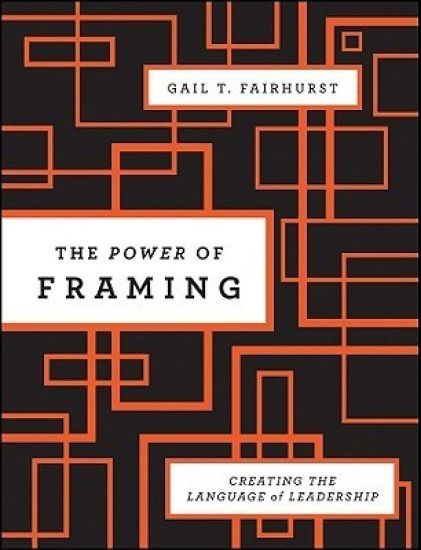
The Power of Framing

The Power of Framing

Gail T. Fairhurst

John Wiley Sons Inc
2010
sidottu
Praise for The Power of Framing "The primary work of leadership involves managing meaning through framing. Fairhurst shows that the way leaders use language to frame people, situations, and events has important consequences for the way individuals make sense of the world and their actions. The Power of Framing is an accessible and inspirational read for leaders who want to shape their organizations in ethically responsible ways." ?J. KEVIN BARGE, professor, Texas A&M University "An ideal book for MBA students and business professionals who are interested in specific tools for constructing leadership in their professional worlds. By focusing on the language toolbox of leadership, the book empowers anyone to construct leadership through talk and interaction." ?JOLANTA ARITZ, associate professor, Center for Management Communication, USC Marshall School of Business "Building on her earlier acclaimed work, and written in a highly accessible style, Fairhurst's thoughtful study provides us with a practical and highly relevant analysis of the power of framing language from a leadership perspective. This is a must-have book." ?DAVID GRANT, professor of organizational studies, University of Sydney "Communication is the most important element of leadership, and framing of the subject and situation is one of the most powerful tools available to leaders. Gail Fairhurst has created the handbook to help leaders do this right. A must-read for anyone in a leadership capacity." ?RICH KILEY, venture capitalist, and retired Procter & Gamble marketing and HR executive "To be an effective global manager, there is nothing more critical than understanding how to frame an issue so that you are effectively communicating and motivating in a culturally sensitive manner. This book will tune you into these issues and show you how to make certain your communication is properly interpreted by your audience." ?OLGA JACOB, general sales manager (Belgium, Netherlands, and Luxembourg), American Airlines
Discursive Leadership

Discursive Leadership

Gail T Fairhurst

SAGE Publications Inc
2007
nidottu
2007 National Communication Association, Organizational Communication Division, "Best Book" AwardCiting the well known adage that there are as many definitions of leadership as there are leadership scholars, Fairhurst acknowledges the contributions which psychologists have made to leadership research, before probing the inevitable limitations to their formidable body of work. Fairhurst's work is also thought provoking on the issue of authenticity on the part of leaders."—HUMAN RELATIONSDiscursive Leadership: In Conversation with Leadership Psychology presents a new, groundbreaking way for scholars and graduate students to examine and explore leadership. Differing from a psychological approach to leadership which tries to get inside the heads of leaders and employees, author Gail Fairhurst focuses on the social or communicative aspects between them. A discursive approach to leadership introduces a host of relatively new ideas and concepts and helps us understand leadership's changing role in organizations. Key Features: Compares and contrasts discursive leadership with leadership psychology: This comparison facilitates a clearer definition of discursive leadership. Presents new ways to study leadership: By treating each discourse concept as a heuristic device and supporting each concept with examples, new ways to study leadership are introduced by focusing on key concepts from the organizational discourse literature. Addresses some key challenges within leadership psychology: Each chapter begins with an ongoing debate in leadership psychology and illustrates how a discursive approach can join that debate. Charimatic leadership, leader-member exchange, authentic leadership are just a few of the examples.Offers reactions from leadership psychologists: Leadership psychologists and other discourse scholars respond to the author's proposed 'conversation' between them broadening the debate and introducing new perspectives. Provides quick reviews and extended examples: The book includes critical summaries at the end of each chapter and easy-to-reference appendices. Intended Audience: This book helps scholars, researchers, and practitioners understand the complexities of leadership as it continues to evolve due to such influences as globalization, technology change, and democratization of the workplace. It is also an excellent text for graduate courses such as Leadership; Rhetoric of Leadership; Interpretive Studies of Organizational Communication; Organizational Communication; and Leadership & Communication in the departments of communication, business & management, psychology, and educational administration.
Discursive Leadership

Discursive Leadership

Gail T Fairhurst

SAGE Publications Inc
2007
sidottu
2007 National Communication Association, Organizational Communication Division, "Best Book" AwardCiting the well known adage that there are as many definitions of leadership as there are leadership scholars, Fairhurst acknowledges the contributions which psychologists have made to leadership research, before probing the inevitable limitations to their formidable body of work. Fairhurst's work is also thought provoking on the issue of authenticity on the part of leaders."—HUMAN RELATIONSDiscursive Leadership: In Conversation with Leadership Psychology presents a new, groundbreaking way for scholars and graduate students to examine and explore leadership. Differing from a psychological approach to leadership which tries to get inside the heads of leaders and employees, author Gail Fairhurst focuses on the social or communicative aspects between them. A discursive approach to leadership introduces a host of relatively new ideas and concepts and helps us understand leadership's changing role in organizations. Key Features: Compares and contrasts discursive leadership with leadership psychology: This comparison facilitates a clearer definition of discursive leadership. Presents new ways to study leadership: By treating each discourse concept as a heuristic device and supporting each concept with examples, new ways to study leadership are introduced by focusing on key concepts from the organizational discourse literature. Addresses some key challenges within leadership psychology: Each chapter begins with an ongoing debate in leadership psychology and illustrates how a discursive approach can join that debate. Charimatic leadership, leader-member exchange, authentic leadership are just a few of the examples.Offers reactions from leadership psychologists: Leadership psychologists and other discourse scholars respond to the author's proposed 'conversation' between them broadening the debate and introducing new perspectives. Provides quick reviews and extended examples: The book includes critical summaries at the end of each chapter and easy-to-reference appendices. Intended Audience: This book helps scholars, researchers, and practitioners understand the complexities of leadership as it continues to evolve due to such influences as globalization, technology change, and democratization of the workplace. It is also an excellent text for graduate courses such as Leadership; Rhetoric of Leadership; Interpretive Studies of Organizational Communication; Organizational Communication; and Leadership & Communication in the departments of communication, business & management, psychology, and educational administration.