Kirjojen hintavertailu. Mukana 12 595 353 kirjaa ja 12 kauppaa.

Kirjailija

Gaute Einevoll

Kirjat ja teokset yhdessä paikassa: 2 kirjaa, julkaisuja vuodelta 2023, suosituimpien joukossa Principles of Computational Modelling in Neuroscience. Vertaile teosten hintoja ja tarkista saatavuus suomalaisista kirjakaupoista.

2 kirjaa

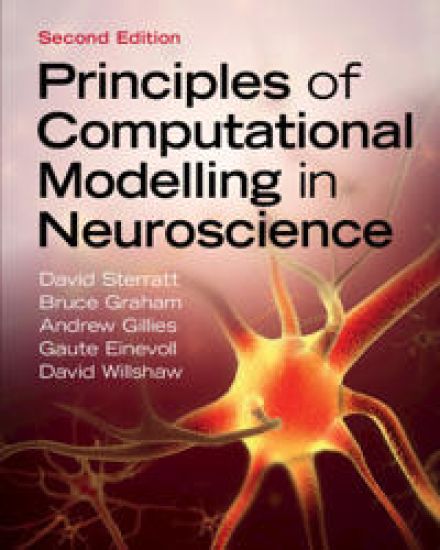
Principles of Computational Modelling in Neuroscience

Principles of Computational Modelling in Neuroscience

David Sterratt; Bruce Graham; Andrew Gillies; Gaute Einevoll; David Willshaw

Cambridge University Press
2023
pokkari
Taking a step-by-step approach to modelling neurons and neural circuitry, this textbook teaches students how to use computational techniques to understand the nervous system at all levels, using case studies throughout to illustrate fundamental principles. Starting with a simple model of a neuron, the authors gradually introduce neuronal morphology, synapses, ion channels and intracellular signalling. This fully updated new edition contains additional examples and case studies on specific modelling techniques, suggestions on different ways to use this book, and new chapters covering plasticity, modelling extracellular influences on brain circuits, modelling experimental measurement processes, and choosing appropriate model structures and their parameters. The online resources offer exercises and simulation code that recreate many of the book's figures, allowing students to practice as they learn. Requiring an elementary background in neuroscience and high-school mathematics, this is an ideal resource for a course on computational neuroscience.
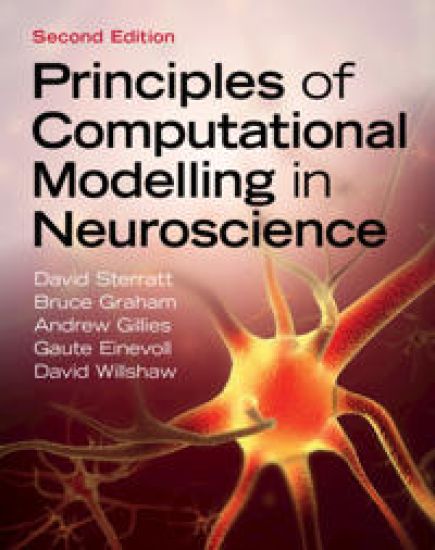
Principles of Computational Modelling in Neuroscience

Principles of Computational Modelling in Neuroscience

David Sterratt; Bruce Graham; Andrew Gillies; Gaute Einevoll; David Willshaw

Cambridge University Press
2023
sidottu
Taking a step-by-step approach to modelling neurons and neural circuitry, this textbook teaches students how to use computational techniques to understand the nervous system at all levels, using case studies throughout to illustrate fundamental principles. Starting with a simple model of a neuron, the authors gradually introduce neuronal morphology, synapses, ion channels and intracellular signalling. This fully updated new edition contains additional examples and case studies on specific modelling techniques, suggestions on different ways to use this book, and new chapters covering plasticity, modelling extracellular influences on brain circuits, modelling experimental measurement processes, and choosing appropriate model structures and their parameters. The online resources offer exercises and simulation code that recreate many of the book's figures, allowing students to practice as they learn. Requiring an elementary background in neuroscience and high-school mathematics, this is an ideal resource for a course on computational neuroscience.