Kirjojen hintavertailu. Mukana 12 300 624 kirjaa ja 12 kauppaa.

Kirjailija

Gavin Poynter

Kirjat ja teokset yhdessä paikassa: 5 kirjaa, julkaisuja vuosilta 2000-2022, suosituimpien joukossa Mega-event Cities: Urban Legacies of Global Sports Events. Vertaile teosten hintoja ja tarkista saatavuus suomalaisista kirjakaupoista.

5 kirjaa

Kirjojen julkaisuhaarukka 2000-2022.

The Political Economy of State Intervention

The Political Economy of State Intervention

Gavin Poynter

TAYLOR FRANCIS LTD
2022
nidottu
Both the exponents and critics of neoliberalism assert the dominance of market forces in western nations. The Political Economy of State Intervention calls this into question. Through a re-examination of state intervention in the USA and Britain over the course of the "long depression" (1970-to date), this book argues that the state has performed an increasingly significant role in conserving capital, propping up an economic and social order that has lost its productive dynamism.The specific forms of capital’s dependency on the state may vary, however the underlying weaknesses of mature western economies have prompted new forms of state intervention narrowly aimed at conserving capital, especially in the wake of the financial crisis. The chapters consider factors which are usually posited as explanations for the long depression such as oil price shocks, domestic conditions and technological innovation. The work argues that the consensus view of neoliberalism has served to underplay the significance of the state’s role in failing to lift this long depression in several ways: it has lent a greater ideological coherence to the policies pursued by successive governments than they deserve; the state has been less subordinate to the market than is usually claimed and more often its maker; and there has been a significant growth in jobs located in the private sector that are funded by public money. The cumulative effect of this is a narrowing of the state’s purpose to conserving capital, a role which has contributed to its loss of authority as an institution that claims to represent society as a whole. It is theorised that this, in turn, has led to the insecurities of the existing political order and the rise of populism. This book will be of great interest to students and scholars of political economy, public policy, political theory, economics and sociology.
The Political Economy of State Intervention
Both the exponents and critics of neoliberalism assert the dominance of market forces in western nations. The Political Economy of State Intervention calls this into question. Through a re-examination of state intervention in the USA and Britain over the course of the "long depression" (1970-to date), this book argues that the state has performed an increasingly significant role in conserving capital, propping up an economic and social order that has lost its productive dynamism.The specific forms of capital’s dependency on the state may vary, however the underlying weaknesses of mature western economies have prompted new forms of state intervention narrowly aimed at conserving capital, especially in the wake of the financial crisis. The chapters consider factors which are usually posited as explanations for the long depression such as oil price shocks, domestic conditions and technological innovation. The work argues that the consensus view of neoliberalism has served to underplay the significance of the state’s role in failing to lift this long depression in several ways: it has lent a greater ideological coherence to the policies pursued by successive governments than they deserve; the state has been less subordinate to the market than is usually claimed and more often its maker; and there has been a significant growth in jobs located in the private sector that are funded by public money. The cumulative effect of this is a narrowing of the state’s purpose to conserving capital, a role which has contributed to its loss of authority as an institution that claims to represent society as a whole. It is theorised that this, in turn, has led to the insecurities of the existing political order and the rise of populism. This book will be of great interest to students and scholars of political economy, public policy, political theory, economics and sociology.
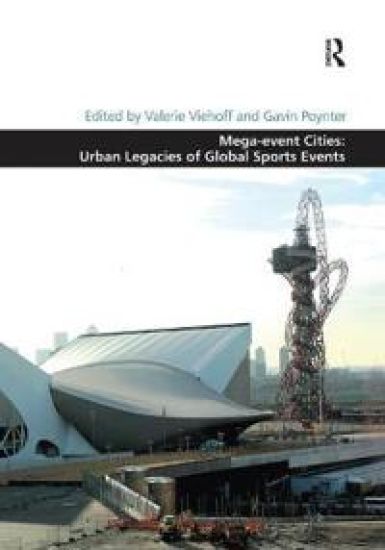
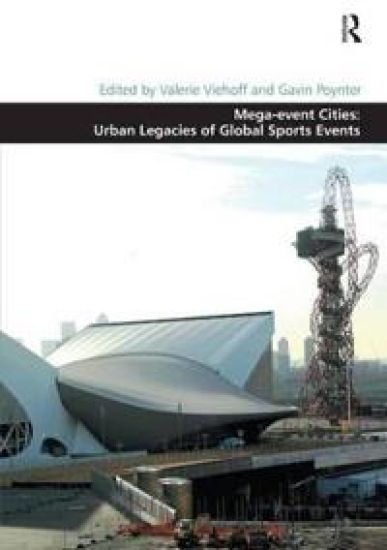
Mega-event Cities: Urban Legacies of Global Sports Events

Mega-event Cities: Urban Legacies of Global Sports Events

Valerie Viehoff; Gavin Poynter

Routledge
2018
nidottu
Mega-events represent an important moment in the life of a city, providing a useful lens through which we may analyse their cultural, social, political and economic development. In the wake of the International Olympic Committee’s (IOC’s) concerns about ’gigantism’ and wider public concerns about rising costs, it was imperative in the C21st to demonstrate the long term benefits that arose for the city and nations from hosting premier sporting events. ’London 2012’ was the first to integrate the concept of legacy from the moment a bid to host the Olympic and Paralympic Games was being considered. London proposed an ambitious programme of urban renewal for East London. Subsequent host city bids have adopted the ’legacy narrative’ and, as this book demonstrates, aligned this to major schemes of urban development and renewal. Bringing together scholars, practitioners and policy makers, this book focuses upon the legacies sought by cities that host major sports events. It analyses how governments, the IOC and others define and measure ’legacy’. It also focuses upon the challenges and opportunities facing future host cities of mega-events, looking at their aspirations and the intended impact upon their domestic and international development. It questions what the global shift in geographical location of mega-events means for sports development and the business of sport, what the attractions are for cities seeking to harness the hosting of a mega-event, and whether there may be longer term consequences for the bidding and hosting major sporting events in the wake of the widespread social unrest that accompanied the preparations in Brazil for hosting the FIFA World Cup (2014) and the summer Olympics (2016) and in Turkey, where there was significant opposition to bid for the 2020 summer Olympiad.
Mega-event Cities: Urban Legacies of Global Sports Events

Mega-event Cities: Urban Legacies of Global Sports Events

Valerie Viehoff; Gavin Poynter

Routledge
2015
sidottu
Mega-events represent an important moment in the life of a city, providing a useful lens through which we may analyse their cultural, social, political and economic development. In the wake of the International Olympic Committee’s (IOC’s) concerns about ’gigantism’ and wider public concerns about rising costs, it was imperative in the C21st to demonstrate the long term benefits that arose for the city and nations from hosting premier sporting events. ’London 2012’ was the first to integrate the concept of legacy from the moment a bid to host the Olympic and Paralympic Games was being considered. London proposed an ambitious programme of urban renewal for East London. Subsequent host city bids have adopted the ’legacy narrative’ and, as this book demonstrates, aligned this to major schemes of urban development and renewal. Bringing together scholars, practitioners and policy makers, this book focuses upon the legacies sought by cities that host major sports events. It analyses how governments, the IOC and others define and measure ’legacy’. It also focuses upon the challenges and opportunities facing future host cities of mega-events, looking at their aspirations and the intended impact upon their domestic and international development. It questions what the global shift in geographical location of mega-events means for sports development and the business of sport, what the attractions are for cities seeking to harness the hosting of a mega-event, and whether there may be longer term consequences for the bidding and hosting major sporting events in the wake of the widespread social unrest that accompanied the preparations in Brazil for hosting the FIFA World Cup (2014) and the summer Olympics (2016) and in Turkey, where there was significant opposition to bid for the 2020 summer Olympiad.
Restructuring in the Service Industries
Restructuring in the Service Industries: Management Reform and Workplace Relations in the UK Service Sector. An examination of the complex process of transformation in work organization, technology and labour and product markets that has occurred. The analysis moves between a broad appreciation of structural developments within the economies of the advanced industrial nations, and an in-depth study of enterprise and workplace. It is divided into four parts. The first part reviews the theoretical issues and debates raised by the growth of service industries and employment in the advanced industrial countries. Parts Two and Three are case studies of two service sectors - financial services and the National Health Service. Part Four relates the evidence to a broader appreciation of developments in management/workforce relations occurring in the service sector.