Kirjojen hintavertailu. Mukana 12 203 508 kirjaa ja 12 kauppaa.

Kirjailija

Gaymon Bennett

Kirjat ja teokset yhdessä paikassa: 6 kirjaa, julkaisuja vuosilta 2008-2016, suosituimpien joukossa The Ethics of Biotechnology. Vertaile teosten hintoja ja tarkista saatavuus suomalaisista kirjakaupoista.

6 kirjaa

Kirjojen julkaisuhaarukka 2008-2016.

The Ethics of Biotechnology

The Ethics of Biotechnology

Gaymon Bennett; Fred Hutchinson

Routledge
2016
sidottu
The essays collected in this volume provide students of ethics with essential tools for making sense of emerging biotechnical capacities and the turbulent power relations these capacities are bringing into the world. Unlike previous reference works in bioethics, which focus on specific domains of human activity (such as genetic research or biomedicine), this volume directs students’ attention to the underlying cultural and institutional forces that shape how biotechnologists approach the world, and teaches students how to weigh the ethical significance of these forces. This innovative approach to the ethics of biotechnology, detailed in the volume’s introduction, equips students to track the dynamic interplay of biology, digital technology and the high-tech economy which is remaking the living world today and the human relation to it.

Technicians of Human Dignity

Technicians of Human Dignity

Gaymon Bennett

FORDHAM UNIVERSITY PRESS
2015
sidottu
Technicians of Human Dignity traces the extraordinary rise of human dignity as a defining concern of religious, political, and bioethical institutions over the last half century and offers original insight into how human dignity has become threatened by its own success. The global expansion of dignitarian politics has left dignity without a stable set of meanings or referents, unsettling contemporary economies of life and power. Engaging anthropology, theology, and bioethics, Bennett grapples with contemporary efforts to mobilize human dignity as a counter-response to the biopolitics of the human body, and the breakdowns this has generated. To do this, he investigates how actors in pivotal institutions —the Vatican, the United Nations, U.S. Federal Bioethics—reconceived human dignity as the bearer of intrinsic worth, only to become frustrated by the Sisyphean struggle of turning its conceptions into practice.
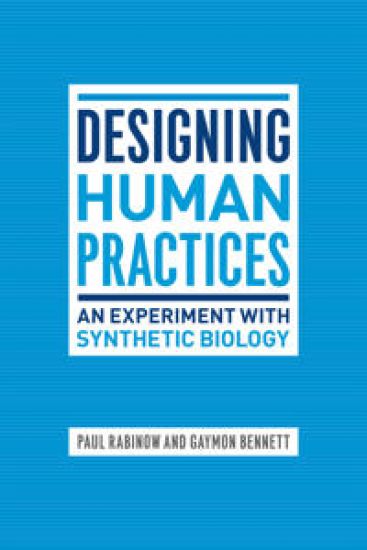
Designing Human Practices

Designing Human Practices

Paul Rabinow; Gaymon Bennett

University of Chicago Press
2012
nidottu
In 2006, anthropologists Paul Rabinow and Gaymon Bennett set out to rethink the role that human sciences play in biological research, creating the Human Practices division of the Synthetic Biology Engineering Research Center - a facility established to create design standards for the engineering of new enzymes, genetic circuits, cells, and other biological entities - to formulate a new approach to the ethical, security, and philosophical considerations of controversial biological work. They sought not simply to act as watchdogs but to integrate the biosciences with their own discipline in a more fundamentally interdependent way, inventing a new, dynamic, and experimental anthropology that they could bring to bear on the center's biological research. "Designing Human Practices" is a detailed account of this anthropological experiment and, ultimately, its rejection. It provides new insights into the possibilities and limitations of collaboration, and diagnoses the micropolitics which effectively constrained the potential for mutual scientific flourishing. Synthesizing multiple disciplines, including biology, genetics, anthropology, and philosophy, alongside a thorough examination of funding entities such as the National Science Foundation, "Designing Human Practices" pushes the social study of science into new and provocative territory, utilizing a real-world experience as a springboard for timely reflections on how the human and life sciences can and should transform each other.
Designing Human Practices

Designing Human Practices

Paul Rabinow; Gaymon Bennett

University of Chicago Press
2012
sidottu
In 2006, anthropologists Paul Rabinow and Gaymon Bennett set out to rethink the role that human sciences play in biological research, creating the Human Practices division of the Synthetic Biology Engineering Research Center - a facility established to create design standards for the engineering of new enzymes, genetic circuits, cells, and other biological entities - to formulate a new approach to the ethical, security, and philosophical considerations of controversial biological work. They sought not simply to act as watchdogs but to integrate the biosciences with their own discipline in a more fundamentally interdependent way, inventing a new, dynamic, and experimental anthropology that they could bring to bear on the center's biological research. "Designing Human Practices" is a detailed account of this anthropological experiment and, ultimately, its rejection. It provides new insights into the possibilities and limitations of collaboration, and diagnoses the micropolitics which effectively constrained the potential for mutual scientific flourishing. Synthesizing multiple disciplines, including biology, genetics, anthropology, and philosophy, alongside a thorough examination of funding entities such as the National Science Foundation, "Designing Human Practices" pushes the social study of science into new and provocative territory, utilizing a real-world experience as a springboard for timely reflections on how the human and life sciences can and should transform each other.
Sacred Cells?

Sacred Cells?

Ted Peters; Karen Lebacqz; Gaymon Bennett

Rowman Littlefield Publishers
2010
nidottu
Unknown to most outside observers, from the earliest days of embryonic stem cell research through today's latest developments, Christian theologians have been actively involved with leading laboratory research scientists to determine the ethical implications of stem cell research. And contrary to popular expectation, these Christians have been courageously advocating in favor of research. Three of these dynamic theologians tell their story in Sacred Cells? Why Christians Should Support Stem Cell Research. Sacred Cells? takes readers through the twists and turns of stem cell development, providing a brief history of the science and an overview of the competing ethical frameworks people use in approaching the heated debate. Each new scientific advance, from the cloning of Dolly the sheep to the use of engineered cells in humans, had to be carefully considered before proceeding. Rejecting the widely held belief that the ethics of stem cell research turn on the moral status of the embryo, the authors carefully weigh a diversity of ethical problems. Ultimately, they embrace stem cell research and the prospect of increased health and well being it offers.
Sacred Cells?

Sacred Cells?

Ted Peters; Karen Lebacqz; Gaymon Bennett

Rowman Littlefield Publishers
2008
sidottu
Unknown to most outside observers, from the earliest days of embryonic stem cell research through today's latest developments, Christian theologians have been actively involved with leading laboratory research scientists to determine the ethical implications of stem cell research. And contrary to popular expectation, these Christians have been courageously advocating in favor of research. Three of these dynamic theologians tell their story in Sacred Cells? Why Christians Should Support Stem Cell Research. Sacred Cells? takes readers through the twists and turns of stem cell development, providing a brief history of the science and an overview of the competing ethical frameworks people use in approaching the heated debate. Each new scientific advance, from the cloning of Dolly the sheep to the use of engineered cells in humans, had to be carefully considered before proceeding. Rejecting the widely held belief that the ethics of stem cell research turn on the moral status of the embryo, the authors carefully weigh a diversity of ethical problems. Ultimately, they embrace stem cell research and the prospect of increased health and well being it offers.