Kirjojen hintavertailu. Mukana 12 390 323 kirjaa ja 12 kauppaa.
Kirjailija
Gene Allen Smith
Kirjat ja teokset yhdessä paikassa: 6 kirjaa, julkaisuja vuosilta 2019-2026, suosituimpien joukossa A Fortified Sea. Vertaile teosten hintoja ja tarkista saatavuus suomalaisista kirjakaupoista.
Mónica Cejudo Collera; Pedro Cruz Freire; María Mercedes Fernández Martín; Manuel Gámez Casado; Aaron Graham; Francisco Javier Herrera García; Nuria Hinarejos Martín; Ignacio J. López-Hernández; Pedro Luengo; Alfredo J. Morales; José Miguel Morales Folguera; Juan Miguel Muñoz Corbalán; Jesús María Ruiz Carrasco; Germán Segura García; Gene Allen Smith; Christopher K. Waters
A multidisciplinary examination of the role of military forts in the Caribbean during the age of European colonial expansionA Fortified Sea illuminates the key role of military forts in the greater Caribbean during the long eighteenth century. The historical Caribbean, with its multiple contested boundaries at the periphery of European western expansion, typically has been analyzed as part of an empire. European powers, including Spain, the Netherlands, England, and Denmark, carved up the Caribbean Sea into a cultural patchwork. These varied cultural contexts were especially evident during regional and national conflicts throughout the eighteenth century and prompted the construction of more fortifications to protect imperial interests. The emergence of Anglo-American colonies during the eighteenth century and later the United States gradually altered previous geopolitical balances, redefining the cultural and geopolitical boundaries of the region. This collection of essays incorporates several historiographical traditions—from Spanish to American—all portraying the borderland as a breakthrough contested cultural, social, economic, and military boundary. A multinational roster of contributors approaches topics through a war studies lens as well as architecturally and historically, enriching a usually monothematic view. As well, discussion of cultural management of the historical remains of forts shows local communities trying to preserve and interpret the role of forts in society. Part I defines the training of military engineers in Spain. Part II engages with British defensive military plans and settlements in the Caribbean and shows how the British dealt with the rhetorical image of the empire. Part III clarifies the building processes of fortifications in Santiago de Cuba, Cartagena de Indias, Havana, and Veracruz, among other places. Copious period maps complement the prodigious research. The book will appeal to readers interested in the history of the Caribbean, military history, and European imperial expansion.
Mónica Cejudo Collera; Pedro Cruz Freire; María Mercedes Fernández Martín; Manuel Gámez Casado; Aaron Graham; Francisco Javier Herrera García; Nuria Hinarejos Martín; Ignacio J. López-Hernández; Pedro Luengo; Alfredo J. Morales; José Miguel Morales Folguera; Juan Miguel Muñoz Corbalán; Jesús María Ruiz Carrasco; Germán Segura García; Gene Allen Smith; Christopher K. Waters
A multidisciplinary examination of the role of military forts in the Caribbean during the age of European colonial expansionA Fortified Sea illuminates the key role of military forts in the greater Caribbean during the long eighteenth century. The historical Caribbean, with its multiple contested boundaries at the periphery of European western expansion, typically has been analyzed as part of an empire. European powers, including Spain, the Netherlands, England, and Denmark, carved up the Caribbean Sea into a cultural patchwork. These varied cultural contexts were especially evident during regional and national conflicts throughout the eighteenth century and prompted the construction of more fortifications to protect imperial interests. The emergence of Anglo-American colonies during the eighteenth century and later the United States gradually altered previous geopolitical balances, redefining the cultural and geopolitical boundaries of the region. This collection of essays incorporates several historiographical traditions—from Spanish to American—all portraying the borderland as a breakthrough contested cultural, social, economic, and military boundary. A multinational roster of contributors approaches topics through a war studies lens as well as architecturally and historically, enriching a usually monothematic view. As well, discussion of cultural management of the historical remains of forts shows local communities trying to preserve and interpret the role of forts in society. Part I defines the training of military engineers in Spain. Part II engages with British defensive military plans and settlements in the Caribbean and shows how the British dealt with the rhetorical image of the empire. Part III clarifies the building processes of fortifications in Santiago de Cuba, Cartagena de Indias, Havana, and Veracruz, among other places. Copious period maps complement the prodigious research. The book will appeal to readers interested in the history of the Caribbean, military history, and European imperial expansion.Contributors MÓnica Cejudo Collera / Pedro Cruz Freire / MarÍa Mercedes FernÁndez MartÍn / Aaron Graham / Manuel GÁmez Casado / Francisco Javier Herrera GarcÍa / Nuria Hinarejos MartÍn / Pedro Luengo / Ignacio J. LÓpez-HernÁndez / JosÉ Miguel Morales Folguera / Alfredo J. Morales / Juan Miguel MuÑoz CorbalÁn / JesÚs Maria Ruiz Carrasco / GermÁn Segura GarcÍa / Gene Allen Smith / Christopher K. Waters
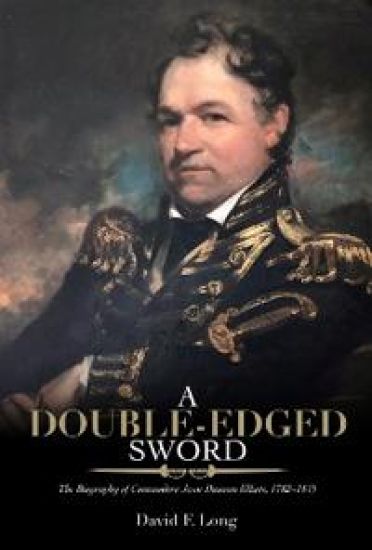
An important reassessment of Commodore Jesse Duncan Elliott, highlighting his controversial actions as well as his significant contributions to the development of the American Navy, making it a compelling read for history buffs interested in naval history and diplomacy.
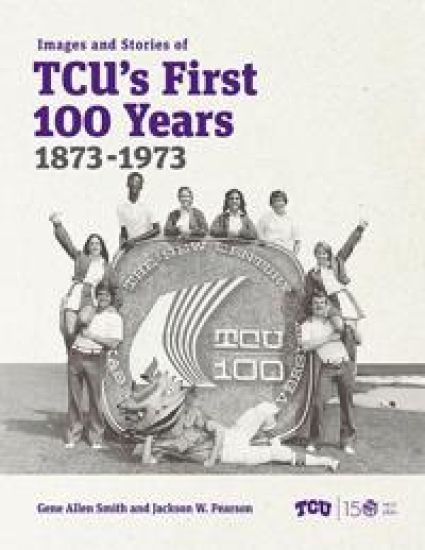
Did you know there was a plane crash on the TCU campus? Or that TCU once had an airport? Were you aware that TCU began integrating during World War II? Discover these and other interesting tidbits in Images and Stories of TCU’s First 100 Years, 1873–1973, which offers a visual and anecdotal history of TCU’s evolution. Images and Stories examines the university’s evolution as it moved from location to location, uncovering stories about TCU’s students and faculty and following the growth and expansion, changes and challenges, and struggles and successes that led to the TCU Centennial 1973. Some of the images and stories are well known, but many will come as a surprise. Enjoy the ride!
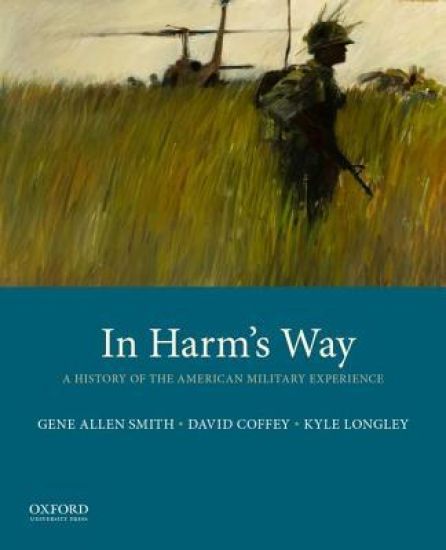
In Harm's Way: A History of the American Military Experience offers a fast-paced, highly readable synthesis of modern scholarship on every era of the nation's experience in war. Authors Gene Allen Smith, David Coffey, and Kyle Longley offer a comprehensive, accurate, and nuanced account of the subject. Covering air, land, and sea power, the book provides a narrative synthesis and analysis of America's wars and military policies from colonial times to the twenty-first century. Each chapter discusses a different time period, exploring the significant developments that changed military thought during that period and how military operations were influenced by strategic design, tactical capability, and available technology. "Issues in Military History" sections in each chapter analyze important controversies and debates in American military history, like the role of race in the Mexican War, whether the American contribution in World War I was decisive, and the dropping of the atomic bomb. In Harm's Way covers political and diplomatic challenges, social and economic changes, philosophical and ideological debates, and technological advances, but--above all--it focuses on the experiences of the American people at war.