Kirjojen hintavertailu. Mukana 12 595 353 kirjaa ja 12 kauppaa.

Kirjailija

Geoffrey M. White

Kirjat ja teokset yhdessä paikassa: 4 kirjaa, julkaisuja vuosilta 1991-2016, suosituimpien joukossa Memorializing Pearl Harbor. Vertaile teosten hintoja ja tarkista saatavuus suomalaisista kirjakaupoista.

4 kirjaa

Kirjojen julkaisuhaarukka 1991-2016.

Memorializing Pearl Harbor

Memorializing Pearl Harbor

Geoffrey M. White

Duke University Press
2016
pokkari
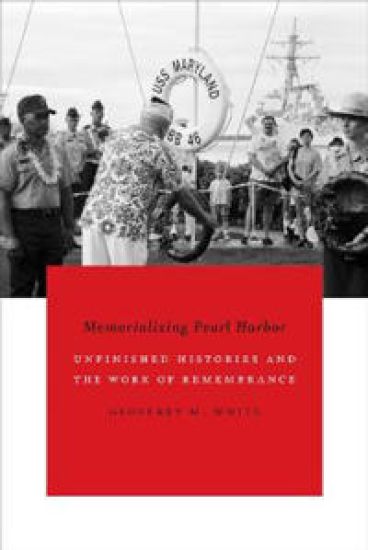
Memorializing Pearl Harbor examines the challenge of representing history at the site of the attack that brought America into World War II. Analyzing moments in which history is re-presented-in commemorative events, documentary films, museum design, and educational programming-Geoffrey M. White shows that the memorial to the Pearl Harbor bombing is not a fixed or singular institution. Rather, it has become a site in which many histories are performed, validated, and challenged. In addition to valorizing military service and sacrifice, the memorial has become a place where Japanese veterans have come to seek recognition and reconciliation, where Japanese Americans have sought to correct narratives of racial mistrust, and where Native Hawaiians have challenged their ongoing erasure from their own land. Drawing on extended ethnographic fieldwork, White maps these struggles onto larger controversies about public history, museum practices, and national memory.
Memorializing Pearl Harbor

Memorializing Pearl Harbor

Geoffrey M. White

Duke University Press
2016
sidottu
Memorializing Pearl Harbor examines the challenge of representing history at the site of the attack that brought America into World War II. Analyzing moments in which history is re-presented-in commemorative events, documentary films, museum design, and educational programming-Geoffrey M. White shows that the memorial to the Pearl Harbor bombing is not a fixed or singular institution. Rather, it has become a site in which many histories are performed, validated, and challenged. In addition to valorizing military service and sacrifice, the memorial has become a place where Japanese veterans have come to seek recognition and reconciliation, where Japanese Americans have sought to correct narratives of racial mistrust, and where Native Hawaiians have challenged their ongoing erasure from their own land. Drawing on extended ethnographic fieldwork, White maps these struggles onto larger controversies about public history, museum practices, and national memory.
Identity through History

Identity through History

Geoffrey M. White

Cambridge University Press
2003
pokkari
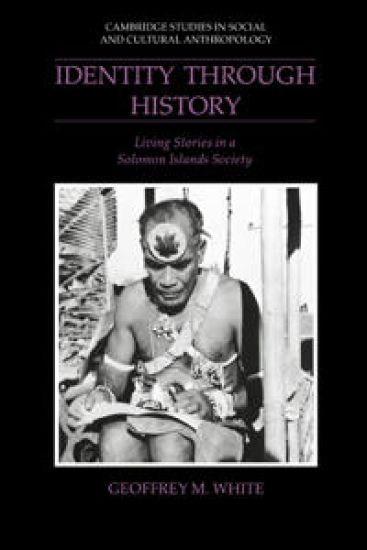
For people who live in small communities transformed by powerful outside forces, narrative accounts of culture contact and change create images of collective identity through the idiom of shared history. How may we understand the processes that make such accounts compelling for those who tell them? Why do some narratives acquire a kind of mythic status as they are told and retold in a variety of contexts and genres? Identity Through History attempts to explain how identity formation developed among the people of Santa Isabel in the Solomon Islands who were victimised by raiding headhunters in the nineteenth century, and then embraced Christianity around the turn of the century. Making innovative use of work in psychological and historical anthropology, Geoffrey White shows how these significant events were crucial to the community’s view of itself in shifting social and political circumstances.
Identity through History

Identity through History

Geoffrey M. White

Cambridge University Press
1991
sidottu
For people who live in small communities transformed by powerful outside forces, narrative accounts of culture contact and change create images of collective identity through the idiom of shared history. How may we understand the processes that make such accounts compelling for those who tell them? Why do some narratives acquire a kind of mythic status as they are told and retold in a variety of contexts and genres? Identity Through History attempts to explain how identity formation developed among the people of Santa Isabel in the Solomon Islands who were victimised by raiding headhunters in the nineteenth century, and then embraced Christianity around the turn of the century. Making innovative use of work in psychological and historical anthropology, Geoffrey White shows how these significant events were crucial to the community’s view of itself in shifting social and political circumstances.