Kirjojen hintavertailu. Mukana 12 390 323 kirjaa ja 12 kauppaa.

Kirjailija

Geoffrey Simmins

Kirjat ja teokset yhdessä paikassa: 4 kirjaa, julkaisuja vuosilta 1997-2013, suosituimpien joukossa John C. Parkin, Archives and Photography. Vertaile teosten hintoja ja tarkista saatavuus suomalaisista kirjakaupoista.

4 kirjaa

Kirjojen julkaisuhaarukka 1997-2013.

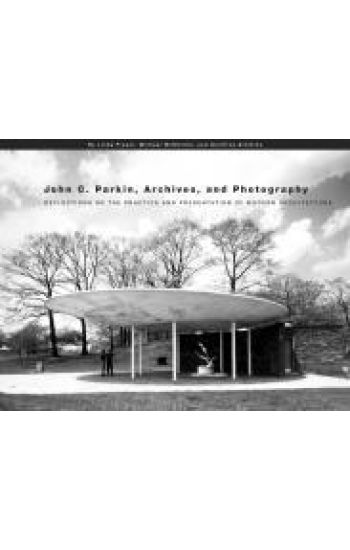
John C. Parkin, Archives and Photography

John C. Parkin, Archives and Photography

Linda Fraser; Michael McMordie; Geoffrey Simmins

University of Calgary Press
2013
nidottu
Architectural practice in post-World War II Canada brought substantial change to the face of the Canadian built environment, led by the contribution of John C. Parkin. As senior partner at the Toronto-based architectural firm John B. Parkin Associates (no relation) from 1947 to the 1970s, Parkin oversaw the creation of a large number of modernist projects, including hospitals, airports, schools, shopping malls, and factories, and received national recognition for his contributions.This richly illustrated book includes an interview with John C. Parkin and essays that examine the incorporation of art in built architecture, the influence of architectural photography in defining Modern architecture to a Canadian public, the importance of architectural archives, and the corporate structure of a large, highly successful Canadian architectural firm.
Spirit Matters

Spirit Matters

Geoffrey Simmins

University of Calgary Press
2009
nidottu
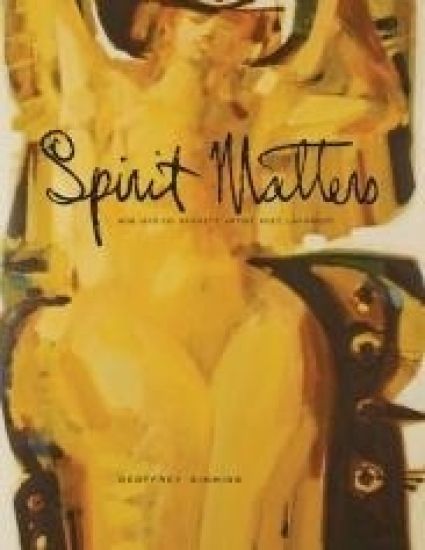
Ronald Spickett is a Calgary-based artist, poet, and Zen Buddhist lay priest. During his long career, he also taught studio art, both at the Alberta College of Art and Design and at the University of Calgary.Today, Ronald Spickett, also known by his Buddhist name of Gyo-Zo, is best known for a series of ambitious paintings he executed during the 1960s, paintings with Western themes such as posses and riders. However, the scope of Spickett's work proved to be much more diverse and includes genre paintings, landscapes, non-representational paintings, sculptures, and paintings with religious and spiritual themes.The artist's work, as Simmins' study shows, is not easily pigeon-holed; Spickett is more than a Western artist, more than a Buddhist artist, more than simply the sum of his paintings. Rather, Simmins argues, he is an ""ideas-based"" artist whose work reveals complexities and undercurrents that link him with the prevailing artistic currents of his times, yet also testify to his originality and unique style. Simmins was granted complete access to the artist's personal and professional papers and interviewed him on numerous occasions.Thus the artist's own statements on his life and work make an invaluable contribution to Spirit Matters: Ron (Gyo-zo) Spickett, Artist, Poet, Priest, and are considered alongside critical writings, broader studies in Canadian art history, and still larger currents in Canadian artistic and intellectual life.
Fred Cumberland

Fred Cumberland

Geoffrey Simmins

University of Toronto Press
1997
sidottu
In the first comprehensive study of Frederic William Cumberland (1820-1881), Geoffrey Simmins traces Cumberland's career as architect, railway manager, and politician, providing a richly detailed history and analysis of his contribution to Toronto's urban landscape. The architect of such prominent buildings as the University of Toronto's University College, Osgoode Hall, and St James's Cathedral, Cumberland was devoted to building the Victorian dream - optimistic and materialistic in its outlook, yet also spiritual in its basis. His diverse interests and accomplishments make him an important figure in Canadian architecture and in Victorian studies more generally. Of modest origins, but fuelled by ambition and talent, Cumberland emigrated from England seeking new opportunities. Favourable family connections provided him with an introduction to leading members of Toronto society, and he and his wife, Wilmot, formed long-lasting associations with such prominent families as the Ridouts and the Gzowskis. Drawing on letters and other archival materials, Simmins shows Cumberland to have been a witty, intelligent man, an acerbic social critic, a loving father and husband, and a respected businessman and politician who became a confidant of Sir John A. Macdonald. Through the mists of the Victorian past, a powerful and energetic figure emerges, a man of vision, tenacity, and commitment. The book is divided into three parts. Part One establishes the context of Cumberland's life and times. Part Two is devoted to examining his architectural career. Part Three consists of a catalogue raisonnT of all of Cumberland's architectural designs.