Kirjojen hintavertailu. Mukana 12 595 353 kirjaa ja 12 kauppaa.

Kirjailija

George F. Koob

Kirjat ja teokset yhdessä paikassa: 9 kirjaa, julkaisuja vuosilta 2005-2025, suosituimpien joukossa Neurobiological Mechanisms of Opiate Withdrawal. Vertaile teosten hintoja ja tarkista saatavuus suomalaisista kirjakaupoista.

9 kirjaa

Kirjojen julkaisuhaarukka 2005-2025.

Cannabis

Cannabis

George F. Koob; Michael A. Arends; Mandy L McCracken; Michel Le Moal

ELSEVIER SCIENCE PUBLISHING CO INC
2025
nidottu
Cannabis, Volume Five in the Neurobiology of Addiction series, explores the molecular and cellular systems in the brain that are responsible for both nicotine and marijuana addiction. The book includes thorough descriptions of the physiological effects and behavioral effects of nicotine and marijuana addiction. The authors clearly define the neurobiological effects into three distinct steps: Binge/Intoxication Stage, Withdrawal/Negative Affect Stage, and finally, the Preoccupation/Anticipation Stage.
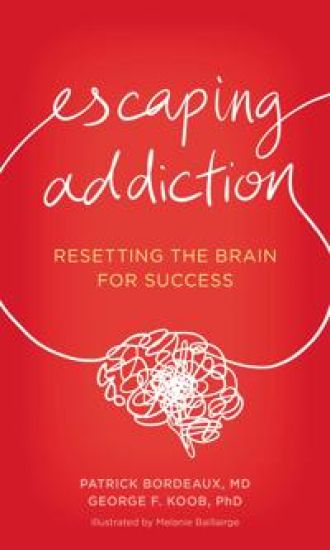
Escaping Addiction

Escaping Addiction

Patrick Bordeaux; George F. Koob

BLOOMSBURY PUBLISHING PLC
2023
sidottu
Presents a variety of effective tools to break the cycle of addiction.Addiction is a worldwide curse that seems to be growing in seriousness on a yearly basis. While to the general public addiction may seem almost inescapable, the truth is that there are solutions to overcoming the various addictions, though to date they seem more elusive than attainable. The goal of Escaping Addiction is to highlight the variety of causes of addiction alongside an array of useful tools anyone can use to break the cycle of addiction, whether it’s to alcohol, drugs, food, or video games. The seeds of addictive behavior are often planted in childhood then fed to grow over years of the input and reward cycle. Detaching the rewards from the addictive input is key to breaking the habits that keep us addicted. Here, the authors present the variety of treatments – from medications to therapeutic approaches – that can help. Offering a better understanding of the mechanisms of addiction, this book can help anyone struggling with addiction to unravel it in their own lives.
Opioids

Opioids

George F. Koob; Michael A. Arends; Mandy L McCracken; Michel Le Moal

Academic Press Inc
2023
nidottu
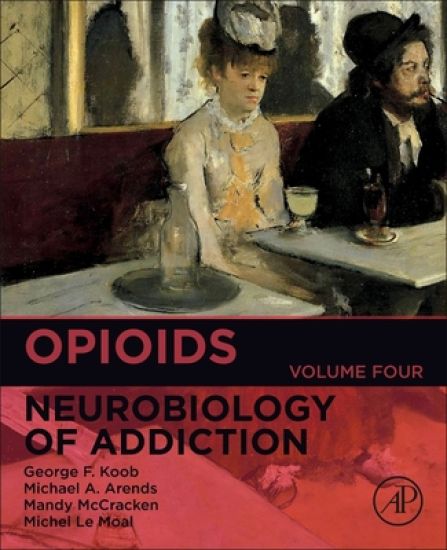
A current survey and synthesis of the most important findings in our understanding of the neurobiological mechanisms of addiction is detailed in our Neurobiology of Addiction series, each volume addressing a specific area of addiction. Opioids, Volume 4 in the series, explores the molecular, cellular and systems in the brain responsible for opioid addiction using the heuristic three-stage cycle framework of binge/intoxication, withdrawal/negative affect, and preoccupation/anticipation.
Alcohol

Alcohol

George F. Koob; Michael A. Arends; Mandy L McCracken; Michel Le Moal

Academic Press Inc
2021
nidottu
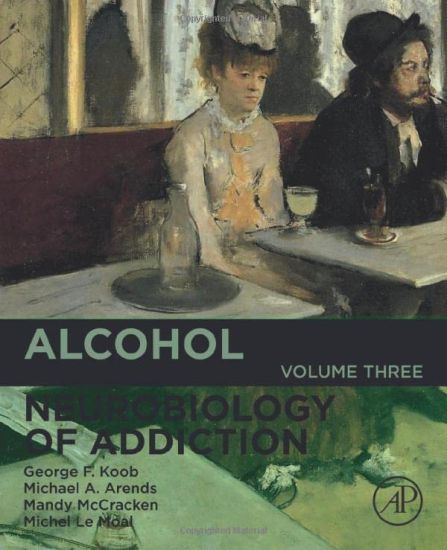
A current survey and synthesis of the most important findings in our understanding of the neurobiological mechanisms of addiction is detailed in our Neurobiology of Addiction series, each volume addressing a specific area of addiction. ALCOHOL, Volume 3 in the series, explores the molecular, cellular, and neurocircuitry systems in the brain responsible for alcohol addiction using the heuristic three-stage cycle framework of binge/intoxication, withdrawal/negative affect, and preoccupation/anticipation.
Psychostimulants

Psychostimulants

George F. Koob; Michael A. Arends; Mandy L McCracken; Michel Le Moal

Academic Press Inc
2020
nidottu
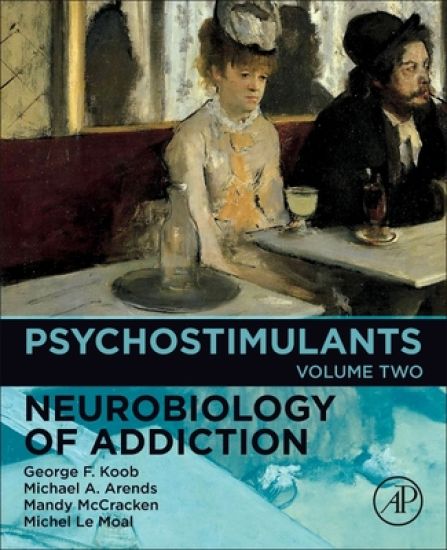
A current survey and synthesis of the most important findings in our understanding of the neurobiological mechanisms of addiction are detailed in our Neurobiology of Addiction series, each volume addressing a specific area of addiction. Psychostimulants, Volume 2 in the series, explores the molecular and cellular systems in the brain responsible for psychostimulant addiction, including both direct/indirect sympathomimetics and nonsympathomimetics. This volume introduces the readers to the history of psychostimulant use. The authors clearly differentiate the neurobiological effects into three distinct stages of the addiction cycle: binge/intoxication, withdrawal/negative affect, and preoccupation/anticipation.
Introduction to Addiction

Introduction to Addiction

George F. Koob; Michael A. Arends; Mandy L McCracken; Michel Le Moal

Academic Press Inc
2019
nidottu
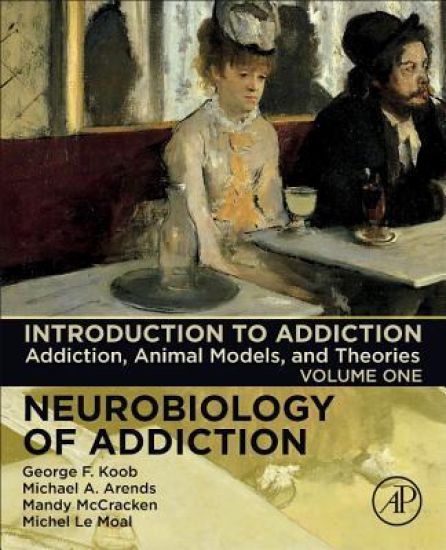
Introduction to Addiction, Volume One in the series, introduces the reader to the study of neurobiology of addiction by clearly defining addiction and its neuroadaptational views. This volume includes thorough descriptions of the various animal models applicable to the study of addiction, including Animal Models of the Binge-Intoxication Stage of the Addiction Cycle and Animal Models of Vulnerability to Addiction. The book's authors also include a section on numerous neurobiological theories that aid in the understanding of addiction, including dopamine, prefrontal cortex and relapse.
Drugs, Addiction, and the Brain

Drugs, Addiction, and the Brain

George F. Koob; Michael A. Arends; Michel Le Moal

Academic Press Inc
2014
sidottu
Drugs, Addiction, and the Brain explores the molecular, cellular, and neurocircuitry systems in the brain that are responsible for drug addiction. Common neurobiological elements are emphasized that provide novel insights into how the brain mediates the acute rewarding effects of drugs of abuse and how it changes during the transition from initial drug use to compulsive drug use and addiction. The book provides a detailed overview of the pathophysiology of the disease. The information provided will be useful for neuroscientists in the field of addiction, drug abuse treatment providers, and undergraduate and postgraduate students who are interested in learning the diverse effects of drugs of abuse on the brain.
Neurobiological Mechanisms of Opiate Withdrawal

Neurobiological Mechanisms of Opiate Withdrawal

Rafael Maldonado; Luis Stinus; George F. Koob

Springer-Verlag Berlin and Heidelberg GmbH Co. K
2013
nidottu
Some general aspects of opiate dependence are described in a first section including a brief historical description and an explanation of the different models currently used to investigate opiate dependence. The neurobiological bases of opiate withdrawal are detailed in a second section, which particularly emphasizes the neurophysiological adaptative changes, the processes of homologous and heterologous regulation, and the role played by different brain structures and several endogenous peptides acting as antiopiates. The last part reports several basic aspects more directly related to the clinical perspectives of opiate dependence, such as the new expectations in the treatment of opiate withdrawal or the relationships between sensitization, tolerance and withdrawal.
Neurobiology of Addiction

Neurobiology of Addiction

George F. Koob; Michel Le Moal

Academic Press Inc
2005
sidottu
Neurobiology of Addiction is conceived as a current survey and synthesis of the most important findings in our understanding of the neurobiological mechanisms of addiction over the past 50 years. The book includes a scholarly introduction, thorough descriptions of animal models of addiction, and separate chapters on the neurobiological mechanisms of addiction for psychostimulants, opioids, alcohol, nicotine and cannabinoids. Key information is provided about the history, sources, and pharmacokinetics and psychopathology of addiction of each drug class, as well as the behavioral and neurobiological mechanism of action for each drug class at the molecular, cellular and neurocircuitry level of analysis. A chapter on neuroimaging and drug addiction provides a synthesis of exciting new data from neuroimaging in human addicts — a unique perspective unavailable from animal studies. The final chapters explore theories of addiction at the neurobiological and neuroadaptational level both from a historical and integrative perspective. The book incorporates diverse finding with an emphasis on integration and synthesis rather than discrepancies or differences in the literature.