Kirjailija
George Q. Flynn
Kirjat ja teokset yhdessä paikassa: 6 kirjaa, julkaisuja vuosilta 1976-2013, suosituimpien joukossa Conscription and Democracy. Vertaile teosten hintoja ja tarkista saatavuus suomalaisista kirjakaupoista.
6 kirjaa
Kirjojen julkaisuhaarukka 1976-2013.

Conspiracy in the Crescent City
George Q. Flynn
Createspace Independent Publishing Platform
2012
nidottu

Finding the manpower to defend democracy has been a recurring problem. Russell Weigley writes: The historic preoccupation of the Army's thought in peacetime has been the manpower question: how, in an unmilitary nation, to muster adequate numbers of capable soldiers quickly should war occur. When the nature of modern warfare made an all-volunteer army inadequate, the major Western democracies confronted the dilemma of involuntary military service in a free society. The core of this manuscript concerns methods by which France, Great Britain, and the United States solved the problem and why some solutions were more lasting and effective than others. Flynn challenges conventional wisdom that suggests that conscription was inefficient and that it promoted inequality of sacrifice.Sharing similar but not identical diplomatic outlooks, the three countries discussed here were allies in world wars and in the Cold War, and they also confronted the problem of using conscripts to defend colonial interests in an age of decolonization. These societies rest upon democratic principles, and operating a draft in a democracy raises several unique problems. A particular tension develops as a result of adopting forced military service in a polity based on concepts of individual rights and freedoms. Despite the protest and inconsistencies, the criticism and waste, Flynn reveals that conscription served the three Western democracies well in an historical context, proving effective in gathering fighting men and allowing a flexibility to cope and change as problems arose.
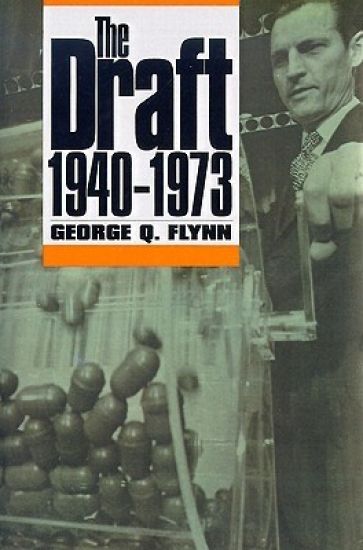
Individual liberty is ingrained in American culture. Yet, in contrast to this cherished ideal, American men were inducted into military service under a system that flourished for more than twenty years before its rationalization was seriously questioned by more than a small minority of citizens.Analyzing this paradox, George Flynn provides the first comprehensive look at an institution that managed to sustain political and public favor through two wars before dying out under a barrage of protests during a third. Placing the American draft within a historical context, he shows how social and political considerations determined the character of conscription in the United States. The draft developed as it did, he argues, not mainly because of military needs or strategy, but because of political decisions initiated by civilians with nonmilitary agendas. Explaining why the draft remained relatively immune to political criticism prior to the Vietnam conflict, Flynn chronicles the draft's military and strategic successes and failures in America's mid-century wars. He shows how major institutions and lobbies representing science, education, and various professions and religions influenced it and how, ultimately and ironically, the selective character of the draft eventually made the system inequitable and helped cause its downfall.Challenging the assertion that centralization of state power has been a constant characteristic of twentieth-century America, Flynn reveals how local interests were frequently at odds with national interests and that often the local powers prevailed. Thus, he argues, the operation of Selective Service helped curb centralization and assured the continued power and influence of localism.A complex and volatile issue in America, the draft has been a perennial concern for our presidents and military leaders in their quest for military preparedness and mobilization. Tying military issues to the broader history of state and society, this book examines a continuing problem of the modern state how to find enough of the right individuals to shoulder defense responsibilities.