Kirjojen hintavertailu. Mukana 12 502 487 kirjaa ja 12 kauppaa.

Kirjailija

Georgina Neophytou

Kirjat ja teokset yhdessä paikassa: 2 kirjaa, julkaisuja vuodelta 2005, suosituimpien joukossa The Secret Cemetery. Vertaile teosten hintoja ja tarkista saatavuus suomalaisista kirjakaupoista.

2 kirjaa

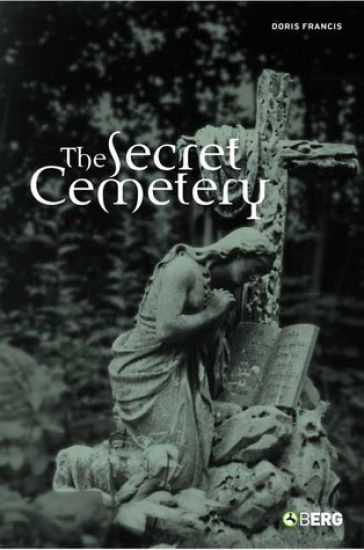
The Secret Cemetery

The Secret Cemetery

Doris Francis; Leonie Kellaher; Georgina Neophytou

Berg Publishers
2005
nidottu
Burial sites have long been recognized as a way to understand past civilizations. Yet, the meanings of our present day cemeteries have been virtually ignored, even though they reveal much about our cultures. Exploring an extraordinarily diverse range of memorial practice - Greek Orthodox, Muslim, Jewish, Roman Catholic and Anglican, as well as the unchurched - The Secret Cemetery is an intriguing study of what these places of death mean to the living. Most of us experience cemeteries at a ritualized moment of loss. What we forget is that these are often places to which we return either as a general space in which to contemplate or as a specific site to be tended. These are also places where different communities can reinforce boundaries and even recreate a sense of homeland. Over time, ritual, artefact and place shape an intensely personal landscape of memory and mourning, a landscape more alive, more actively engaged with than many of the other places we inhabit.
The Secret Cemetery

The Secret Cemetery

Doris Francis; Leonie Kellaher; Georgina Neophytou

Berg Publishers
2005
sidottu
Burial sites have long been recognized as a way to understand past civilizations. Yet, the meanings of our present day cemeteries have been virtually ignored, even though they reveal much about our cultures. Exploring an extraordinarily diverse range of memorial practice - Greek Orthodox, Muslim, Jewish, Roman Catholic and Anglican, as well as the unchurched - The Secret Cemetery is an intriguing study of what these places of death mean to the living. Most of us experience cemeteries at a ritualized moment of loss. What we forget is that these are often places to which we return either as a general space in which to contemplate or as a specific site to be tended. These are also places where different communities can reinforce boundaries and even recreate a sense of homeland. Over time, ritual, artefact and place shape an intensely personal landscape of memory and mourning, a landscape more alive, more actively engaged with than many of the other places we inhabit.