Kirjojen hintavertailu. Mukana 12 657 676 kirjaa ja 12 kauppaa.
Kirjailija
Gerard Friell
Kirjat ja teokset yhdessä paikassa: 4 kirjaa, julkaisuja vuosilta 1998-2014, suosituimpien joukossa The Rome that Did Not Fall. Vertaile teosten hintoja ja tarkista saatavuus suomalaisista kirjakaupoista.
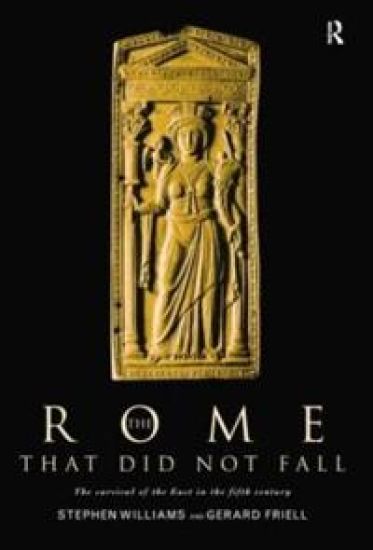
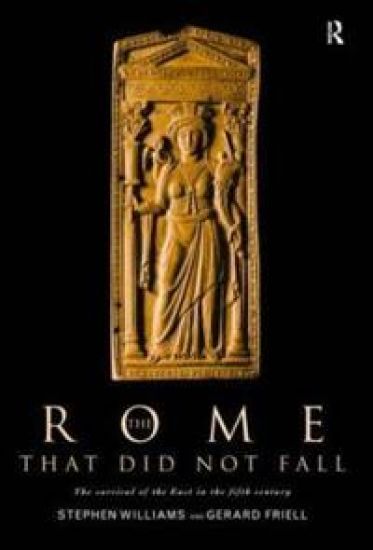
The Rome that Did Not Fall provides a well-illustrated, comprehensive narrative and analysis of the Roman empire in the east, charting its remarkable growth and development which resulted in the distinct and enduring civilization of Byzantium. It considers:* the fourth century background* the invasions of Attila* the resources of the east* the struggle for stability* the achievements of Anastasius.
The Rome that Did Not Fall provides a well-illustrated, comprehensive narrative and analysis of the Roman empire in the east, charting its remarkable growth and development which resulted in the distinct and enduring civilization of Byzantium. It considers:* the fourth century background* the invasions of Attila* the resources of the east* the struggle for stability* the achievements of Anastasius.
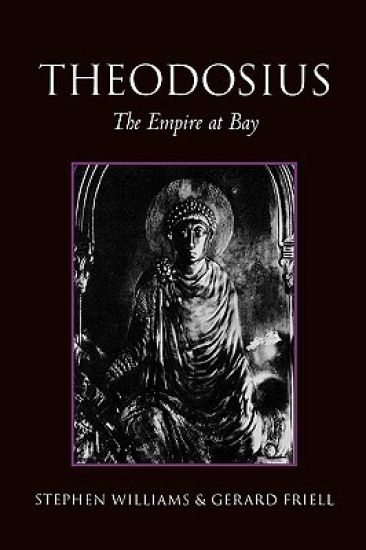
Emperor Theodosius (379-95) was the last Roman emperor to rule a unified empire of East and West and his reign represents a turning point in the policies and fortunes of the Late Roman Empire. In this imperial biography, Stephen Williams and Gerry Friell bring together literary, archaeological and numismatic evidence concerning this Roman emperor, studying his military and political struggles, which he fought heroically but ultimately in vain. Summoned from retirement to the throne after the disastrous Roman defeat by the Goths at Adrianople, Theodosius was called on to rebuild the armies and put the shattered state back together. He instituted a new policy towards the barbarians, in which diplomacy played a larger role than military might, at a time of increasing frontier dangers and acute manpower shortage. He was also the founder of the established Apostolic Catholic Church. Unlike other Christian emperors, he suppressed both heresy and paganism and enforced orthodoxy by law. The path was a diffucult one, but Theodosius (and his successor, Stilicho) had little choice. This new study convincingly demonstrates how a series of political misfortunes led to the separation of the Eastern and Western empires which meant that the overlordship of Rome in Europe dwindled into mere ceremonial. The authors examine the emperor and his character and the state of the Roman empire, putting his reign in the context of the troubled times.
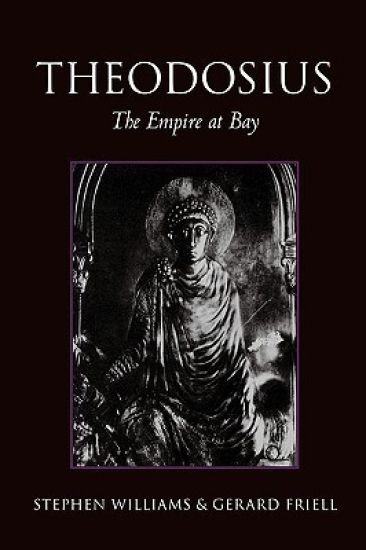
Theodosius I, a towering figure in the history of the late Roman Empire and the early Church, was the last Roman emperor to rule a unified empire of East and West. His reign from 379 to 395 represents a turning point in the policies and fortunes of the late Roman Empire. In this fascinating biography, Stephen Williams and Gerard Friell examine Theodosius's life and character, placing the military, religious, and political struggles of his reign in the context of the troubled times of the empire. Drawing on literary, archaeological, and numismatic evidence, the authors describe how Theodosius was summoned to the throne after the disastrous Roman defeat by the Goths at Adrianople and was called upon to rebuild the armies and put the shattered state back together. They show how Theodosius instituted a new policy toward the barbarians, in which diplomacy played a larger role than military might at a time of increasing frontier dangers and acute manpower shortages, and how a series of political misfortunes led to the separation of the Eastern and Western empires despite his efforts. They also discuss Theodosius's importance in the Christian Church. Baptized in 380, Theodosius established the Apostolic Catholic Church as the only State religion; unlike Constantine and the other Christian emperors, he suppressed both heresy and paganism and enforced orthodoxy by law. By fully exploring these various facets of Theodosius's life and reign, Williams and Friell present a new and absorbing picture of this important emperor.