Kirjojen hintavertailu. Mukana 12 390 323 kirjaa ja 12 kauppaa.

Kirjailija

Gerhard Kreuch

Kirjat ja teokset yhdessä paikassa: 3 kirjaa, julkaisuja vuosilta 2019-2023, suosituimpien joukossa Self-Feeling. Vertaile teosten hintoja ja tarkista saatavuus suomalaisista kirjakaupoista.

3 kirjaa

Kirjojen julkaisuhaarukka 2019-2023.

Selbstgefühl

Selbstgefühl

Gerhard Kreuch

Springer International Publishing AG
2023
sidottu
Diese Monographie bietet neue Einblicke in die Verbindung zwischen Selbstbewusstsein und Emotion. Sie konzentriert sich auf die Frage, was uns die grundlegenden "Gefühle des Seins" über uns selbst sagen. Die Ergebnisse bereichern die Philosophie der menschlichen Affektivität und tragen dazu bei, ein neues Licht auf einige dringende, aktuelle Probleme zu werfen. Der Autor versucht, das Selbstbewusstsein als ein affektives Phänomen zu verstehen, nämlich als Selbstgefühl. Er identifiziert es als ein präreflexives, präpropositionales, körperliches Gefühl, das unseren Möglichkeitsraum formt. Es ist die affektive Offenlegung der individuellen Existenz. Seine Darstellung überwindet die Schwierigkeiten des unendlichen Regresses und der bösartigen Zirkularität, mit denen reflexive (oder übergeordnete) Darstellungen des Selbstbewusstseins zu kämpfen haben. Gleichzeitig hilft sie, eine Brücke zwischen der grundlegenden Ebene des Selbstbewusstseins und der höheren Ebene der substanzielleren Gedanken über sich selbst zu schlagen. Der Titel befasst sich mit grundlegender Affektivität, Matthew Ratcliffes Theorie der existentiellen Gefühle, Merkmalen des Selbstgefühls sowie Angemessenheit und Unangemessenheit in der Selbstinterpretation. Außerdem werden die Beiträge der Heidelberger Schule des Selbstbewusstseins zu den aktuellen Debatten erörtert. Der Titel bietet Studenten und Forschern einen einzigartigen Einblick in so wichtige philosophische Fragen wie: Was ist Selbst-Bewusstsein? Wie können wir uns selbst erkennen? Er wird auch ein breiteres Publikum ansprechen, das sich für das Selbstbewusstsein und/oder die menschliche Affektivität interessiert, da er keine Kenntnis des Fachjargons voraussetzt.

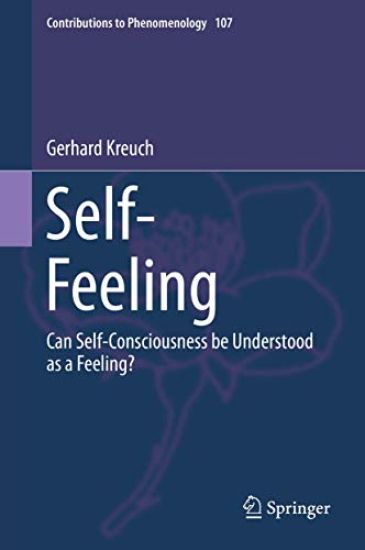
Self-Feeling

Self-Feeling

Gerhard Kreuch

Springer Nature Switzerland AG
2020
nidottu
This monograph offers new insights into the connection between self-consciousness and emotion. It focuses on what fundamental “feelings of being” tell us about ourselves. The results enrich the philosophy of human affectivity and help shed new light on some pressing, current problems. The author seeks to understand self-consciousness as an affective phenomenon, namely as self-feeling. He identifies it as a pre-reflective, pre-propositional, bodily feeling that shapes our space of possibilities. It is the affective disclosure of individual existence. His account overcomes the difficulties of infinite regress and vicious circularity that reflective (or higher-order) accounts of self-consciousness struggle with. At the same time, it helps build a bridge between the basic level of self-consciousness and the higher level of more substantial thoughts about oneself. The title explores fundamental affectivity, Matthew Ratcliffe’s theory of existential feelings, features of self-feeling, and appropriateness and inappropriateness in self-interpretation. It also considers the contributions of the Heidelberg School of self-consciousness to current debates. The title provides students and researchers with a unique look into such vital philosophical questions as: What is self-consciousness? How do we know ourselves? It will also appeal to a wider audience interested in self-consciousness and/or human affectivity since it does not presuppose knowledge of the jargon.
Self-Feeling

Self-Feeling

Gerhard Kreuch

Springer Nature Switzerland AG
2019
sidottu
This monograph offers new insights into the connection between self-consciousness and emotion. It focuses on what fundamental “feelings of being” tell us about ourselves. The results enrich the philosophy of human affectivity and help shed new light on some pressing, current problems. The author seeks to understand self-consciousness as an affective phenomenon, namely as self-feeling. He identifies it as a pre-reflective, pre-propositional, bodily feeling that shapes our space of possibilities. It is the affective disclosure of individual existence. His account overcomes the difficulties of infinite regress and vicious circularity that reflective (or higher-order) accounts of self-consciousness struggle with. At the same time, it helps build a bridge between the basic level of self-consciousness and the higher level of more substantial thoughts about oneself. The title explores fundamental affectivity, Matthew Ratcliffe’s theory of existential feelings, features of self-feeling, and appropriateness and inappropriateness in self-interpretation. It also considers the contributions of the Heidelberg School of self-consciousness to current debates. The title provides students and researchers with a unique look into such vital philosophical questions as: What is self-consciousness? How do we know ourselves? It will also appeal to a wider audience interested in self-consciousness and/or human affectivity since it does not presuppose knowledge of the jargon.