Kirjojen hintavertailu. Mukana 12 595 353 kirjaa ja 12 kauppaa.

Kirjailija

Gerry Smyth

Kirjat ja teokset yhdessä paikassa: 22 kirjaa, julkaisuja vuosilta 1997-2026, suosituimpien joukossa Tara of the Kings. Vertaile teosten hintoja ja tarkista saatavuus suomalaisista kirjakaupoista.

22 kirjaa

Kirjojen julkaisuhaarukka 1997-2026.

Tara of the Kings

Tara of the Kings

Gerry Smyth

British Library Publishing
2026
sidottu
Irish mythology comprises a rich and diverse body of stories accumulated over thousands of years in a variety of oral and literary forms. The stories reach back into pre-history, telling of the island’s ‘original’ inhabitants and their relations with a series of invading races throughout what is assumed to be the neolithic, bronze and iron age periods. Preserved in memory by professional castes of druids and bards, the stories survived in oral form until they began to be written down towards the end of the first millennium by monkish clerics keen to establish a narrative of Irish history culminating in Christian hegemony. This new collection rewrites stories from the canon as simply and as accessibly as possible to win a new audience for this wonderful tradition. Such stories will include Deirdre and the Sons of Ulster from the Ulster Cycle and Finn mac Cool and the Salmon of Knowledge from the Fenian Cycle, as well as The Children of Lir and The Coming of Patrick. These stories will be accompanied by commentaries which introduce readers to some of the historical and literary issues attending the survival of the stories, all beautifully illustrated with images from the printed collections of the British Library.
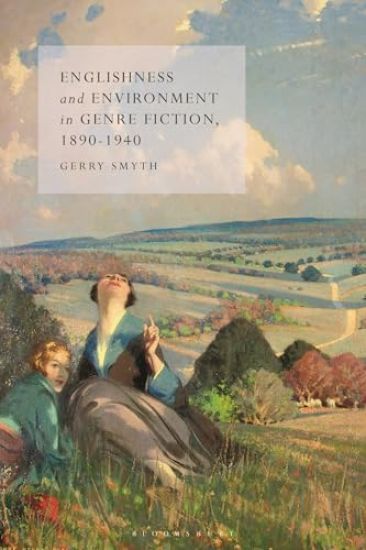
Englishness and Environment in Genre Fiction, 1890-1940

Englishness and Environment in Genre Fiction, 1890-1940

Gerry Smyth

BLOOMSBURY PUBLISHING PLC
2026
nidottu
In this moment of growing anxiety about the environment and the fate of humanity, literature continues its vital role of articulating dynamic new ways of thinking about the relations between humanity, environment and technology. In this book, cultural historian Gerry Smyth focuses on English genre fiction of the late 19th and early 20th centuries, exploring the ways in which popular novelists of the period engaged with debates relating to environment (England), culture (English language and literature) and identity (Englishness). In sixteen case studies, the author covers examples of fantasy, science fiction, murder mystery and children’s stories in order to trace the prehistory of modern environmentalism, especially as experienced in a key 50-year period running up to the start of the Second World War. Environment and Genre Fiction, 1890-1940 offers new approaches to a variety of well-loved English novels, seeking and describing an unlikely but important alternative genealogy for both modern English literature and modern ecocriticism. Case studies include The Island of Dr Moreau, Heart of Darkness, The Wind in the Willows, Cold Comfort Farm, Brave New World and The Hobbit. In these and other popular novels Smyth examines themes such as evolution, industrialisation, the growth of technology, Britain’s fading imperial status, assaults on traditional discourses of class, gender and sexuality, animal rights, artificial intelligence and war. The central focus is on the ways in which popular genre authors responded to a variety of changes that were overtaking the idea of England itself during this period. Accessible and innovative, this book reconfigures modern English literary history from an environmental perspective, insisting that questions of environment were always already embedded in the field of modern cultural debate.
Englishness and Environment in Genre Fiction, 1890-1940

Englishness and Environment in Genre Fiction, 1890-1940

Gerry Smyth

BLOOMSBURY PUBLISHING PLC
2026
sidottu
In this moment of growing anxiety about the environment and the fate of humanity, literature continues its vital role of articulating dynamic new ways of thinking about the relations between humanity, environment and technology. In this book, cultural historian Gerry Smyth focuses on English genre fiction of the late 19th and early 20th centuries, exploring the ways in which popular novelists of the period engaged with debates relating to environment (England), culture (English language and literature) and identity (Englishness). In 16 case studies, the author covers examples of fantasy, science fiction, murder mystery and children’s stories in order to trace the prehistory of modern environmentalism, especially as experienced in a key 50-year period running up to the start of the Second World War. Englishness and Environment in Genre Fiction, 1890-1940 offers new approaches to a variety of well-loved English novels, describing an unlikely but important alternative genealogy for both modern English literature and modern ecocriticism. Case studies include The Island of Dr Moreau, Heart of Darkness, The Wind in the Willows, Cold Comfort Farm, Brave New World and The Hobbit. In these and other popular novels Smyth examines themes such as evolution, industrialisation, the growth of technology, Britain’s fading imperial status, assaults on traditional discourses of class, gender and sexuality, animal rights, artificial intelligence and war. The central focus is on the ways in which popular genre authors responded to a variety of changes that were overtaking the idea of England itself during this period. Accessible and innovative, this book reconfigures modern English literary history from an environmental perspective, insisting that questions of environment were always already embedded in the field of modern cultural debate.
Serpent, Siren, Maelstrom and Myth

Serpent, Siren, Maelstrom and Myth

Gerry Smyth

British Library Publishing
2025
nidottu
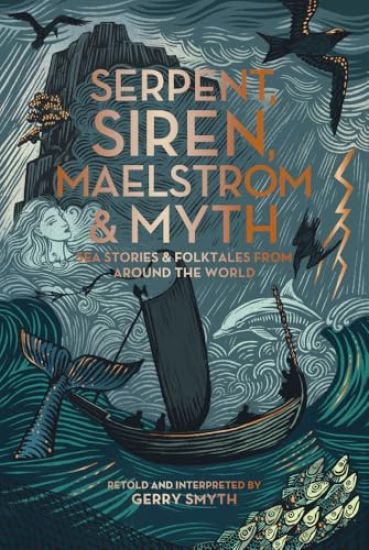
The sea is beautiful and alluring, but it is also dangerous and deadly. Above all, it is unknowable and untameable. Storytelling offered our ancestors a means to understand and interact with the natural world, and in time these stories coalesced into the mythological systems of the world. And the ocean features in every mythological system in history. To reflect and explore this, Gerry Smyth has gathered together myths and folktales from cultures around the world Native American, Caribbean, Polynesian, Persian, Indian, Scandinavian and European. Just as these stories have been passed down through generations, he brings his own narrative interpretation with additional discussion on their meaning. Stories are divided into seven sections: Origin Stories; Gods and Humans; Voyages; Lost Places, Imagined Spaces; Weather and Nature; Down to the Sea in Ships; Fabulous Beasts; and embellished with illustrations from the wide-ranging collections of the Library.
Sailor Song: The Shanties and Ballads of the High Seas

Sailor Song: The Shanties and Ballads of the High Seas

Gerry Smyth

UNIVERSITY OF WASHINGTON PRESS
2025
nidottu
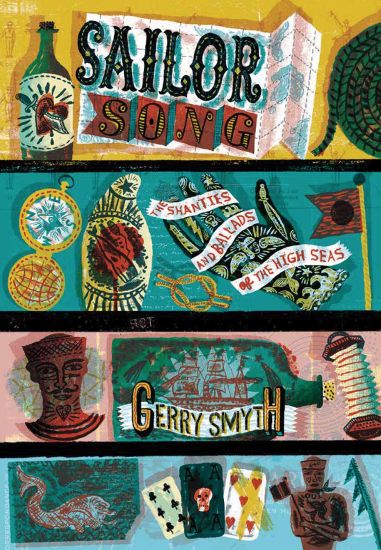
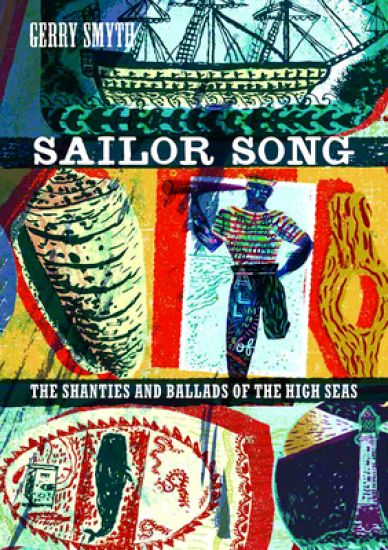
Reintroduces the traditional sea shanty for a new generationPassed down in the oral tradition and sung as working songs, sea shanties tell the compelling human stories of life on the water: hard labor, battling the elements, pining for distant loves and far-away homes. The music's rhythms are designed to galvanize the group effort of heaving, pushing, and pulling to weigh anchor, wind rope around a capstan, or set sail.Acclaimed shanty devotee Gerry Smyth presents the background to each shanty alongside musical notation. The lyrics are elaborated upon with explanations of terminology, context including historical facts and accounts of life at sea, and the characters, both fictional and nonfictional, that appear in the songs from the great age of sail to the last days of square-rig.
Serpent, Siren, Maelstrom, and Myth: Sea Stories and Folktales from Around the World
An entrancing collection of myths and legends of the seaThe sea is beautiful and alluring, but it is also dangerous and deadly. Above all, it is unknowable and untamable. Storytelling offered our ancestors a means to understand and interact with the natural world, and in time these stories coalesced into the mythological systems of the world. And the ocean features in every mythological system in history. To reflect and explore this phenomenon, Gerry Smyth gathers together myths and folktales from cultures around the world: Native American, Caribbean, Polynesian, Persian, Indian, Scandinavian, and European. Just as these stories have been passed down through generations, he brings his own narrative interpretation with additional discussion on their meaning. Stories are divided into seven sections--Origin Stories; Gods and Humans; Voyages; Lost Places, Imagined Spaces; Weather and Nature; Down to the Sea in Ships; and Fabulous Beasts--and embellished with artworks, paintings, medieval illuminations, maps, and sailor sketches drawn from the wide-ranging collections of the British Library.
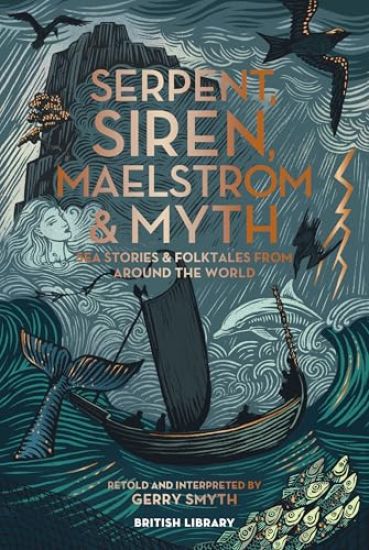
Serpent, Siren, Maelstrom & Myth

Serpent, Siren, Maelstrom & Myth

Gerry Smyth

British Library Publishing
2023
sidottu
The sea is beautiful and alluring, but it is also dangerous and deadly. Above all, it is unknowable and untameable. Storytelling offered our ancestors a means to understand and interact with the natural world, and in time these stories coalesced into the mythological systems of the world. And the ocean features in every mythological system in history. To reflect and explore this, Gerry Smyth has gathered together myths and folktales from cultures around the world – Native American, Caribbean, Polynesian, Persian, Indian, Scandinavian and European. Just as these stories have been passed down through generations, he brings his own narrative interpretation with additional discussion on their meaning. Stories are divided into seven sections: Origin Stories; Gods and Humans; Voyages; Lost Places, Imagined Spaces; Weather and Nature; Down to the Sea in Ships; Fabulous Beasts; and embellished with illustrations from the wide-ranging collections of the Library.
Serpent, Siren, Maelstrom, and Myth: Sea Stories and Folktales from Around the World
An entrancing collection of myths and legends of the seaThe sea is beautiful and alluring, but it is also dangerous and deadly. Above all, it is unknowable and untamable. Storytelling offered our ancestors a means to understand and interact with the natural world, and in time these stories coalesced into the mythological systems of the world. And the ocean features in every mythological system in history. To reflect and explore this phenomenon, Gerry Smyth gathers together myths and folktales from cultures around the world: Native American, Caribbean, Polynesian, Persian, Indian, Scandinavian, and European. Just as these stories have been passed down through generations, he brings his own narrative interpretation with additional discussion on their meaning. Stories are divided into seven sections--Origin Stories; Gods and Humans; Voyages; Lost Places, Imagined Spaces; Weather and Nature; Down to the Sea in Ships; and Fabulous Beasts--and embellished with artworks, paintings, medieval illuminations, maps, and sailor sketches drawn from the wide-ranging collections of the British Library.
Music and Sound in the Life and Literature of James Joyce

Music and Sound in the Life and Literature of James Joyce

Gerry Smyth

Springer Nature Switzerland AG
2021
nidottu
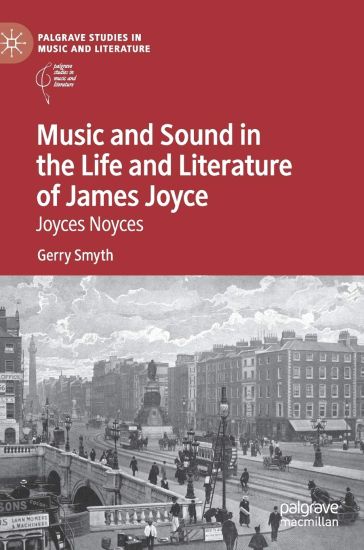
Music and Sound in the Life and Literature of James Joyce: Joyces Noyces offers a fresh perspective on the Irish writer James Joyce’s much-noted obsession with music. This book provides an overview of a century-old critical tradition focused on Joyce and music, as well as six in-depth case studies which revisit material from the writer’s career in the light of new and emerging theories. Considering both Irish cultural history and the European art music tradition, the book combines approaches from cultural musicology, critical theory, sound studies and Irish studies. Chapters explore Joyce’s use of repetition, his response to literary Wagnerism, the role and status of music in the aesthetic and political debates of the fin de siècle, music and cultural nationalism, ubiquitous urban sound and ‘shanty aesthetics’. Gerry Smyth revitalizes Joyce’s work in relation to the ‘noisy’ world in which the author wrote (and his audience read) his work.
Sailor Song

Sailor Song

Gerry Smyth

British Library Publishing
2021
sidottu
Passed down in the oral tradition and sung traditionally as working songs, sea shanties tell the human stories of life at sea: hard graft, battling the elements, the loss of ships or pining for a lady on shore. Its pages decorated with hand-drawn or wood-cut illustrations from celebrated artist Jonny Hannah, Sailor Song addresses the current modern revival of sea shanties, and seeks to celebrate and to explore the historical, musical and social history of the traditional sea song through 40 beautiful, mournful, haunting and uplifting shanties. Acclaimed shanty devotee Gerry Smyth presents the background to each one alongside musical notation. The lyrics are elaborated with explanations of terminology, context including historical facts and accounts of life at sea, and the characters, both fictional and non-fictional, that appear in the songs from the great age of sail to the last days of square-rig. Where appropriate, a direct digital link is made to a shanty recording in the British Library Sound Archive.
Music and Sound in the Life and Literature of James Joyce

Music and Sound in the Life and Literature of James Joyce

Gerry Smyth

Springer Nature Switzerland AG
2020
sidottu
Music and Sound in the Life and Literature of James Joyce: Joyces Noyces offers a fresh perspective on the Irish writer James Joyce’s much-noted obsession with music. This book provides an overview of a century-old critical tradition focused on Joyce and music, as well as six in-depth case studies which revisit material from the writer’s career in the light of new and emerging theories. Considering both Irish cultural history and the European art music tradition, the book combines approaches from cultural musicology, critical theory, sound studies and Irish studies. Chapters explore Joyce’s use of repetition, his response to literary Wagnerism, the role and status of music in the aesthetic and political debates of the fin de siècle, music and cultural nationalism, ubiquitous urban sound and ‘shanty aesthetics’. Gerry Smyth revitalizes Joyce’s work in relation to the ‘noisy’ world in which the author wrote (and his audience read) his work.
Sailor Song: The Shanties and Ballads of the High Seas

Sailor Song: The Shanties and Ballads of the High Seas

Gerry Smyth

UNIVERSITY OF WASHINGTON PRESS
2020
sidottu
Reintroduces the traditional sea shanty for a new generationPassed down in the oral tradition and sung as working songs, sea shanties tell the compelling human stories of life on the water: hard labor, battling the elements, pining for distant loves and far-away homes. The music's rhythms are designed to galvanize the group effort of heaving, pushing, and pulling to weigh anchor, wind rope around a capstan, or set sail.Acclaimed shanty devotee Gerry Smyth presents the background to each shanty alongside musical notation. The lyrics are elaborated upon with explanations of terminology, context including historical facts and accounts of life at sea, and the characters, both fictional and nonfictional, that appear in the songs from the great age of sail to the last days of square-rig.
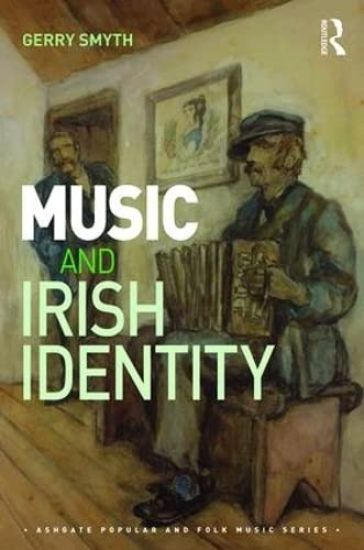
Music and Irish Identity

Music and Irish Identity

Gerry Smyth

Routledge
2019
nidottu
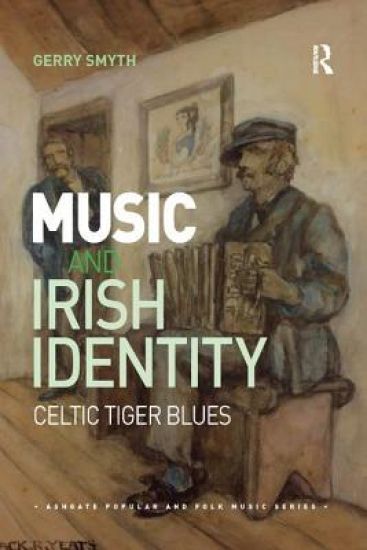
Music and Irish Identity represents the latest stage in a life-long project for Gerry Smyth, focusing here on the ways in which music engages with particular aspects of Irish identity. The nature of popular music and the Irish identity it supposedly articulates have both undergone profound change in recent years: the first as a result of technological and wider industrial changes in the organisation and dissemination of music as seen, for example, with digital platforms such as YouTube, Spotify and iTunes. A second factor has been Ireland’s spectacular fall from economic grace after the demise of the "Celtic Tiger", and the ensuing crisis of national identity. Smyth argues that if, as the stereotypical association would have it, the Irish have always been a musical race, then that association needs re-examination in the light of developments in relation to both cultural practice and political identity. This book contributes to that process through a series of related case studies that are both scholarly and accessible. Some of the principal ideas broached in the text include the (re-)establishment of music as a key object of Irish cultural studies; the theoretical limitations of traditional musicology; the development of new methodologies specifically designed to address the demands of Irish music in all its aspects; and the impact of economic austerity on musical negotiations of Irish identity. The book will be of seminal importance to all those interested in popular music, cultural studies and the wider fate of Ireland in the twenty-first century.
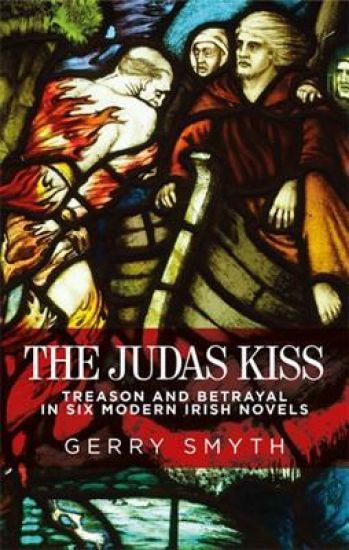
The Judas Kiss

The Judas Kiss

Gerry Smyth

Manchester University Press
2018
nidottu
This book argues that modern Irish history encompasses a deep-seated fear of betrayal, and that this fear has been especially prevalent since the revolutionary period at the outset of the twentieth century. The author goes on to argue that the novel is the literary form most apt for the exploration of betrayal in its social, political and psychological dimensions. The significance of this thesis comes into focus in terms of a number of recent developments – most notably, the economic downturn (and the political and civic betrayals implicated therein) and revelations of the Catholic Church’s failure in its pastoral mission. As many observers note, such developments have brought the language of betrayal to the forefront of contemporary Irish life. This book offers a powerful analysis of modern Irish history as regarded from the perspective of some of its most incisive minds, including James Joyce, Liam O’Flaherty, Elizabeth Bowen, Francis Stuart, Eugene McCabe and Anne Enright.
Music and Irish Identity

Music and Irish Identity

Gerry Smyth

Routledge
2016
sidottu
Music and Irish Identity represents the latest stage in a life-long project for Gerry Smyth, focusing here on the ways in which music engages with particular aspects of Irish identity. The nature of popular music and the Irish identity it supposedly articulates have both undergone profound change in recent years: the first as a result of technological and wider industrial changes in the organisation and dissemination of music as seen, for example, with digital platforms such as YouTube, Spotify and iTunes. A second factor has been Ireland’s spectacular fall from economic grace after the demise of the "Celtic Tiger", and the ensuing crisis of national identity. Smyth argues that if, as the stereotypical association would have it, the Irish have always been a musical race, then that association needs re-examination in the light of developments in relation to both cultural practice and political identity. This book contributes to that process through a series of related case studies that are both scholarly and accessible. Some of the principal ideas broached in the text include the (re-)establishment of music as a key object of Irish cultural studies; the theoretical limitations of traditional musicology; the development of new methodologies specifically designed to address the demands of Irish music in all its aspects; and the impact of economic austerity on musical negotiations of Irish identity. The book will be of seminal importance to all those interested in popular music, cultural studies and the wider fate of Ireland in the twenty-first century.
The Judas Kiss

The Judas Kiss

Gerry Smyth

Manchester University Press
2015
sidottu
This book argues that modern Irish history encompasses a deep-seated fear of betrayal, and that this fear has been especially prevalent since the revolutionary period at the outset of the twentieth century. The author goes on to argue that the novel is the literary form most apt for the exploration of betrayal in its social, political and psychological dimensions. The significance of this thesis comes into focus in terms of a number of recent developments – most notably, the economic downturn (and the political and civic betrayals implicated therein) and revelations of the Catholic Church’s failure in its pastoral mission. As many observers note, such developments have brought the language of betrayal to the forefront of contemporary Irish life. This book offers a powerful analysis of modern Irish history as regarded from the perspective of some its most incisive minds, including James Joyce, Liam O’Flaherty, Elizabeth Bowen, Francis Stuart, Eugene McCabe and Anne Enright.
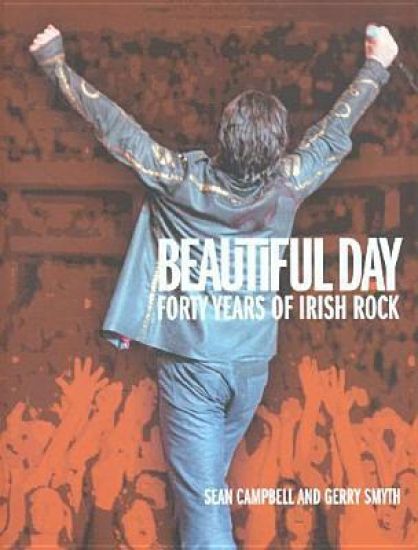
Beautiful Day

Beautiful Day

Sean Campbell; Gerry Smyth

Atrium
2005
sidottu
Beautiful Day introduces representative songs from 1964 to the present by a range of Irish popular musicians. The book combines written text with photographs to produce an attractive volume that is evocative, informative, and controversial, and that has widespread, cross-demographic appeal. Music has played an important role throughout the island of Ireland since ancient times, and it continues to represent one of the principal cultural avenues for the expression and exploration of contemporary Irish identities. Beautiful Day: Forty Years of Irish Rock tells the story of modern Ireland from the perspective of the music produced across the island during a period of rapid, decisive change. The volume is made up of an introductory essay (4,000 words) followed by short essays (ca. 1,200 words) on forty-one songs (one from each year between 1964 and 2004) interspersed with photographic images relating to individual performers, songs and / or cultural context. This book will place representative material by a variety of artists - including U2, Enya, The Corrs, Thin Lizzy, Van Morrison, and Sinead O'Connor - in their musical, cultural and historical contexts, while also introducing a range of less well known, but no less interesting, Irish popular musicians from the 1960s down to the present. Although the style is accessible, the research is thorough, and is intended to challenge many received ideas relating to the development of Ireland during this key stage of its political and cultural history. The overall intention is to combine written text with photographs to produce an attractive book that is evocative, informative, and controversial, and that has widespread, cross-demographic appeal.
Noisy Island

Noisy Island

Gerry Smyth

Cork University Press
2005
sidottu
Irish contemporary popular music has had remarkable international success, but relatively little scholarly attention. Analysis of cultural identity has been dominated by the literary canon, yet music has been crucial in constructions and definitions of Irishness since the late eighteenth century. This trail-blazing book is the first cultural history of Irish rock music from the 1960s to the present. Using theoretical perspectives drawn from cultural criticism and music studies, Gerry Smyth shows how Irish rock music has engaged with issues of national identity at every level, from music to performance to distribution and publicity. The big names, such as Rory Gallagher, Van Morrison, U2, Thin Lizzy, emerge in a new light, as they, together with less well-known artists, like Northern Ireland bands, Ash and the Undertones, are examined in terms of the economic, sociological and political factors which conditioned their music. The book also looks at the roots of Irish rock in the Show-band era, the influence of folk and traditional music, and the legacy of punk. It looks at the opportunities and challenges facing Irish Rock at a time of increasing commercialisation and globalisation. It includes a substantial discography.
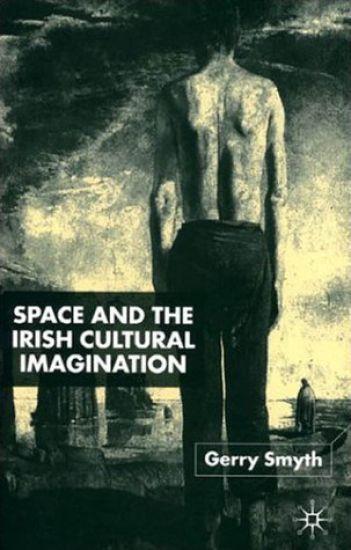
Space and the Irish Cultural Imagination

Space and the Irish Cultural Imagination

Gerry Smyth

Palgrave Macmillan
2001
sidottu
This book reconstitutes the category of 'space' as a crucial element within contemporary cultural, literary and historical studies in Ireland. The study is based on the dual premise of an explosion of interest in the category of space in modern cultural criticism and social inquiry, and the consolidation of Irish studies as a significant scholarly field across a number of institutional and intellectual contexts. Besides a methodological/theoretical introduction and extended case studies, the book includes an auto-critical dimension which extends its interest into the fields of local history and life-writing.
Space and the Irish Cultural Imagination

Space and the Irish Cultural Imagination

Gerry Smyth

Palgrave Macmillan
2001
nidottu
This book reconstitutes the category of 'space' as a crucial element within contemporary cultural, literary and historical studies in Ireland. The study is based on the dual premise of an explosion of interest in the category of space in modern cultural criticism and social inquiry, and the consolidation of Irish studies as a significant scholarly field across a number of institutional and intellectual contexts. Besides a methodological/theoretical introduction and extended case studies, the book includes an auto-critical dimension which extends its interest into the fields of local history and life-writing.