Kirjojen hintavertailu. Mukana 12 108 895 kirjaa ja 12 kauppaa.
Kirjailija
Gert Biesta
Kirjat ja teokset yhdessä paikassa: 29 kirjaa, julkaisuja vuosilta 2006-2026, suosituimpien joukossa Perspektiv på skolans problem : vad säger forskningen?. Vertaile teosten hintoja ja tarkista saatavuus suomalaisista kirjakaupoista.
Andreas Fejes; Magnus Dahlstedt; Majsa Allelin; Emma Arneback; Dennis Beach; Gert Biesta; Marianne Dovemark; Silvia Edling; Tomas Englund; Håkan Gustafsson; Bernt Gustavsson; Eva-Marie Harlin; Fredrik Hertzberg; Magnus Hultén; Malin Ideland; Sara Irisdotter Aldenmyr; Thomas Johansson; Jan Jämte; Anders Jönsson; Anna-Lena Kempe; Alli Klapp; Gunnlaugur Magnússon; Louise Malmström; Tommaso Milani; Judit Novak; Mattias Nylund; Ylva Odenbring; Maria Olson; Per-Åke Rosvall; Maria Rydell; Ingegerd Tallberg Broman; Robert Thornberg
Skolan är i kris. Skolan levererar inte det som önskas. Elever uppnår inte kunskapskraven och lärare är undermåliga. Dessa är några exempel på återkommande teman i en ofta förenklad samtida skoldebatt. Behovet av en mer nyanserad diskussion om komplexiteten i skolans problem är högst nödvändig.I Perspektiv på skolans problem identifierar ett flertal forskare problem som de menar att skolan i dag står inför. Det handlar bland annat om problem som rör demokrati, rasism, språkplikt, skolvåld, betyg, ledarskap, skolmarknaden, juridifiering, distansundervisning, förskolan, vuxenutbildningen, folkhögskolan, och inte minst skoldebatten i sig. Boken ger perspektiv genom inspel från en rad initierade och etablerade forskare från olika discipliner verksamma inom det breda utbildningsvetenskapliga fältet. Med olika nedslag i utbildningslandskapet är ambitionen att stimulera till en skoldebatt som är förankrad i aktuell forskning om skola och utbildning. Perspektiv på skolans problem vänder sig till studerande inom lärarutbildningens olika inriktningar, verksamma inom utbildningsområdet samt andra som är intresserade av debatten om skolans problem.
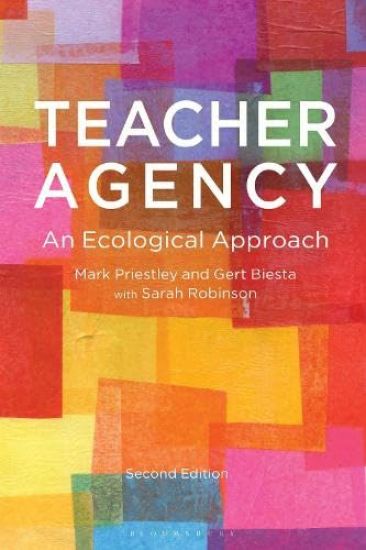
This second edition of Teacher Agency brings new perspectives on teachers as agents of change and development within their professional ecosystems. Centred around an ecological theory of agency, it critically surveys the work that has emerged in this field in the decade since its first edition and how international trends in curriculum policy and teacher development have shaped that landscape.As well as updating the research that formed the core of its original study, this second edition now includes an extensive literature review spanning the theory and conceptualization of teacher agency, and the critical issues that now affect it. Two new chapters also now discuss agency in relation to two key dimensions of education - curriculum and teaching. Drawing this research together with the authors’ international experiences and perspectives, Teacher Agency grapples with theoretical and practical issues of international significance – how should agency be understood? How does it relate to individual teachers’ capacity? What does this mean for the cultures and structures at the heart of teaching?
Helle Rabøl Hansen; Alexander von Oettingen; Arnt Vestergaard Louw; Tine Basse Fisker; Gert Biesta; Pernille Gry Petersen; Christina Holm Poulsen; Gro Emmertsen Lund
Selv om ”pissedårlig trivsel” ikke er et gængs pædagogisk begreb, så er det et aktuelt vigtigt begreb, da det skærper bevidstheden om, hvad der skal til for at opnå trivsel i landets grundskoler. Det har velmenende idealer og trivsel ikke kunnet gøre. Pissedårlig trivsel er således en kommentar til den aktuelle debat om trivsel og mistrivsel. Forfatterne folder sig ud med humor og skarpe pointer i et frit og læsevenligt sprog, der samtidig tager læseren med rundt om de faglige begreber, som danner klangbund for tidens drøftelser. Læs Pissedårlig trivsel og bliv motiveret til at mobilisere bedre trivsel.
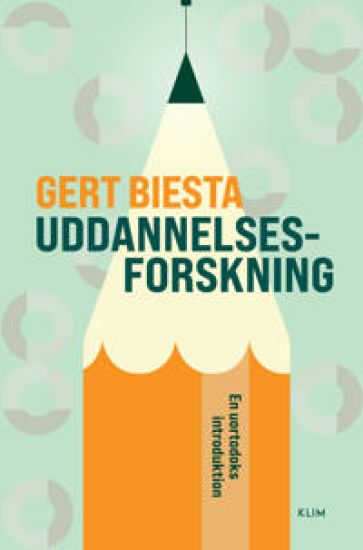
Der findes en enorm mængde teknisk information om forskningsmetoder, og man kan nemt miste overblikket over, hvorfor vi udfører uddannelsesforskning, og hvor og hvordan forskning kan bidrage til forbedringen af uddannelse. Uddannelsesforskning – en uortodoks introduktion fører dig gennem de bredere sociale og politiske sammenhænge inden for uddannelsesforskning og fokuserer på de grundlæggende spørgsmål, såsom hvad uddannelse egentlig “er”, og hvad det er til for. Ved at gøre det, stiller bogen spørgsmål, som mere “ortodokse” introduktioner til teori og praksis inden for uddannelsesforskning ofte lader ligge.Gert Biesta gennemgår en række centrale problemstillinger, der præger ethvert projekt inden for uddannelsesforskning, heriblandt teoriens rolle i forskning, hvad det betyder og kræver at forbedre uddannelse, karakteren af uddannelsespraksis, historien om uddannelsesforskning og videnskab, forbindelsen mellem forskning, professionalitet og demokrati, samt de sociale og politiske dimensioner af akademisk publicering. Hvert kapitel indeholder en række spørgsmål for at opfordre til yderligere diskussion.
En af pædagogikkens største tænkere har skrevet en smuk, lille bog om kunst i uddannelse og om uddannelse til kunst. Kunstens og pædagogikkens veje krydses, og hér kan verden og tilværelsen komme til syne.I en stadig tiltagende instrumentalisering af uddannelse er spørgsmålet: Hvordan kan børn og unge igen få ro og rum til at modtage en opmuntrende undervisning, uden konstant at være under overvågning og kontrol? Gert Biesta viser, at kunsten og pædagogikken kan hjælpe med at genfinde denne menneskelige dimension. Men man må stille de rette spørgsmål: Hvad er det, børn og unge skal blive dygtige til? Og med hvilket formål? Ud fra disse spørgsmål viser Lad kunsten undervise, hvordan kunstens og pædagogikkens veje kan krydse hinanden og være med til at besvare eksistentielle spørgsmål: Hvad vil det egentlig sige at eksistere som menneske? Hvorledes kan livsfylde, dømmekraft og indsigtsfuldhed opnås for den enkelte? Hvordan styrker vi demokrati, ligeværd og åndsfrihed i fællesskabet?
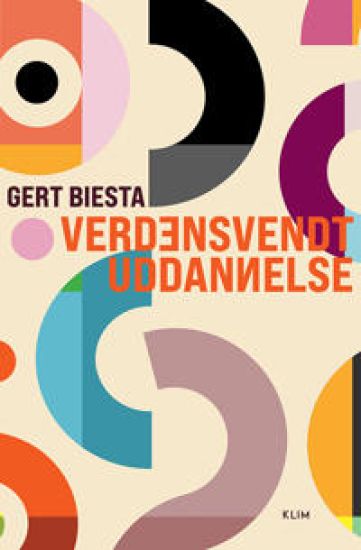
Gert Biesta argumenterer i denne bog for, at uddannelse bør være verdensvendt snarere end rettet mod læreplaner og mål for eleven. Det er ikke kun, fordi uddannelse skal give eleverne viden og færdigheder til at agere i verden, men først og fremmest fordi verden er det sted, hvor vores eksistens som mennesker finder sted.Bogen udforsker, hvad en eksistentiel orientering for uddannelse indebærer, og hvorfor denne bør være et presserende anliggende for uddannelse i dag. Han fremhæver betydningen af ??undervisning, der ikke forstås som overførsel af viden og færdigheder, men som en handling, der retter elevernes opmærksomhed mod verden og det, vi skal kunne i verden. Bogen viser således, hvorfor undervisning har betydning for uddannelse. Den fremhæver skolens unikke position som stedet, hvor den nye generation får tid til at møde verden og møde sig selv i forhold til verden. I hvilket omfang samfundet stadig er villig til at stille denne tid til rådighed, er en vigtig indikation på dets demokratiske kvalitet.
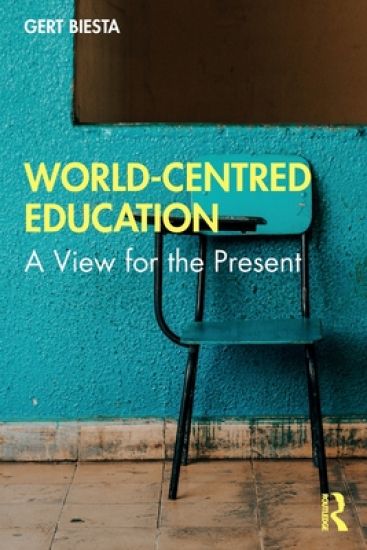
This book makes an intervention in a long-standing discussion by arguing that education should be world-centred rather than child-centred or curriculum-centred. This is not just because education should provide students with the knowledge and skills to act effectively in the world, but is first and foremost because the world is the place where our existence as human beings takes place.In the seven chapters in this book Gert Biesta explores in detail what an existential orientation to education entails and why this should be an urgent concern for education today. He highlights the importance of teaching, not understood as the transmission of knowledge and skills but as an act of (re)directing the attention of students to the world, so that they may encounter what the world is asking from them. The book thus shows why teaching matters for education. It also highlights the unique position of the school as the place where the new generation is given the time to meet the world and meet themselves in relation to the world. The extent to which society is still willing to make this time available, is an important indicator of its democratic quality.This important text demonstrates, not only to academics, but also to students, teachers, school administrators, and teacher educators, the urgency of a world-centred orientation for education today.
Gert Biesta, ledande utbildningsteoretiker, professor i pedagogik vid Maynooth University i Dublin och vid University of Edinburgh, presenterar i denna bok ett annorlunda sätt att se på undervisningen i de estetiska ämnena genom att visa vilka unika möjligheter konsten erbjuder att komma i dialog med den omgivande världen. Undervisningen ses som en visandets process, där läraren visar eleven vad som kan vara bra, viktigt och meningsfullt i världen att ägna sin uppmärksamhet åt. Med hjälp av Joseph Beuys happening från 1965, Hur man förklarar bilder för en död hare, från vilken många bilder finns med i boken, redogör Biesta för hur den processen tar form. Med ett särskilt efterord till den svenska utgåvan.Gert Biesta har beskrivit sina tankar om utbildning som sfär för subjektets och demokratins tillblivelse i ett antal standardverk inom nutida pedagogisk teori. När nu denna bok om konstens undervisande kraft finns tillgänglig på svenska är förhoppningen att den kan bidra till en djupare förståelse hos alla som intresserar sig, från politiker och beslutsfattare, skolledare och lärarutbildare till den enskilda lärarstudenten och pedagogen, för konstens betydelse för en pedagogik och en utbildning för vår (fram)tid.Paul Moerman, dansare, skådespelare och litterär översättare, undervisar på lärarutbildningarna vid Södertörns högskola och är doktorand i konstpedagogik vid Jyväskylä universitet. I sin undervisning i dans, drama och skrivande prövar han att se på utbildning och pedagogik med konstutövarens ögon – och på konsten med pedagogens blick, med inspiration av Gert Biestas pedagogiska teorier och deras didaktiska implikationer.
With so much technical information about research methods it is easy to lose sight of the bigger picture of why we carry out educational research and where and how research might contribute to the improvement of education. Educational Research: An Unorthodox Introduction steps you through the wider social and political contexts of educational research, focusing on fundamental questions such as what education actually ‘is’ and what it is for. In doing so, the book raises questions that more ‘orthodox’ introductions to the theory and practice of educational research often leave aside.Gert Biesta covers a range of key issues which permeate any educational research project, including the roles of theory in research, what it means and takes to improve education, the nature of educational practice, the history of educational research and scholarship, the connection between research, professionality and democracy and what the social and political dimensions of academic publishing are. Each chapter includes a set of questions to stimulate further discussion.
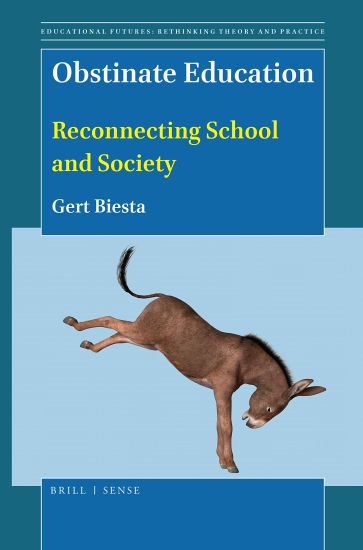
What should the relationship between school and society be? Obstinate Education: Reconnecting School and Society argues that education is not just there to give individuals, groups and societies what they want from it, but that education has a duty to resist. Education needs to be obstinate, not for the sake of being difficult, but in order to make sure that it can contribute to emancipation and democratisation. This requires that education always brings in the question whether what is desired from it is going to help with living life well, individually and collectively, on a planet that has a limited capacity for giving everything that is desired from it. This book argues that education should not just be responsive but should keep its own responsibility; should not just focus on empowerment but also on emancipation; and, through this, should help students to become ‘world-wise.’ It argues that critical thinking and classroom philosophy should retain a political orientation and not be reduced to useful thinking skills, and shows the importance of hesitation in educational relationships. This text makes a strong case for the connection between education and democracy, both in the context of schools, colleges and universities and in the work of public pedagogy.
The Rediscovery of Teaching presents the innovative claim that teaching does not necessarily have to be perceived as an act of control but can be understood and configured as a way of activating possibilities for students to exist as subjects. By framing teaching as an act of dissensus, that is, as an interruption of egological ways of being, this book positions teaching at the progressive end of the educational spectrum, where it can be reconnected with the emancipatory ambitions of education. In conversation with the works of Emmanuel Levinas, Paulo Freire, Jacques Rancière, and other theorists, Gert Biesta shows how students’ existence as subjects hinges on the creation of existential possibilities, through which students can assert their "grown-up" place in the world. Written for researchers and students in the areas of philosophy of education, educational theory, curriculum theory, teaching, and teacher education, The Rediscovery of Teaching demonstrates the important role of teachers and teaching in the project of education as emancipation towards grown-up ways of being in the world.
Recent worldwide education policy has reinvented teachers as agents of change and professional development of the school curriculum. Academic literature has analyzed changes in how teacher professionalism is conceived in policy and in practice but Teacher Agency provides a fresh perspective on the issue, drawing upon an ecological theory of agency. Using this model for understanding agency, Mark Priestley, Gert Biesta and Sarah Robinson explore empirical findings from the 'Teacher Agency and Curriculum Change' project, funded by the UK-based Economic and Social Research Council (ESRC). Drawing together this research with the authors' international experiences and perspectives, Teacher Agency addresses theoretical and practical issues of international significance. The authors illustrate how teacher agency should be understood not only in terms of individual capacity for teachers, but also in respect of the cultures and structures of schooling.
Recent worldwide education policy has reinvented teachers as agents of change and professional developers of the school curriculum. Academic literature has analyzed changes in how teacher professionalism is conceived in policy and in practice but Teacher Agency provides a fresh perspective on this issue, drawing upon an ecological theory of agency. Using this model for understanding agency, Mark Priestley, Gert Biesta and Sarah Robinson explore empirical findings from the ‘Teacher Agency and Curriculum Change’ project, funded by the UK-based Economic and Social Research Council (ESRC). Drawing together this research with the authors’ international experiences and perspectives, Teacher Agency addresses theoretical and practical issues of international significance. The authors illustrate how teacher agency should be understood not only in terms of individual capacity of teachers, but also in respect of the cultures and structures of schooling.
Dion Sommer; Jan Tønnesvang; Klaus Nielsen; Lene Tanggaard Pedersen; Jacob Klitmøller; Annegrethe Ahrenkiel; Ingrid Pramling Samuelsson; Gert Biesta; Margareta Serder; Malin Ideland; Noomi Matthiesen; Jesper Aagaard
Den fremtid, vores børn skal leve i, bliver radikalt anderledes end i dag. Globalisering og hurtig samfundsforandring har skabt et stigende ”fremtidspres” på daginstitution og skole. Denne situation stiller nye krav til børns læring, dannelse og udvikling. Skolen er konstant i fokus med spørgsmålet: ”Kan den levere varen?” Kampen om daginstitutionspædagogikken er tilsvarende i fuld gang: ”Skal små børn lære eller lege?” Hvad er op og ned i den polariserede debat? Læring, dannelse og udvikling – kvalificering til fremtiden i daginstitution og skole forholder sig aktivt sig til denne problematik. I dette konfliktfyldte felt, præget af ideologi og holdninger, har vi fundet det nødvendigt at forankre bogen i forskning. Den er derfor skrevet af aktive forskere, som er særligt kyndige inden for deres specifikke emne. Bogen er et kritisk opgør med den dominerende PISA-tænkning i skolen og den stigende tendens til skoleficering af daginstitutionen. Forfatterne fremlægger en række konstruktive faglige og brugbare svar på spørgsmålet: Hvilken læring, dannelse og udvikling kvalificerer bedst vores børn til fremtiden? Bogen henvender sig pædagog- og lærerstuderende samt studerende på en lang række diplomuddannelser og pædagogisk orienterede fag og moduler på universiteterne. Derudover vil den være inspirerende læsning for alle andre fagpersoner, som er engageret i børns og unges læring og udvikling. Jacob Klitmøller er adjunkt i pædagogisk psykologi, Psykologisk Institut, Aarhus Universitet. Han forsker i brugen af undervisningsteknikker, fænomenologisk læringsteori og betydningen af skolebørns oplevelse af undervisning. Dion Sommer er professor i udviklingspsykologi, Psykologisk Institut, Aarhus Universitet. Han forsker bl.a. i barndomspsykologi, udvikling og pædagogik i vor tid.
”At starte en diskussion om god uddannelse kræver blot, at man stiller et enkelt spørgsmål: Hvad er uddannelse til for?”Så enkelt formulerer Gert J.J. Biesta selv sit udgangspunkt, og ud fra dette grundspørgsmål leverer han kritiske analyser af de neoliberale styringsformer med internationale sammenligninger, markedsgørelse og ”accountability”-systemer og af de virkninger, dette har, på relationerne mellem stat og borger, skoler og forældre, lærere og elever. Konsekvenserne heraf for moral og etik, politik og demokrati belyses med inddragelse af filosofiske begreber og perspektiver fra forskellige forfattere.