Kirjojen hintavertailu. Mukana 12 429 261 kirjaa ja 12 kauppaa.

Kirjailija

Geza Vermes

Kirjat ja teokset yhdessä paikassa: 29 kirjaa, julkaisuja vuosilta 1973-2023, suosituimpien joukossa The Changing Faces of Jesus. Vertaile teosten hintoja ja tarkista saatavuus suomalaisista kirjakaupoista.

29 kirjaa

Kirjojen julkaisuhaarukka 1973-2023.

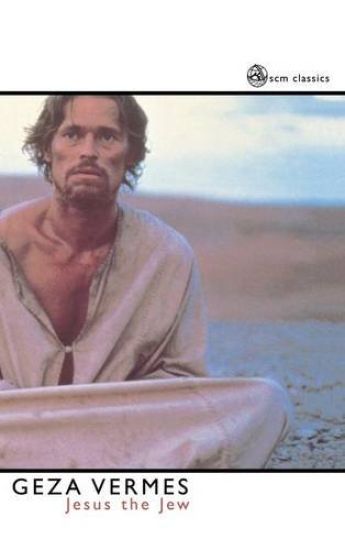
Jesus the Jew

Jesus the Jew

Geza Vermes

SCM PRESS
2001
sidottu
Freed from the weight and onus of Christian doctrine or Jewish animus, Jesus here appears as a vividly human, yet profoundly misunderstood, figure, thoroughly grounded and contextualized within the intellectual and cultural cross-currents of his day.
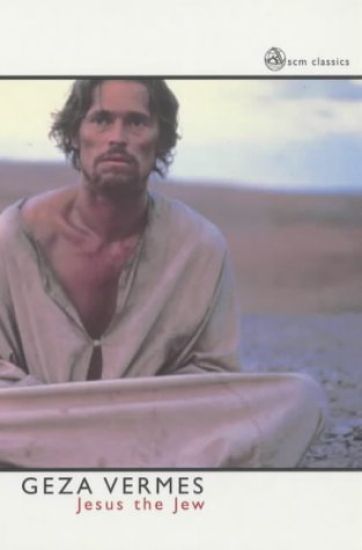
Jesus the Jew

Jesus the Jew

Geza Vermes

SCM Press
2001
nidottu
In this, Geza Vermes' best known book, there emerges perhaps the closest portrayal that we have of a genuinely historical Jesus. Freed from the weight and onus of Christian doctrine or Jewish animus, Jesus here appears as a vividly human, yet profoundly misunderstood, figure, thoroughly grounded and contextualised within the extraordinary intellectual and cultural cross currents of his day. Jesus the Jew is a remarkable portrait by a brilliant scholar writing at the height of his powers, informed by insights from the New Testament, Jewish literature, and the Dead Sea Scrolls alike.
Providential Accidents

Providential Accidents

Geza Vermes

Rowman Littlefield
1998
nidottu
Geza Vermes is known world-wide as an expert on the Dead Sea Scrolls and for his pioneering work, Jesus the Jew. But in addition to that he is the living embodiment of Jewish-Christian relations in the context of an honest quest for the truth. Few scholars have had such a colorful and eventful life, the course of which he describes here. Born into a Hungarian Jewish family which later converted to Christianity, he received a Catholic education and was later ordained priest after the turmoil of the War. The quest for membership in a religious order led him to the Sion Fathers, in Louvain and then in Paris, where among other things he was introduced to biblical studies and became fascinated with the newly discovered Dead Sea Scrolls. Subsequent emotional turmoil from conflicting pressures made him ill , but a series of "Providential Accidents" which gave this book its title brought him to England, marriage, and a new fulfilled life, first in Newcastle-upon-Tyne and then in Oxford, and to a public reassertian of his Jewishness. As well as telling a fascinating personal story, this book provides a vivid insider's account of developments in Scrolls research and of the lengthy battle with procrastinating editors over the "academic scandal of the century." These memoirs shed much light on the deep personal friendships and antagonisms and the complex, non-scholarly factors which accompany even committed study of the Bible, Qumran, and the Gospels.
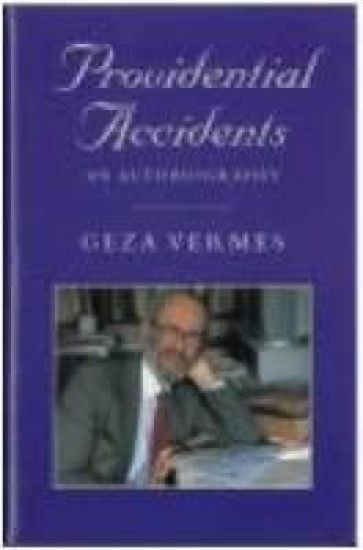
Providential Accidents

Providential Accidents

Geza Vermes

SCM Press
1998
sidottu
Geza Vermes is known world-wide as an expert on the Dead Sea Scrolls and for his pioneering work, Jesus the Jew. But in addition to that he is the living embodiment of Jewish-Christian relations in the context of an honest quest for the truth. Few scholars can have had such a colorful and eventful life, the course of which he describes here. Born into a Hungarian Jewish family which later converted to Christianity, he received a Catholic education and was later ordained priest after the turmoil of the War. The quest for membership in a religious order led him to the Sion Fathers, in Louvain and then in Paris, where among other things he was introduced to biblical studies and became fascinated with the newly discovered Dead Sea Scrolls. Subsequent emotional turmoil from conflicting pressures made him ill, but a series of Providential Accidents" which gave this book its title brought him to England, marriage and a new fulfilled life, first in Newcastle-upon-Tyne and then in Oxford, and to a public re-assertian,of his Jewishness. As well as telling a fascinating personal story, this book also provides a vivid insider's account of developments in Scrolls research and of the lengthy battle with procrastinating editors over the "academic scandal of the century." These memoirs shed much light on the deep personal friendships and antagonisms and the complex, non-scholarly factors which accompany even committed study of the Bible, Qumran, and the Gospels.
The Dead Sea Scrolls in English

The Dead Sea Scrolls in English

Geza Vermes

Sheffield Academic Press
1995
sidottu
'This significantly expanded and revised fourth edition of what has always been the best English translation of the Scrolls has become a combination of two books: Vermes has replaced nearly all of the original Introduction with an abridged version of the corresponding material from The Dead Sea Scrolls: Qumran in Perspective... He has also added new translations of material that has been published since the last edition appeared in 1975... By far still the best edition of the scrolls in English.' James R Mueller, Religious Studies Review
Religion of Jesus the Jew

Religion of Jesus the Jew

Geza Vermes

SCM Press
1993
nidottu
This book completes a trilogy which started in 1973 with Jesus the Jew and continued ten years later with the appearance of Jesus and the World of Judaism, by a leading Jewish expert on the history and literature of Jesus' time whose name is especially associated with work on the Dead Sea Scrolls. Like its predecessors, it is one man's reading of the Synoptic Gospels of Mark, Matthew and Luke. It does not offer a survey of scholarly views or a discussion of competing theories but focusses on the New Testament material and what can be understood from it. It is primarily addressed to readers whose expertise lies outside the Bible, the New Testament and theology, namely those interested in ancient religions, history and culture, and especially in Judaism, though of course biblical scholars and theologians will find much that is fascinating in it. Christians ignorant or unconcerned about the historical reality behind their faith may, however, find many of its pages, and above all the final chapter, disturbing. For Professor Vermes argues that Jesus, enthusiastic herald of the imminent Kingdom of God, could not have entertained the idea of founding and setting into motion an organized society intended to endure for. ages to come. He died in despair, with his heart broken, for having done the wrong thing in the wrong place at the wrong time. The genuine message of Jesus confronts Christianity with its greatest challenge and at the same time constitutes a powerful appeal to those outside the fold of organized religion.