Kirjojen hintavertailu. Mukana 12 595 353 kirjaa ja 12 kauppaa.

Kirjailija

Gilad Ben-Nun

Kirjat ja teokset yhdessä paikassa: 4 kirjaa, julkaisuja vuosilta 2020-2022, suosituimpien joukossa Reimagining Security Communities. Vertaile teosten hintoja ja tarkista saatavuus suomalaisista kirjakaupoista.

4 kirjaa

Kirjojen julkaisuhaarukka 2020-2022.

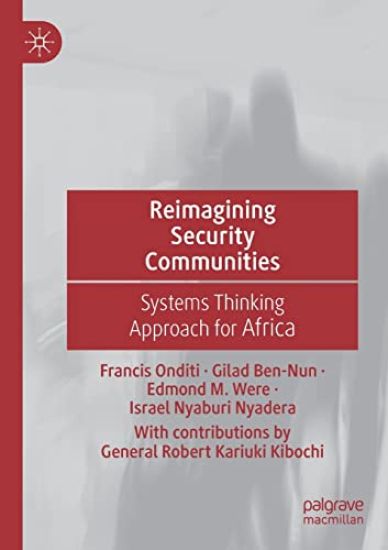
Reimagining Security Communities

Reimagining Security Communities

Francis Onditi; Gilad Ben-Nun; Edmond M. Were; Israel Nyaburi Nyadera

Springer Nature Switzerland AG
2022
nidottu
This book utilizes a systems thinking perspective to propose a holistic framework of analysis and practice for the regional security community (“RSC”) arrangement in Africa. In responding to the challenge of improving effectiveness of response to peace and security threats, African states tend to rely on ad hoc mechanisms. However, this approach has been mired with a myriad of structural limitations. The holistic framework reconfigures the traditional “RSC” into a simplified tool kit of “resources”, making this text book ideal for students and advanced researchers in international relations, and all those concerned with regional security and strategic studies.
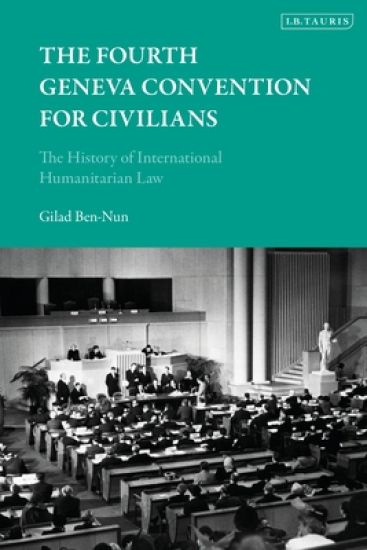
The Fourth Geneva Convention for Civilians

The Fourth Geneva Convention for Civilians

Gilad Ben-Nun

BLOOMSBURY PUBLISHING PLC
2021
nidottu
The Fourth Geneva Convention, signed on 12th August 1949, defines necessary humanitarian protections for civilians during armed conflict and occupation. One-hundred-and-ninety-six countries are signatories to the Geneva Conventions, and this particular facet has laid the foundations for all subsequent humanitarian global law.How did the world – against seemingly insurmountable odds – draft and legislate this landmark in humanitarian international law? The Fourth Geneva Convention for Civilians draws on archival research across seven countries to bring together the Cold War interventions, founding motives and global idealisms that shaped its conception. Gilad Ben-Nun draws on the three key principles that the convention brought about to consider the recent events where its application has either been successfully applied or circumvented, from the 2009 Gaza War, the war crimes tribunal in the former Yugoslavia and Nicaragua vs. the United States to the contemporary conflict in Syria.Weaving historical archival research, a grounding in the concepts of international law, and insightful analysis of recent events, this book will appeal to a broad range of students, academics and legal practitioners.
Reimagining Security Communities

Reimagining Security Communities

Francis Onditi; Gilad Ben-Nun; Edmond M. Were; Israel Nyaburi Nyadera

Springer Nature Switzerland AG
2021
sidottu
This book utilizes a systems thinking perspective to propose a holistic framework of analysis and practice for the regional security community (“RSC”) arrangement in Africa. In responding to the challenge of improving effectiveness of response to peace and security threats, African states tend to rely on ad hoc mechanisms. However, this approach has been mired with a myriad of structural limitations. The holistic framework reconfigures the traditional “RSC” into a simplified tool kit of “resources”, making this text book ideal for students and advanced researchers in international relations, and all those concerned with regional security and strategic studies.
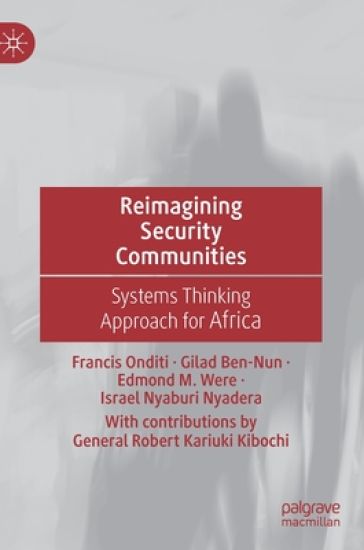
The Fourth Geneva Convention for Civilians

The Fourth Geneva Convention for Civilians

Gilad Ben-Nun

Bloomsbury Publishing PLC
2020
sidottu
The Fourth Geneva Convention, signed on 12th August 1949, defines necessary humanitarian protections for civilians during armed conflict and occupation. One-hundred-and-ninety-six countries are signatories to the Geneva Conventions, and this particular facet has laid the foundations for all subsequent humanitarian global law.How did the world – against seemingly insurmountable odds – draft and legislate this landmark in humanitarian international law? The Fourth Geneva Convention for Civilians draws on archival research across seven countries to bring together the Cold War interventions, founding motives and global idealisms that shaped its conception. Gilad Ben-Nun draws on the three key principles that the convention brought about to consider the recent events where its application has either been successfully applied or circumvented, from the 2009 Gaza War, the war crimes tribunal in the former Yugoslavia and Nicaragua vs. the United States to the contemporary conflict in Syria.Weaving historical archival research, a grounding in the concepts of international law, and insightful analysis of recent events, this book will appeal to a broad range of students, academics and legal practitioners.