Kirjojen hintavertailu. Mukana 12 595 353 kirjaa ja 12 kauppaa.
Kirjailija
Giles Atkinson
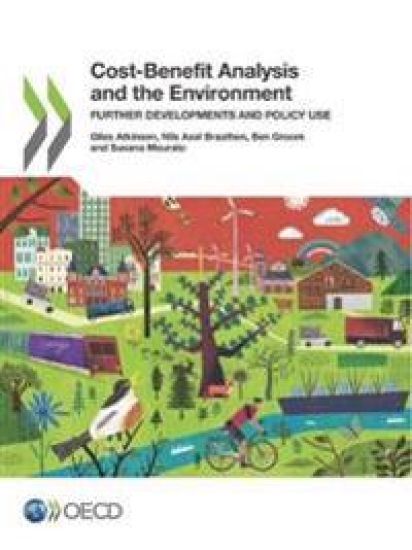
Kirjat ja teokset yhdessä paikassa: 5 kirjaa, julkaisuja vuosilta 1997-2018, suosituimpien joukossa Cost benefit analysis and the environment. Vertaile teosten hintoja ja tarkista saatavuus suomalaisista kirjakaupoista.
This important book presents fresh thinking and new results on the measurement of sustainable development. Economic theory suggests that there should be a link between future wellbeing and current wealth. This book explores this linkage under a variety of headings: population growth, technological change, deforestation and natural resource trade. While the relevant theory is presented briefly, the chief emphasis is on empirical measurement of the change in real wealth: this measure of net or 'genuine' saving is a key indicator of sustainable development. The methodological and empirical work is bolstered by tests of the predictive power of genuine saving in explaining future consumption and economic growth. Just as importantly, the authors show that many resource-abundant countries would be considerably wealthier today had they managed to save and invest the profits from natural resource exploitation in the past.Wealth, Welfare and Sustainability will be of great interest to environmental and resource economists, specialists in 'sustainability' indicators from other disciplines and also development and growth economists.
This important book presents fresh thinking and new results on the measurement of sustainable development. Economic theory suggests that there should be a link between future wellbeing and current wealth. This book explores this linkage under a variety of headings: population growth, technological change, deforestation and natural resource trade. While the relevant theory is presented briefly, the chief emphasis is on empirical measurement of the change in real wealth: this measure of net or 'genuine' saving is a key indicator of sustainable development. The methodological and empirical work is bolstered by tests of the predictive power of genuine saving in explaining future consumption and economic growth. Just as importantly, the authors show that many resource-abundant countries would be considerably wealthier today had they managed to save and invest the profits from natural resource exploitation in the past.Wealth, Welfare and Sustainability will be of great interest to environmental and resource economists, specialists in 'sustainability' indicators from other disciplines and also development and growth economists.
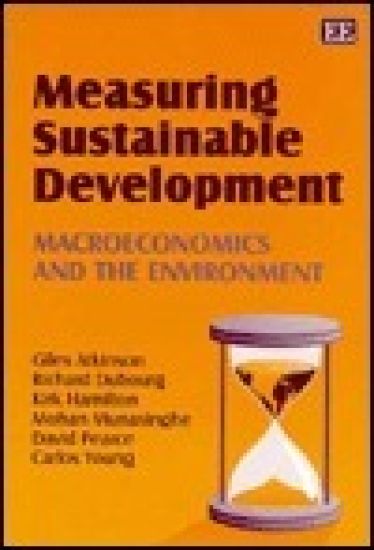
This path-breaking book focuses on the theory and practice of economic development as viewed from the perspective of sustainability, and the implications of sustainability for development policy. It demonstrates how various indicators can be developed and used to determine whether or not an economy is on a sustainable path of development.The book is concerned with measuring sustainability in a macroeconomic context so that decision makers are more aware of the real trends in the economy and the way in which their policies may affect these trends. The discussion on such measurement includes: the physical indicators of sustainability, resource and environmental accounting, savings and the empirical measurement of sustainable development, international trade and unsustainable development, ecological indicators, income distribution and social needs, and the assessment of structural adjustment policies and their implications for sustainable development. The authors conclude that the first step towards sustainable development is for a greater awareness of the effects of development on the environment, and the environment on human well-being.Measuring Sustainable Development will be particularly welcomed by policymakers and practitioners as well as researchers, academics and students of development economics and environmental economics.
This path-breaking book focuses on the theory and practice of economic development as viewed from the perspective of sustainability, and the implications of sustainability for development policy. It demonstrates how various indicators can be developed and used to determine whether or not an economy is on a sustainable path of development.The book is concerned with measuring sustainability in a macroeconomic context so that decision makers are more aware of the real trends in the economy and the way in which their policies may affect these trends. The discussion on such measurement includes: the physical indicators of sustainability, resource and environmental accounting, savings and the empirical measurement of sustainable development, international trade and unsustainable development, ecological indicators, income distribution and social needs, and the assessment of structural adjustment policies and their implications for sustainable development. The authors conclude that the first step towards sustainable development is for a greater awareness of the effects of development on the environment, and the environment on human well-being.Measuring Sustainable Development will be particularly welcomed by policymakers and practitioners as well as researchers, academics and students of development economics and environmental economics.