Kirjojen hintavertailu. Mukana 12 390 323 kirjaa ja 12 kauppaa.

Kirjailija

Gill Bennett

Kirjat ja teokset yhdessä paikassa: 10 kirjaa, julkaisuja vuosilta 2006-2025, suosituimpien joukossa Kunskap och information : den mänskliga intelligensen potential och fara. Vertaile teosten hintoja ja tarkista saatavuus suomalaisista kirjakaupoista.

10 kirjaa

Kirjojen julkaisuhaarukka 2006-2025.

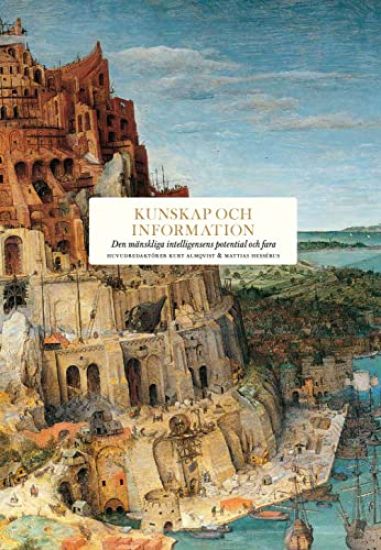
Kunskap och information : den mänskliga intelligensen potential och fara

Kunskap och information : den mänskliga intelligensen potential och fara

Mark Pagel; Mark Plotkin; John Hemming; Jessica Frazier; Richard Miles; Erica Benner; Peter Burke; Nathan Shachar; Suzana Herculano-Houzel; Mariano Sigman; Martin Ingvar; Michael Goodman; Gill Bennett; Simon Mayall; Maria Borelius; Andrew Keen; Nicholas Carr; Peter Frankopan; Christopher Coker; Janne Haaland Matláry; Elisabeth Kendall; Clarie Lehmann; David Goodhart; Brendan O´Neill; Fraser Nelson; Iain Martin; Adrian Wooldridge; S.J. M. Antoni J. Ucerler

Bokförlaget Stolpe
2021
sidottu
Vi har kommit långt från de religioner, myter och grundarberättelser som lade grunden till människans tidiga förståelse av världen och allting i den, och våra kunskaper har på senare tid ökat exponentiellt. I den här boken diskuterar ledande forskare inom konst och vetenskap hur kunskap och information har bevarats och förmedlats i historien, vilket leder oss fram till dagens digitala tidsålder och de många utmaningar som den ställer oss inför, inte minst beträffande våra persondata. Kommer vårt informationssamhälle, under växande spänning mellan en kunskapselit och dem som känner sig utestängda från offentlig diskussion och beslutsfattande, liksom under ökad friktion om tolkningsfrihet och yttrandefrihet i den akademiska världen, att bli en upplysningstid eller går vi in i en ny mörk tid för kunskapen? Texterna i den här illustrerade antologin härrör från det internationellt välrenommerade Engelsbergsseminariet 2018. Huvudredaktörer är Kurt Almqvist och Mattias Hessérus.

Tillämpad historia : Klassiska texter

Tillämpad historia : Klassiska texter

Lord Acton; J.B. Bury; Herbert Butterfield; Johann Gustav Droysen; John Lewis Gaddis; Michael Howard; Friedrich Nietzsche; Leopold von Ranke; Benjamin F. Shambaugh; Philip Zelikow; Cory J. Clark; Gill Bennett

Bokförlaget Stolpe
2023
sidottu
Uppmaningen att lära av historien är välbekant. Men vad betyder det egentligen? Förespråkarna för tillämpad historia menar att historiska studier kan användas praktiskt och ge vägledning för framtiden. Beslutsfattare och politiker kan få perspektiv, hitta ledtrådar till vart en utveckling kan leda och bedöma vad ett agerande kan få för konsekvenser. Men den tillämpade historiens ökade popularitet skymmer det faktum att historiker ända sedan antikens Grekland har analyserat de stora politiska, ekonomiska och militära frågorna med liknande perspektiv och tankesätt. Varje generation historiker har utvecklat sin forskning på basis av tidigare idéer och kunskap med målet att förstå sin samtid genom att studera det förflutna. Klassiker inom tillämpad historia tar ett stort och ambitiöst grepp om hur historisk kunskap skapas, lärs ut och används under olika epoker. I boken presenteras ett brett urval av texter från till exempel Niccolò Machiavelli, E.H. Carr, Ernest May och Margaret MacMillan, som tillsammans skapar både överblick och insikt i detta ständigt aktuella ämne. Varje text introduceras och placeras i sitt historiska sammanhang av en nu verksam historiker.
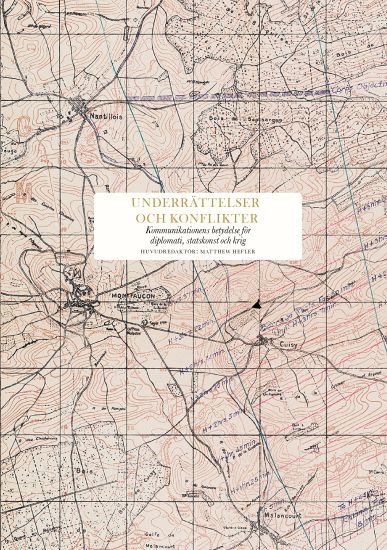
Underrättelser och konflikter : kommunikationens betydelse för diplomati, politik och krig

Underrättelser och konflikter : kommunikationens betydelse för diplomati, politik och krig

Calder Walton; Steven Wagner; Daniela Richterova; Suzanne Raine; Tony Ingesson; Matthew Hefler; Michael Goodman; Matthew Ford; John Ferris; Philip Davies; Sara B. Castro; Gill Bennett

Bokförlaget Stolpe
2025
sidottu
I en allt farligare värld har underrättelsetjänstens roll aldrig varit mer kritisk. Sverige och världen står inför allt fler alarmerande konflikter. Hemliga aktiviteter, oavsett om det är i form av subversion, desinformation eller hemliga operationer, är centrala i det internationella maktspelet. Det har aldrig varit viktigare att förstå värdet av underrättelsearbetets roll inom områdena diplomati, statskonst och krig. Denna högaktuella samling essäer samlar världsledande underrättelseforskare och tjänstemän från USA, Storbritannien, Kanada och Sverige för att bedöma hur information, både hemlig och offentlig, har påverkat konflikter från det analoga förflutna till det digitala nuet. Den utgör en diskussion om hur underrättelseverksamhet idag utövas för att stödja eller undergräva internationell säkerhet samt försöker utröna vad som är god praxis för politiker och beslutsfattare när de tillämpar historiens lärdomar för att förstå vår samtid. Boken finns även i engelsk utgåva.
Intelligence and contemporary conflict : communication in diplomacy, statecraft and war

Intelligence and contemporary conflict : communication in diplomacy, statecraft and war

Calder Walton; Steven Wagner; Daniela Richterova; Suzanne Raine; Tony Ingesson; Matthew Hefler; Michael Goodman; Matthew Ford; John Ferris; Philip Davies; Sara B. Castro; Gill Bennett

Bokförlaget Stolpe
2024
sidottu
I en allt farligare värld har underrättelsetjänstens roll aldrig varit mer kritisk. Sverige och världen står inför allt fler alarmerande konflikter. Hemliga aktiviteter, oavsett om det är i form av subversion, desinformation eller hemliga operationer, är centrala i det internationella maktspelet. Det har aldrig varit viktigare att förstå värdet av underrättelsearbetets roll inom områdena diplomati, statskonst och krig. Denna högaktuella samling essäer samlar världsledande underrättelseforskare och tjänstemän från USA, Storbritannien, Kanada och Sverige för att bedöma hur information, både hemlig och offentlig, har påverkat konflikter från det analoga förflutna till det digitala nuet. Den utgör en diskussion om hur underrättelseverksamhet idag utövas för att stödja eller undergräva internationell säkerhet samt försöker utröna vad som är god praxis för politiker och beslutsfattare när de tillämpar historiens lärdomar för att förstå vår samtid.
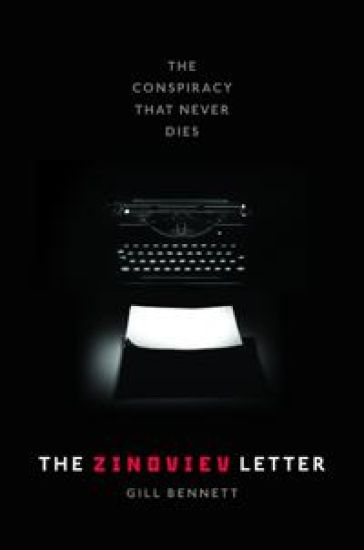
The Zinoviev Letter

The Zinoviev Letter

Gill Bennett

Oxford University Press
2020
nidottu
This is the story of one of the most enduring conspiracy theories in British politics, an intrigue that still has resonance almost a century later: the Zinoviev Letter of 1924. Almost certainly a forgery, no original has ever been traced, and even if genuine it was probably Soviet 'fake news'. Despite this, the Letter still haunts British politics nearly a century after it was written; it was the subject of major Whitehall investigations in the 1960s and 1990s, and cropped up in the media as recently as during the Referendum campaign and the 2017 general election. The Letter, encouraging the British proletariat to greater revolutionary fervour, was apparently sent by Grigori Zinoviev, head of the Bolshevik propaganda organization, to the British Communist Party in September 1924. Sent to London through British Secret Intelligence Service channels, it arrived during the general election campaign and was leaked to the press. The Letter's publication by the Daily Mail on 25 October 1924 just before the General Election humiliated the first ever British Labour government, headed by Ramsay MacDonald, when its political opponents used it to create a 'Red Scare' in the media. Labour blamed the Letter for its defeat, insisting there had been a right-wing Establishment conspiracy, and many in the Labour Party have never forgotten it. The Zinoviev Letter has long been a symbol of political dirty tricks and what we would now call 'fake news'. But it is also a gripping historical detective story of spies and secrets, fraud and forgery, international subversion and the nascent global conflict between communism and capitalism.
The Zinoviev Letter

The Zinoviev Letter

Gill Bennett

Oxford University Press
2018
sidottu
This is the story of one of the most enduring conspiracy theories in British politics, an intrigue that still has resonance nearly a century after it was written: the Zinoviev Letter of 1924. Almost certainly a forgery, no original has ever been traced, and even if genuine it was probably Soviet fake news. Despite this, the Letter still haunts British politics nearly a century after it was written, the subject of major Whitehall investigations in the 1960s and 1990s, and cropping up in the media as recently as during the Referendum campaign and the 2017 general election. The Letter, encouraging the British proletariat to greater revolutionary fervour, was apparently sent by Grigori Zinoviev, head of the Bolshevik propaganda organization, to the British Communist Party in September 1924. Sent to London through British Secret Intelligence Service channels, it arrived during the general election campaign and was leaked to the press. The Letter's publication by the Daily Mail on 25 October 1924 just before the General Election humiliated the first ever British Labour government, headed by Ramsay MacDonald, when its political opponents used it to create a 'Red Scare' in the media. Labour blamed the Letter for its defeat, insisting there had been a right-wing Establishment conspiracy, and many in the Labour Party have never forgotten it. The Zinoviev Letter has long been a symbol of political dirty tricks and what we would now call fake news. But it is also a gripping historical detective story of spies and secrets, fraud and forgery, international subversion and the nascent global conflict between communism and capitalism.
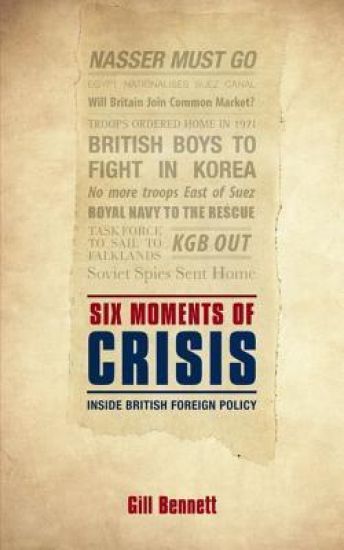
Six Moments of Crisis

Six Moments of Crisis

Gill Bennett

Oxford University Press
2014
nidottu
Former Whitehall insider Gill Bennett unravels the story of six crucial British foreign policy challenges since the Second World War, from the Korean War to the Falklands conflict, offering an inside account of episodes that shaped Britain's position in the world for decades to come - and in some cases still arouse controversy to this day. Lifting the lid on the making of British foreign policy from Clement Attlee to Margaret Thatcher, Bennett reveals each decision in a way that has never been done before: telling the story from the inside out and without hindsight. The result is a book that explains not just why these controversial decisions were taken, but one that shows us how history is actually made - and also just how difficult these big decisions really were. Gill Bennett considers exactly what ministers knew at the time; how personal experience, relationships, past events and prevailing circumstance influenced the decision-making process; and how the balance of history was tipped in each case: by argument, moral imperative, obligation - or even sheer force of personality.
Six Moments of Crisis

Six Moments of Crisis

Gill Bennett

Oxford University Press
2013
sidottu
Former Whitehall insider Gill Bennett unravels the story of six crucial British foreign policy challenges since the Second World War, from the Korean War to the Falklands conflict, offering an inside account of episodes that shaped Britain's position in the world for decades to come - and in some cases still arouse controversy to this day. Lifting the lid on the making of British foreign policy from Clement Attlee to Margaret Thatcher, Bennett reveals each decision in a way that has never been done before: telling the story from the inside out and without hindsight. The result is a book that explains not just why these controversial decisions were taken, but one that shows us how history is actually made - and also just how difficult these big decisions really were. Gill Bennett considers exactly what ministers knew at the time; how personal experience, relationships, past events and prevailing circumstance influenced the decision-making process; and how the balance of history was tipped in each case: by argument, moral imperative, obligation - or even sheer force of personality.
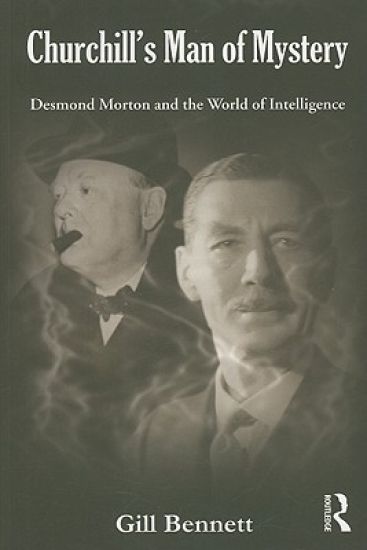
Churchill's Man of Mystery

Churchill's Man of Mystery

Gill Bennett

Routledge
2009
nidottu
The mysterious life and career of Desmond Morton, Intelligence officer and personal adviser to Winston Churchill during the Second World War, is exposed for the first time in this study based on full access to official records. After distinguished service as artillery officer and aide-de-camp to General Haig during the First World War, Morton worked for the Secret Intelligence Service from 1919-1934, and the fortunes of SIS in the interwar years are described here in unprecedented detail. As Director of the Industrial Intelligence Centre in the 1930s, Morton’s warnings of Germany’s military and industrial preparations for war were widely read in Whitehall, though they failed to accelerate British rearmament as much as Morton - and Churchill - considered imperative. Morton had met Churchill on the Western Front in 1916 and supported him throughout the ‘wilderness years’, moving to Downing Street as the Prime Minister’s Intelligence adviser in May 1940. There he remained in a liaison role, with the Intelligence Agencies and with Allied resistance authorities, until the end of the war, when he became a ‘troubleshooter’ for the Treasury in a series of tricky international assignments. Throughout Morton’s career, myth, rumour and deliberate obfuscation have created a misleading picture of his role and influence. This book shines a light into many hitherto shadowy corners of British history in the first half of the twentieth century.This book will be of great interest to scholars and informed lay readers with an interest in the Second World War, intelligence studies and the life of Winston Churchill.
Churchill's Man of Mystery

Churchill's Man of Mystery

Gill Bennett

Routledge
2006
sidottu
The mysterious life and career of Desmond Morton, Intelligence officer and personal adviser to Winston Churchill during the Second World War, is exposed for the first time in this study based on full access to official records. After distinguished service as artillery officer and aide-de-camp to General Haig during the First World War, Morton worked for the Secret Intelligence Service from 1919-1934, and the fortunes of SIS in the interwar years are described here in unprecedented detail. As Director of the Industrial Intelligence Centre in the 1930s, Morton’s warnings of Germany’s military and industrial preparations for war were widely read in Whitehall, though they failed to accelerate British rearmament as much as Morton - and Churchill - considered imperative. Morton had met Churchill on the Western Front in 1916 and supported him throughout the ‘wilderness years’, moving to Downing Street as the Prime Minister’s Intelligence adviser in May 1940. There he remained in a liaison role, with the Intelligence Agencies and with Allied resistance authorities, until the end of the war, when he became a ‘troubleshooter’ for the Treasury in a series of tricky international assignments. Throughout Morton’s career, myth, rumour and deliberate obfuscation have created a misleading picture of his role and influence. This book shines a light into many hitherto shadowy corners of British history in the first half of the twentieth century.This book will be of great interest to scholars and informed lay readers with an interest in the Second World War, intelligence studies and the life of Winston Churchill.