Kirjojen hintavertailu. Mukana 12 182 096 kirjaa ja 12 kauppaa.
Kirjailija
Gill Hague
Kirjat ja teokset yhdessä paikassa: 10 kirjaa, julkaisuja vuosilta 2001-2021, suosituimpien joukossa Understanding Adult Survivors of Domestic Violence in Childhood. Vertaile teosten hintoja ja tarkista saatavuus suomalaisista kirjakaupoista.
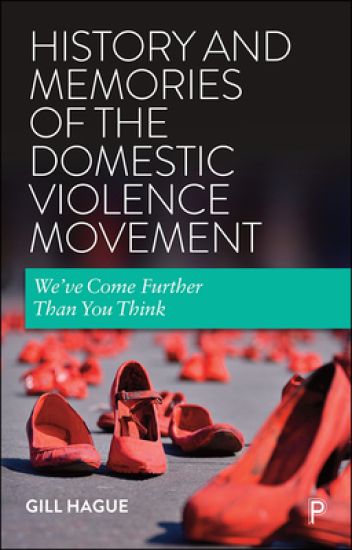
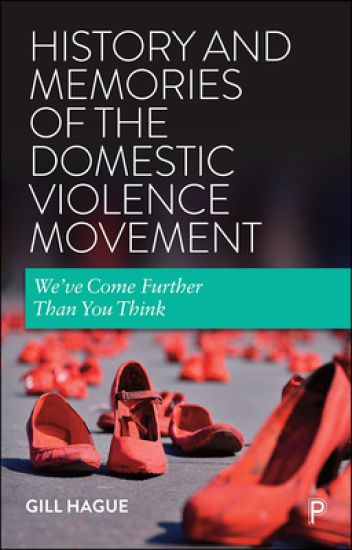
Acclaimed activist and scholar Gill Hague recounts the inspiring story of the domestic violence movement in the UK and beyond from the 1960s onwards in this captivating book. Memories, poems and interviews with activists, practitioners and abuse survivors shed new light on a period of immense change, shaped by a generation of feminist pioneers. From the women’s liberation movement until now, this book showcases the campaigning zeal with which policies, services and awareness-raising on gendered violence in the UK and across the world were built, including for Black and minority women. This fascinating history will inform and inspire new ways forward within the domestic violence movement.
Acclaimed activist and scholar Gill Hague recounts the inspiring story of the domestic violence movement in the UK and beyond from the 1960s onwards in this captivating book. Memories, poems and interviews with activists, practitioners and abuse survivors shed new light on a period of immense change, shaped by a generation of feminist pioneers. From the women’s liberation movement until now, this book showcases the campaigning zeal with which policies, services and awareness-raising on gendered violence in the UK and across the world were built, including for Black and minority women. This fascinating history will inform and inspire new ways forward within the domestic violence movement.
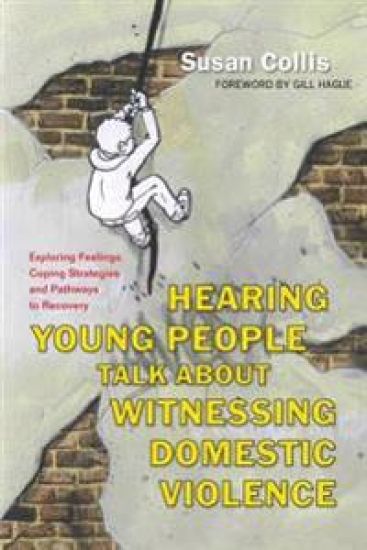
At least 750,000 children a year worldwide witness domestic violence. These children grow up with an increased risk of developing symptoms associated with trauma and behavioural and mental health problems.This book explores the cases of five young people who have been victims of domestic violence. Allowing the young people to speak out in their own voices, it provides deep insight into how their experiences have affected their emotional behaviour, the complexities of issues related to it and those aspects of support which provide the greatest benefit to them. Drawing on her own personal experience of domestic violence as well as her professional expertise, the author emphasizes the importance of giving voice to victims of domestic violence and highlights the importance of acknowledging the emotional and spiritual lives of victims in order to provide holistic support and understanding, and it's potential to instigate healing.Hearing Young People Talk About Witnessing Domestic Violence is a vital resource for mental health professionals, social care workers, school counsellors and all professionals working in the field of domestic abuse.
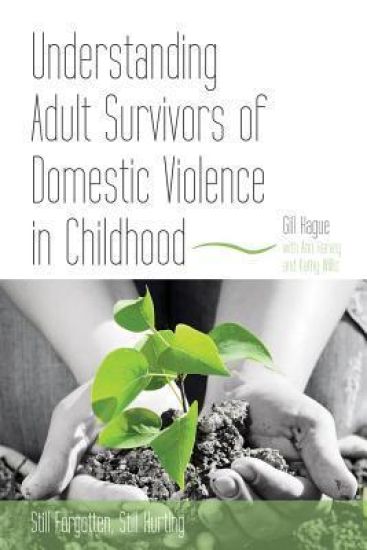
Domestic violence experienced in childhood continues to have an enduring emotional impact into adulthood. The scars it leaves can impact on family lives, employment, and long-term emotional and mental health.This book explores the experiences of adult survivors of domestic violence in childhood. The authors draw on many years' experience at the forefront of the field to bring together current research, best practice guidance for those working with both adults and children, personal testimonies and creative writing from survivors. The book addresses how to work with children exposed to domestic violence to address the issues before they grow up, as well as guidance on working with adult survivors. The personal accounts and poems make real the research and practice guidance. This important book will be essential reading for all those working with survivors of domestic violence in childhood, including counsellors, social workers and therapists, as well as students, academics and policy makers.
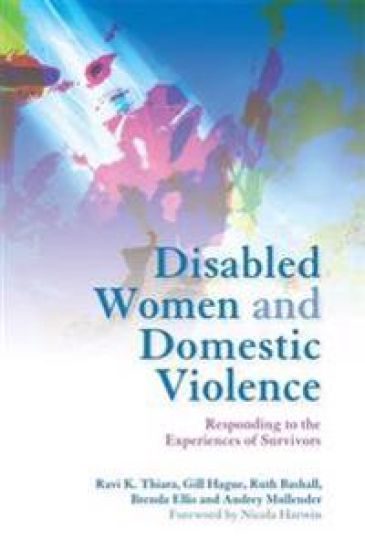
Domestic violence is encountered by disabled women more frequently than non-disabled women, yet disabled women are less likely to receive appropriate services, and there has been little research on their experiences and how this problem can be addressed.This book, drawing on the first UK national study of disabled women who have suffered domestic violence, highlights the experiences of these women, the nature of the violence perpetrated against them, and the seriousness and range of its impacts. The book draws attention to the gaps in services for disabled women and discusses how professional responses should be developed and improved, pointing to current examples of good practice. It includes first-hand accounts from disabled women and includes contributions from leading disabled women activists.This book will be important reading for students, practitioners, policymakers and academics in the fields of disability and domestic violence.
Domestic violence is in the public eye as never before, but how often are abused women consulted or involved in the new services and policies? This book investigates, and reveals that the voices of survivors of domestic violence are often simply not heard; silenced, the women themselves become invisible. Is Anyone Listening? draws on the experiences of other service user movements to provide a strong conceptual framework for thinking about abused women's participation in policy and service development. It discusses empowerment issues and the women's movement against gender violence, exploring how far refuge organisations and other women's movement services have influenced statutory services and vice versa. It includes many practical ideas for involving women in the improvement of both policy and practice and gives examples of inspiring and innovatory projects.Based on a study carried out as part of the Economic and Social Research Council's Violence Research Programme, Is Anyone Listening? offers a unique analysis of the sensitive and complex issues involved in developing service user participation within the domestic violence field. The insights it provides will enable policy-makers, activists, students, practitioners and women who have experienced domestic violence to move forward together.
Domestic violence is in the public eye as never before, but how often are abused women consulted or involved in the new services and policies? This book investigates, and reveals that the voices of survivors of domestic violence are often simply not heard; silenced, the women themselves become invisible. Is Anyone Listening? draws on the experiences of other service user movements to provide a strong conceptual framework for thinking about abused women's participation in policy and service development. It discusses empowerment issues and the women's movement against gender violence, exploring how far refuge organisations and other women's movement services have influenced statutory services and vice versa. It includes many practical ideas for involving women in the improvement of both policy and practice and gives examples of inspiring and innovatory projects.Based on a study carried out as part of the Economic and Social Research Council's Violence Research Programme, Is Anyone Listening? offers a unique analysis of the sensitive and complex issues involved in developing service user participation within the domestic violence field. The insights it provides will enable policy-makers, activists, students, practitioners and women who have experienced domestic violence to move forward together.
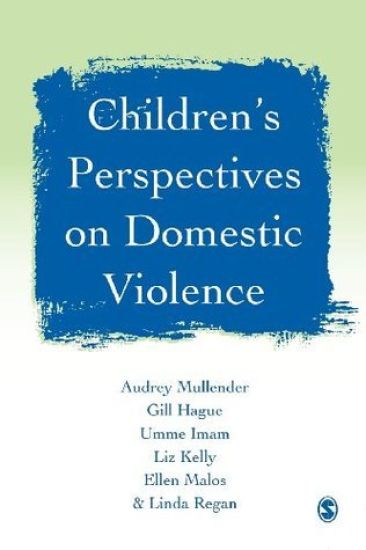
`The research methodology and the problems encountered when studying a subject such as domestic violence, coupled with the ethical problems of researching with children, are discussed at length in the book. This gives a good insight into the intricacies of conducting such a research study. The research looked not only at children who were known to have direct contact with domestic violence, but also what children in general thought and felt about domestic violence. The presentation of the findings, both in tabular and narrative form, was well presented' - Accident and Emergency Nursing Journal `This book offers accessible and interesting reading. It is well written as one would expect from these authors.... There are a lot of pointers for the way forward in terms of both policy and practice. This is likely to become a seminal text' - Research Policy and Planning 'This is a useful and challenging read for all of us who seek to work effectively and ethically in this complex area of practice' - Professional Social Work `Just looking at the authors of this book tells the reader that they are about to embark on a pioneering piece of academic research... a comprehensive and authoritative piece of work' - Domestic Abuse Quarterly `A vital tool for all those working with children' - ChildRight 'Written in a lucid style and is easy to read… it is essential reading for all students in social work undergraduate courses and also in post-qualifying courses on child welfare and protection. In addition professionals who are directly working in the area of child protection, schools and criminal justice settings would find this book informative and useful in understanding what children and young people want, and need, in relation to living in domestic violence situations' - Child and Family Social Work 'This book is powerfully written and is essential reading for professional working with and supporting abused women and their children. Its groundbreaking focus on children's experiences adds much to our understanding of the complexities of domestic violence' - Journal of Family Studies 'A treasure-chest of rich, diverse and powerful extracts from children and young people… in particular the material presented on different coping strategies used by children who have experienced domestic violence is an important contribution to an area about which very little is known' - Adoption and Fostering Journal How do children who live with domestic violence cope? How do they make sense of their experiences? Do they receive the right sort of help from formal and informal sources? Drawing on the newest research designed to hear the voices of children and young people, this important book examines children's experiences and perspectives on living with domestic violence. The authors explore: - the effect of domestic violence on children - what children say would help them most in coping with domestic violence - the advice children would offer other children who find themselves in similar circumstances, their mothers and the helping professions. This accessible book written for students, their teachers, researchers and all those working with children - across social work, health, child psychology and psychiatry, the law and education - will provide a vital insight into children's own perspectives on domestic violence.
`The research methodology and the problems encountered when studying a subject such as domestic violence, coupled with the ethical problems of researching with children, are discussed at length in the book. This gives a good insight into the intricacies of conducting such a research study. The research looked not only at children who were known to have direct contact with domestic violence, but also what children in general thought and felt about domestic violence. The presentation of the findings, both in tabular and narrative form, was well presented' - Accident and Emergency Nursing Journal `This book offers accessible and interesting reading. It is well written as one would expect from these authors.... There are a lot of pointers for the way forward in terms of both policy and practice. This is likely to become a seminal text' - Research Policy and Planning 'This is a useful and challenging read for all of us who seek to work effectively and ethically in this complex area of practice' - Professional Social Work `Just looking at the authors of this book tells the reader that they are about to embark on a pioneering piece of academic research... a comprehensive and authoritative piece of work' - Domestic Abuse Quarterly `A vital tool for all those working with children' - ChildRight 'Written in a lucid style and is easy to read… it is essential reading for all students in social work undergraduate courses and also in post-qualifying courses on child welfare and protection. In addition professionals who are directly working in the area of child protection, schools and criminal justice settings would find this book informative and useful in understanding what children and young people want, and need, in relation to living in domestic violence situations' - Child and Family Social Work 'This book is powerfully written and is essential reading for professional working with and supporting abused women and their children. Its groundbreaking focus on children's experiences adds much to our understanding of the complexities of domestic violence' - Journal of Family Studies 'A treasure-chest of rich, diverse and powerful extracts from children and young people… in particular the material presented on different coping strategies used by children who have experienced domestic violence is an important contribution to an area about which very little is known' - Adoption and Fostering Journal How do children who live with domestic violence cope? How do they make sense of their experiences? Do they receive the right sort of help from formal and informal sources? Drawing on the newest research designed to hear the voices of children and young people, this important book examines children's experiences and perspectives on living with domestic violence. The authors explore: - the effect of domestic violence on children - what children say would help them most in coping with domestic violence - the advice children would offer other children who find themselves in similar circumstances, their mothers and the helping professions. This accessible book written for students, their teachers, researchers and all those working with children - across social work, health, child psychology and psychiatry, the law and education - will provide a vital insight into children's own perspectives on domestic violence.
There is widespread recognition among policy makers, professionals and activists in Britain that Canadian work on violence against women has been in the vanguard. However, as Canadian research can be difficult to access from the UK, many in this country are vague about the details. This report brings together 'state-of-the-art' accounts of Canadian approaches to violence against women and discusses them in the context of current UK policy. In particular, it looks at: refuges and women's services and campaigns; government responses and inter-agency approaches to challenging violence against women; law enforcement and legal reform; work with children and young people; the connection between research, activism and practice. Challenging violence against women is required reading for policy makers in government, statutory and voluntary sector agencies, for activists in the women's movement against rape, sexual assault and domestic violence, and for academics in Canadian studies, women's studies, criminology and the social sciences.