Kirjojen hintavertailu. Mukana 12 390 323 kirjaa ja 12 kauppaa.

Kirjailija

Ginger Nolan

Kirjat ja teokset yhdessä paikassa: 3 kirjaa, julkaisuja vuosilta 2018-2021, suosituimpien joukossa Savage Mind to Savage Machine. Vertaile teosten hintoja ja tarkista saatavuus suomalaisista kirjakaupoista.

3 kirjaa

Kirjojen julkaisuhaarukka 2018-2021.

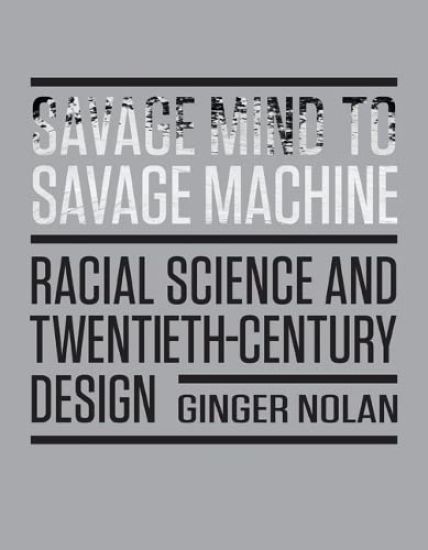
Savage Mind to Savage Machine

Savage Mind to Savage Machine

Ginger Nolan

University of Minnesota Press
2021
sidottu
An examination of how concepts of “the savage” facilitated technological approaches to modernist design Attempting to derive aesthetic systems from natural structures of human cognition, designers looked toward the “savage mind”-a way of thinking they associated with a racialized subaltern. In Savage Mind to Savage Machine, Ginger Nolan uncovers an enduring relationship between “the savage” and the development of technology and its wide-ranging impact on society, including in the fields of architecture and urbanism, the industrial arts, and digital design.Nolan focuses on the relationship between the applied arts and the structuralist social sciences, proposing that the late-nineteenth-century rise of Freudian psychology, ethnology, and structuralist linguistics offered innovations and new opportunities in studying human cognition. She looks at institutions ranging from the Public Industrial Arts School of Philadelphia and the Weimar Bauhaus to the MIT Media Lab and the Centre Mondial Informatique, revealing a persistent theme of twentieth-century design: to supplant language with more subliminal, aesthetic modes of communication, thereby inculcating a deep intimacy between human habit and new technologies of production, communication, and consumption.This book’s ultimate critique is of the development of the ergonomics of the spirit-the design of the human cognitive apparatus in relation to new aesthetic technologies. Nolan sees these ergonomics as a means of depoliticizing societies through aesthetic technologies intended to seamlessly integrate humans into the programs of capitalist modernity. Revising key modernist design narratives, Savage Mind to Savage Machine provides a deep historical foundation for understanding our contemporary world.
Savage Mind to Savage Machine

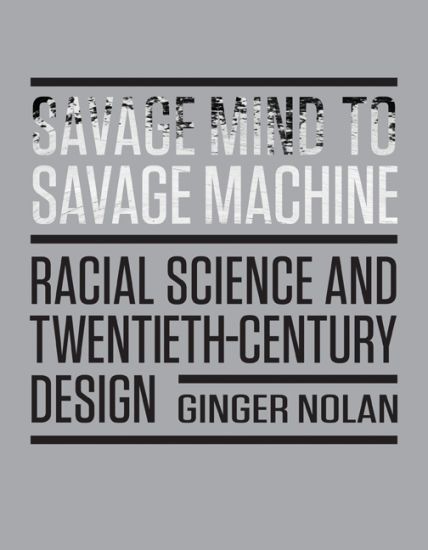
Savage Mind to Savage Machine

Ginger Nolan

University of Minnesota Press
2021
nidottu
An examination of how concepts of “the savage” facilitated technological approaches to modernist design Attempting to derive aesthetic systems from natural structures of human cognition, designers looked toward the “savage mind”-a way of thinking they associated with a racialized subaltern. In Savage Mind to Savage Machine, Ginger Nolan uncovers an enduring relationship between “the savage” and the development of technology and its wide-ranging impact on society, including in the fields of architecture and urbanism, the industrial arts, and digital design.Nolan focuses on the relationship between the applied arts and the structuralist social sciences, proposing that the late-nineteenth-century rise of Freudian psychology, ethnology, and structuralist linguistics offered innovations and new opportunities in studying human cognition. She looks at institutions ranging from the Public Industrial Arts School of Philadelphia and the Weimar Bauhaus to the MIT Media Lab and the Centre Mondial Informatique, revealing a persistent theme of twentieth-century design: to supplant language with more subliminal, aesthetic modes of communication, thereby inculcating a deep intimacy between human habit and new technologies of production, communication, and consumption.This book’s ultimate critique is of the development of the ergonomics of the spirit-the design of the human cognitive apparatus in relation to new aesthetic technologies. Nolan sees these ergonomics as a means of depoliticizing societies through aesthetic technologies intended to seamlessly integrate humans into the programs of capitalist modernity. Revising key modernist design narratives, Savage Mind to Savage Machine provides a deep historical foundation for understanding our contemporary world.
The Neocolonialism of the Global Village

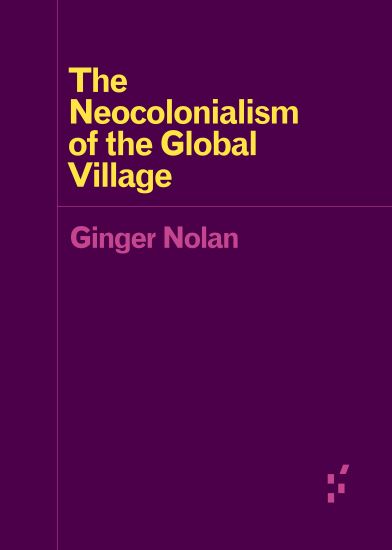
The Neocolonialism of the Global Village

Ginger Nolan

University of Minnesota Press
2018
pokkari
Uncovering a vast maze of realities in the media theories of Marshall McLuhan The term “global village”-coined in the 1960s by Marshall McLuhan-has persisted into the twenty-first century as a key trope of techno-humanitarian discourse, casting economic and technical transformations in a utopian light. Against that tendency, this book excavates the violent history, originating with techniques of colonial rule in Africa, that gave rise to the concept of the global village. To some extent, we are all global villagers, but given the imbalances of semiotic power, some belong more thoroughly than others. Reassessing McLuhan’s media theories in light of their entanglement with colonial and neocolonial techniques, Nolan implicates various arch-paradigms of power (including “terra-power”) in the larger prerogative of managing human populations.Forerunners: Ideas First is a thought-in-process series of breakthrough digital publications. Written between fresh ideas and finished books, Forerunners draws on scholarly work initiated in notable blogs, social media, conference plenaries, journal articles, and the synergy of academic exchange. This is gray literature publishing: where intense thinking, change, and speculation take place in scholarship.