Kirjojen hintavertailu. Mukana 12 390 323 kirjaa ja 12 kauppaa.

Kirjailija

Glauert Amanda

Kirjat ja teokset yhdessä paikassa: 2 kirjaa, julkaisuja vuosilta 1999-2006, suosituimpien joukossa Hugo Wolf and the Wagnerian Inheritance. Vertaile teosten hintoja ja tarkista saatavuus suomalaisista kirjakaupoista.

2 kirjaa

Kirjojen julkaisuhaarukka 1999-2006.

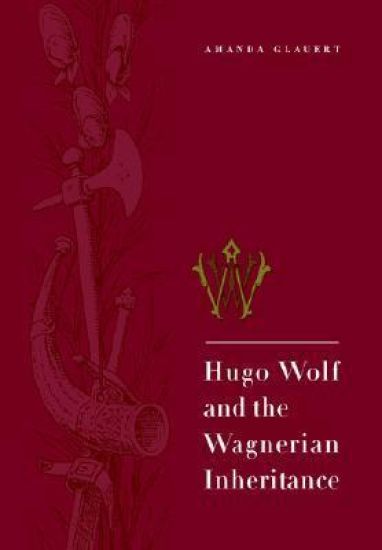
Hugo Wolf and the Wagnerian Inheritance

Hugo Wolf and the Wagnerian Inheritance

Glauert Amanda

Cambridge University Press
2006
pokkari
Wolf has been regarded as a composer who followed the style and aesthetics of Wagnerian music drama without question, while writing in a genre often seen as less challenging than the symphony or opera. This 1999 book re-examines the evidence concerning Wolf's responses to Wagner and Wagnerism and suggests ways in which he voiced his criticism through song, and his one completed opera Der Corregidor. This opens up insights into the kind of impact Wagner had on those following in his wake, and into the complexity and subtlety of the late nineteenth-century Lied. From this perspective, Wolf emerges as a persuasive and articulate figure of wide musical and artistic significance.
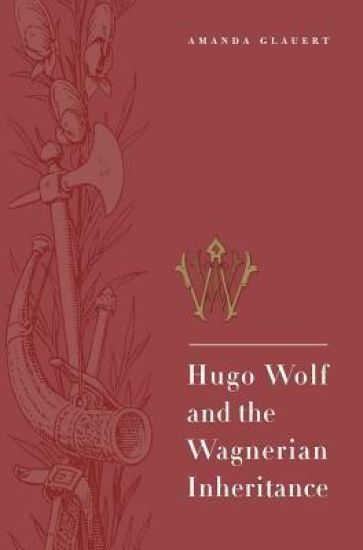
Hugo Wolf and the Wagnerian Inheritance

Hugo Wolf and the Wagnerian Inheritance

Glauert Amanda

Cambridge University Press
1999
sidottu
In spite of growing interest in the songs of Hugo Wolf, there is still a lack of serious critical discussion of the nature of his achievements, in particular his relationship to Richard Wagner. Wolf has been regarded as a composer who followed the style and aesthetics of Wagnerian music drama without question, while writing in a genre often seen as less challenging than the symphony or opera. This book re-examines the evidence concerning Wolf’s responses to Wagner and Wagnerism and suggests ways in which he voiced his criticism through song, and his one completed opera Der Corregidor. This opens up new insights into the kind of impact Wagner had on those following in his wake, and into the complexity and subtlety of the late nineteenth-century Lied. From this perspective, Wolf emerges as a persuasive and articulate figure, of wider musical and artistic significance than has yet been recognised.