Kirjojen hintavertailu. Mukana 12 390 323 kirjaa ja 12 kauppaa.

Kirjailija

Glenn D'Cruz

Kirjat ja teokset yhdessä paikassa: 7 kirjaa, julkaisuja vuosilta 2006-2024, suosituimpien joukossa Teaching Postdramatic Theatre. Vertaile teosten hintoja ja tarkista saatavuus suomalaisista kirjakaupoista.

Mukana myös kirjoitusasut: Glenn D’Cruz

7 kirjaa

Kirjojen julkaisuhaarukka 2006-2024.

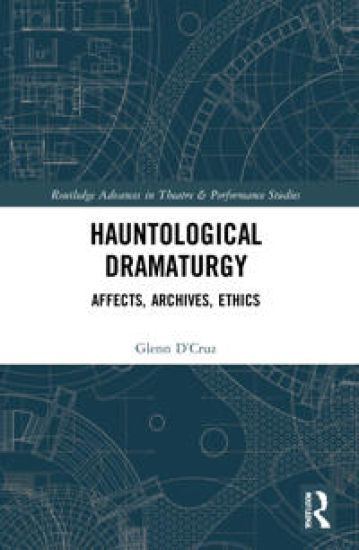
Hauntological Dramaturgy

Hauntological Dramaturgy

Glenn D’Cruz

TAYLOR FRANCIS LTD
2024
nidottu
This book is about some of the ways we remember the dead through performance. It examines the dramaturgical techniques and strategies that enable artists to respond to the imperative: ‘Remember Me’ – the command King Hamlet’s ghost gives to his son in Shakespeare’s famous tragedy, Hamlet. The book develops the concept of hauntological dramaturgy by engaging with a series of performances that commemorate, celebrate, investigate, and sometimes seek justice for the dead.It draws on three interrelated discourses on haunting: Derrida’s hauntology with its ethical exhortation to be with ghosts and listen to ghosts; Abraham and Torok’s psychoanalytic account of the role spectres play in the transmission of intergenerational trauma; and, finally, Mark Fisher's and Simon Reynolds’ development of Derrida’s ideas within the field of popular culture. Taken together, these writers, in different ways, suggest strategies for reading and creating performances concerned with questions of commemoration. Case studies focus on a set of known and unknown figures, including Ian Charleson, Spalding Gray and David Bowie.This study will be of great interest to students, scholars and practitioners working within theatre and performance studies as well as philosophy and cultural studies.
Hauntological Dramaturgy

Hauntological Dramaturgy

Glenn D’Cruz

TAYLOR FRANCIS LTD
2022
sidottu
This book is about some of the ways we remember the dead through performance. It examines the dramaturgical techniques and strategies that enable artists to respond to the imperative: ‘Remember Me’ – the command King Hamlet’s ghost gives to his son in Shakespeare’s famous tragedy, Hamlet. The book develops the concept of hauntological dramaturgy by engaging with a series of performances that commemorate, celebrate, investigate, and sometimes seek justice for the dead.It draws on three interrelated discourses on haunting: Derrida’s hauntology with its ethical exhortation to be with ghosts and listen to ghosts; Abraham and Torok’s psychoanalytic account of the role spectres play in the transmission of intergenerational trauma; and, finally, Mark Fisher's and Simon Reynolds’ development of Derrida’s ideas within the field of popular culture. Taken together, these writers, in different ways, suggest strategies for reading and creating performances concerned with questions of commemoration. Case studies focus on a set of known and unknown figures, including Ian Charleson, Spalding Gray and David Bowie.This study will be of great interest to students, scholars and practitioners working within theatre and performance studies as well as philosophy and cultural studies.
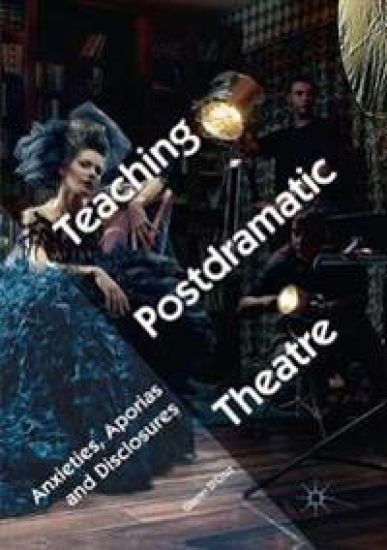
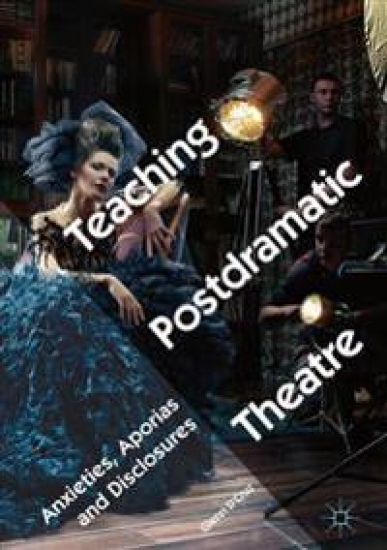
Teaching Postdramatic Theatre

Teaching Postdramatic Theatre

Glenn D'Cruz

Springer Nature Switzerland AG
2018
nidottu
This book explores the concept and vocabulary of postdramatic theatre from a pedagogical perspective. It identifies some of the major anxieties and paradoxes generated by teaching postdramatic theatre through practice, with reference to the aesthetic, cultural and institutional pressures that shape teaching practices. It also presents a series of case studies that identify the pedagogical fault lines that expose the power-relations inherent in teaching (with a focus on the higher education sector as opposed to actor training institutions). It uses auto-ethnography, performance analysis and critical theory to assist university teachers involved in directing theatre productions to deepen their understanding of the concept of postdramatic theatre.
Sarah Kane's 4.48 Psychosis

Sarah Kane's 4.48 Psychosis

Glenn D'Cruz

Routledge
2018
sidottu
"Everything passes/Everything perishes/Everything palls" – 4.48 PsychosisHow on earth do you award aesthetic points to a 75-minute suicide note? The question comes from a review of 4.48 Psychosis’ inaugural production, the year after Sarah Kane took her own life, but this book explores the ways in which it misses the point. Kane’s final play is much more than a bizarre farewell to mortality. It’s a work best understood by approaching it first and foremost as theatre – as a singular component in a theatrical assemblage of bodies, voices, light and energy. The play finds an unexpectedly close fit in the established traditions of modern drama and the practices of postdramatic theatre.Glenn D’Cruz explores this theatrical angle through a number of exemplary professional and student productions with a focus on the staging of the play by the Belarus Free Theatre (2005) and Melbourne’s Red Stitch Theatre (2007).
Teaching Postdramatic Theatre

Teaching Postdramatic Theatre

Glenn D'Cruz

Springer International Publishing AG
2018
sidottu
This book explores the concept and vocabulary of postdramatic theatre from a pedagogical perspective. It identifies some of the major anxieties and paradoxes generated by teaching postdramatic theatre through practice, with reference to the aesthetic, cultural and institutional pressures that shape teaching practices. It also presents a series of case studies that identify the pedagogical fault lines that expose the power-relations inherent in teaching (with a focus on the higher education sector as opposed to actor training institutions). It uses auto-ethnography, performance analysis and critical theory to assist university teachers involved in directing theatre productions to deepen their understanding of the concept of postdramatic theatre.
Sarah Kane's 4.48 Psychosis

Sarah Kane's 4.48 Psychosis

Glenn D'Cruz

Routledge
2018
nidottu
"Everything passes/Everything perishes/Everything palls" – 4.48 PsychosisHow on earth do you award aesthetic points to a 75-minute suicide note? The question comes from a review of 4.48 Psychosis’ inaugural production, the year after Sarah Kane took her own life, but this book explores the ways in which it misses the point. Kane’s final play is much more than a bizarre farewell to mortality. It’s a work best understood by approaching it first and foremost as theatre – as a singular component in a theatrical assemblage of bodies, voices, light and energy. The play finds an unexpectedly close fit in the established traditions of modern drama and the practices of postdramatic theatre.Glenn D’Cruz explores this theatrical angle through a number of exemplary professional and student productions with a focus on the staging of the play by the Belarus Free Theatre (2005) and Melbourne’s Red Stitch Theatre (2007).
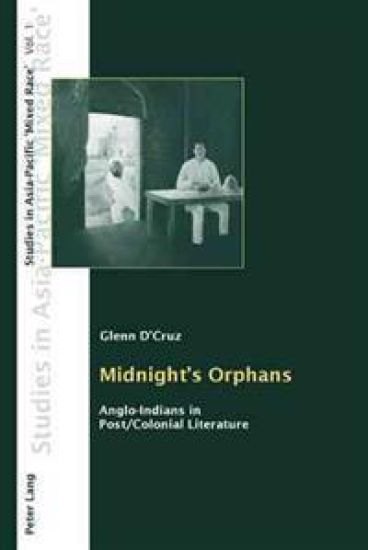
Midnight's Orphans

Midnight's Orphans

Glenn D'Cruz

Verlag Peter Lang
2006
nidottu
Anglo-Indians are the human legacy of European colonialism. These descendants of European men and Indian women regularly appear as disconsolate and degenerate figures in colonial and postcolonial literature, much to the chagrin of contemporary Anglo-Indians. Many significant writers, such as Rudyard Kipling, Maud Diver, John Masters, Salman Rushdie and Hari Kunzru, have created Anglo-Indian characters to represent the complex racial, social and political currents of India's colonial past and postcolonial present. This book is the first detailed study of Anglo-Indians in literature. Rather than simply dismissing the representation of Anglo-Indians in literary texts as offensive stereotypes, the book identifies the conditions for the emergence of these stereotypes through close readings of key novels, such as Bhowani Junction, Midnight's Children and The Impressionist. It also examines the work of contemporary Anglo-Indian writers such as Allan Sealy and Christopher Cyrill. Presenting a persuasive argument against 'image criticism', the book underscores the importance of contextualizing literary texts, and makes a timely contribution to debates about 'mixed race' identities, minoritarian literature and interculturalism.