Kirjojen hintavertailu. Mukana 12 595 353 kirjaa ja 12 kauppaa.

Kirjailija

Glenn R Kreider

Kirjat ja teokset yhdessä paikassa: 7 kirjaa, julkaisuja vuosilta 2004-2024, suosituimpien joukossa Prayer, Middle Knowledge, and Divine-Human Interaction. Vertaile teosten hintoja ja tarkista saatavuus suomalaisista kirjakaupoista.

Mukana myös kirjoitusasut: Glenn R. Kreider

7 kirjaa

Kirjojen julkaisuhaarukka 2004-2024.

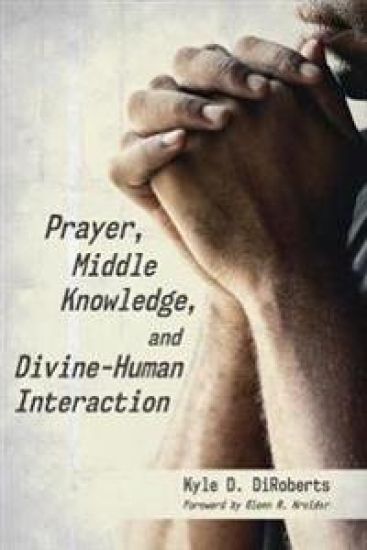
Prayer, Middle Knowledge, and Divine-Human Interaction

Prayer, Middle Knowledge, and Divine-Human Interaction

Kyle D Diroberts; Glenn R Kreider

Wipf Stock Publishers
2018
pokkari
Christians generally believe that in prayer they are free in their act to petition God. Christians also believe that they pray to a God that is sovereign and omniscient. Kyle DiRoberts maintains that explanation as to how one affirms these two truths is dependent upon one's account of divine providence, which determines how motivated the person is to offer petitionary prayer in the divine-human relationship. The theories of providence and their understanding of petitionary prayer discussed in this book include: compatibilism, hard determinism, open theism, and middle knowledge. Each of the theories of divine providence discussed in this book share a desire to construct a view concerning petitionary prayer that would propel the Christian toward God in relationship and then lead the body of Christ to pray without ceasing. DiRoberts argues that middle knowledge is the preferred theory of providence as it relates to petitionary prayer, because for middle knowledge, God's sovereignty includes both his omniscience and libertarian human freedom. "The theory of middle knowledge and its usefulness for understanding divine providence is growing in popularity among evangelicals. Its critics have complained that it is too philosophical and theoretical, and neither biblical nor applicable. DiRoberts' appropriation of middle knowledge in a biblical/theological understanding of petitionary prayer stands as an early installment in answer to that criticism." --John D. Laing, Southwestern Baptist Theological Seminary Kyle D. DiRoberts is Adjunct Professor at Phoenix Seminary and Grand Canyon University's College of Theology. He holds a PhD from Dallas Theological Seminary in Theological Studies.
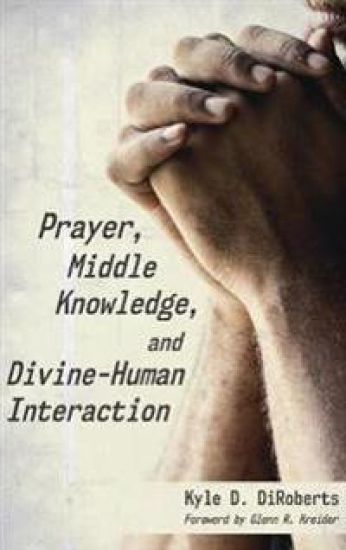
Prayer, Middle Knowledge, and Divine-Human Interaction

Prayer, Middle Knowledge, and Divine-Human Interaction

Kyle D Diroberts; Glenn R Kreider

Wipf Stock Publishers
2018
sidottu
Christians generally believe that in prayer they are free in their act to petition God. Christians also believe that they pray to a God that is sovereign and omniscient. Kyle DiRoberts maintains that explanation as to how one affirms these two truths is dependent upon one's account of divine providence, which determines how motivated the person is to offer petitionary prayer in the divine-human relationship. The theories of providence and their understanding of petitionary prayer discussed in this book include: compatibilism, hard determinism, open theism, and middle knowledge. Each of the theories of divine providence discussed in this book share a desire to construct a view concerning petitionary prayer that would propel the Christian toward God in relationship and then lead the body of Christ to pray without ceasing. DiRoberts argues that middle knowledge is the preferred theory of providence as it relates to petitionary prayer, because for middle knowledge, God's sovereignty includes both his omniscience and libertarian human freedom. ""The theory of middle knowledge and its usefulness for understanding divine providence is growing in popularity among evangelicals. Its critics have complained that it is too philosophical and theoretical, and neither biblical nor applicable. DiRoberts' appropriation of middle knowledge in a biblical/theological understanding of petitionary prayer stands as an early installment in answer to that criticism."" --John D. Laing, Southwestern Baptist Theological Seminary Kyle D. DiRoberts is Adjunct Professor at Phoenix Seminary and Grand Canyon University's College of Theology. He holds a PhD from Dallas Theological Seminary in Theological Studies.
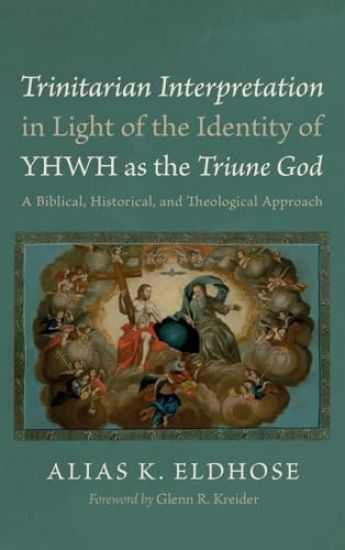
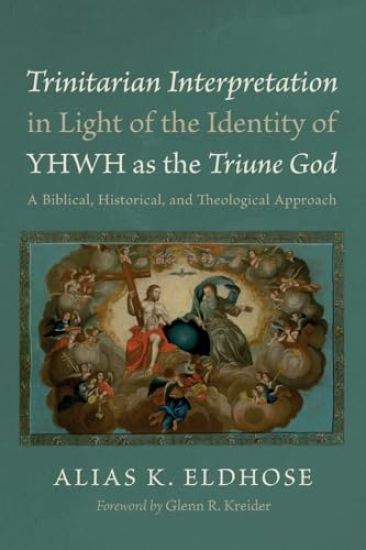
Trinitarian Interpretation in Light of the Identity of Yhwh as the Triune God

Trinitarian Interpretation in Light of the Identity of Yhwh as the Triune God

Alias K Eldhose; Glenn R Kreider

Wipf Stock Publishers
2024
sidottu
Have you ever wondered how to maintain an understanding of monotheism in light of the Christian understanding of the triune Godhead? Have you ever wondered about the identity of ""YHWH"" in the Old Testament? Have you identified YHWH as the first person of the Trinity as many in the Christian tradition have? If so, this book is for you. Many of the early Trinitarian heresies stemmed from a misunderstanding of YHWH in the Old Testament, especially identifying YHWH as one person and not multiple persons. This book addresses issues relating to the identity of YHWH in the Old Testament and makes the bold claim that YHWH is multiple persons in the OT and therefore, Father is YHWH, Jesus is YHWH, and the Holy Spirit is YHWH. This conclusion is based on sound exegesis of OT/NT passages, the early Christian understanding of God in the Old Testament, and the New Testament's identification of Jesus in the identity of YHWH. If identified thus, a Christian reading of the entirety of Scripture will take on new meaning, resulting in a robust Trinitarian interpretation of Scripture.
Trinitarian Interpretation in Light of the Identity of YHWH as the Triune God

Trinitarian Interpretation in Light of the Identity of YHWH as the Triune God

Alias K Eldhose; Glenn R Kreider

Wipf Stock Publishers
2024
pokkari
Have you ever wondered how to maintain an understanding of monotheism in light of the Christian understanding of the triune Godhead? Have you ever wondered about the identity of ""YHWH"" in the Old Testament? Have you identified YHWH as the first person of the Trinity as many in the Christian tradition have? If so, this book is for you. Many of the early Trinitarian heresies stemmed from a misunderstanding of YHWH in the Old Testament, especially identifying YHWH as one person and not multiple persons. This book addresses issues relating to the identity of YHWH in the Old Testament and makes the bold claim that YHWH is multiple persons in the OT and therefore, Father is YHWH, Jesus is YHWH, and the Holy Spirit is YHWH. This conclusion is based on sound exegesis of OT/NT passages, the early Christian understanding of God in the Old Testament, and the New Testament's identification of Jesus in the identity of YHWH. If identified thus, a Christian reading of the entirety of Scripture will take on new meaning, resulting in a robust Trinitarian interpretation of Scripture.
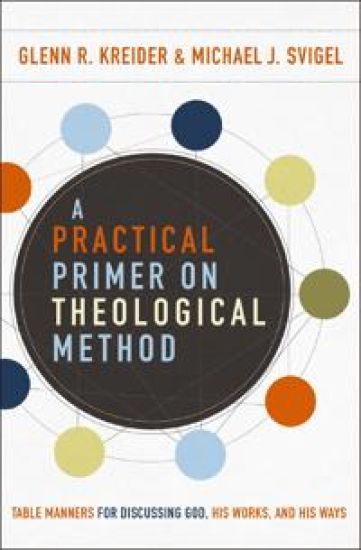
A Practical Primer on Theological Method

A Practical Primer on Theological Method

Glenn R. Kreider; Michael J. Svigel

Zondervan
2019
nidottu
Around a table sit men and women with distinct roles: The Interpreter, the Theologian, the Virtuous, the Philosopher, the Scientist, the Artist, the Minister, and the Historian. Each is ready to engage in a passionate discussion centered on God, his works, and his ways. Regardless of which role you play at the same table, you're invited. You simply need to pull up a chair and join the conversation. But how? What do you say when you take your seat? Where do you start? What are the "rules" of the dialogue?A Practical Primer on Theological Method will help you answer these questions. This primer is not only a "how-to" manual for doing theology, but a handbook of etiquette for doctrinal discussions with other believers. This popular-level introductory text presents the proper manner, mode, and means of engaging fruitfully in theology.
Jonathan Edwards' Interpretation of Revelation 4:1-8:1

Jonathan Edwards' Interpretation of Revelation 4:1-8:1

Glenn R. Kreider

University Press of America
2004
nidottu
The Bible was at the center of Jonathan Edwards' intellectual and ministerial life. As an eighteenth century theologian-pastor, the Scriptures were the focus of his work and the perspective through which he viewed his world. Edwards had a particular interest in the interpretation of the Apocalypse, devoting a notebook to the collection of observations and thoughts from his reading and reflection. This book examines Edwards' interpretation of Revelation 4-8 as seen in his working notebooks and theological treatises and sermons and then compares his views with some of his major contemporary biblical interpreters. Edwards employs a typological hermeneutical method, arguing that typology is the language God uses to communicate and this language can be learned both from explicit typology in Scripture as well as from the biblical author's implicit use of types. In the application of this typological hermeneutics, Edwards not only interprets all of Scripture Christologically, but also views the natural world and secular history as types of Christ.