Kirjojen hintavertailu. Mukana 12 464 156 kirjaa ja 12 kauppaa.

Kirjailija

Gordon D. Webster

Kirjat ja teokset yhdessä paikassa: 5 kirjaa, julkaisuja vuosilta 2014-2022, suosituimpien joukossa Signal Boxes and Semaphores. Vertaile teosten hintoja ja tarkista saatavuus suomalaisista kirjakaupoista.

5 kirjaa

Kirjojen julkaisuhaarukka 2014-2022.

Renewing Britain's Railways: Cumbria to Tyneside

Renewing Britain's Railways: Cumbria to Tyneside

Gordon D. Webster

AMBERLEY PUBLISHING
2022
nidottu
Gordon D. Webster’s latest title examines the renewal – and revival – of railways in the north of England. In 2020, the Covid-19 pandemic changed the role of train travel in Britain forever. Gone were the swarms of rush-hour commuters to the city and the tourist season was dealt a very swift blow. New trains and new franchises signalled a new era on the East and West Coast main lines, only for trains to run empty as an emergency timetable took hold. Across the Pennines, the famous Settle & Carlisle line was devoid of its usual summer charter traffic, though ‘Staycation Express’ loco-hauled services proved a success. This photographic collection looks at the rails of the north before and after the pandemic in all their scenic glory. It also covers the heritage steam railways, which faced their biggest ever challenge during this extraordinary period in history.
Renewing Britain's Railways: Scotland

Renewing Britain's Railways: Scotland

Gordon D. Webster

Amberley Publishing
2019
nidottu
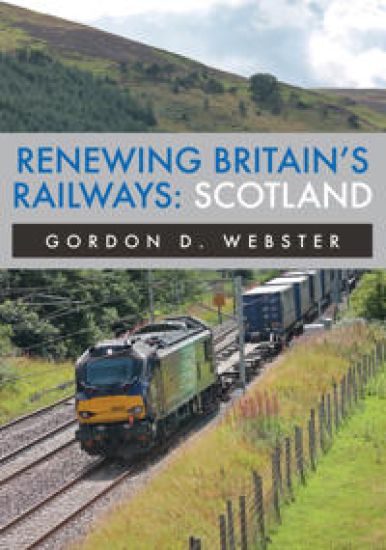
It’s an exciting time on Scotland’s railways, with new trains meaning faster journey times. The popular ‘InterCity’ brand has been revived and electrification has spread across the Central Belt. The rural routes have changed little, but are now marketed by ScotRail as ‘Great Scenic Railways’. Older traction is being withdrawn or cascaded elsewhere, but this is proving less than straightforward. Electric Multiple Units have had to be transferred north from London to cover stock shortages, while loco haulage survives in Fife to alleviate rush-hour overcrowding. Freight locomotives have appeared on passenger workings. The train operating companies have also turned to veteran tried-and-tested designs such as HSTs and Class 73s to move forward. This book studies the recent rail developments north of the border, as we journey from the cities to some of the most beautifully scenic lines in Britain, showcasing the colourful liveries on display on both freight and passenger trains.
Signal Boxes and Semaphores

Signal Boxes and Semaphores

Gordon D. Webster

Amberley Publishing
2016
nidottu
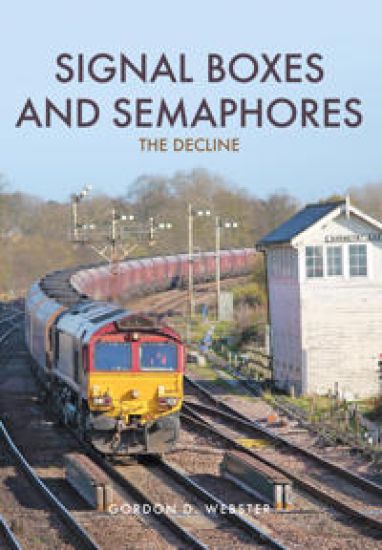
Mechanical signal boxes and semaphore signals are the last vestige of Victorian technology still to be found on Britain’s railways. Still surviving against all the odds in a digital era, only a few hundred ‘boxes’ remain in use out of the 10,000 originally built to control train movements across every inch of the network. Sadly, almost all of them are to be abolished within the next decade and replaced by twelve computerised Regional Operating Centres. The old system is still alive and well throughout a number of locations seemingly lost in time, from the remote Scottish Highlands to the busy Great Western main line. The world’s largest ‘box’ at Shrewsbury – containing 180 levers – contrasts with many tiny level crossing cabins in Yorkshire, while single-track electric token systems have also remarkably stood the test of time on some secondary routes. In this book, Gordon D. Webster looks at the last signal boxes and semaphores with a vast selection of photographs, showing the various trains that pass in an intriguing blend of old and new. Interior views are included, showing the traditional working environment of the signalman which will also soon be lost forever.
The Railways of Glasgow

The Railways of Glasgow

Gordon D. Webster

The History Press Ltd
2014
nidottu
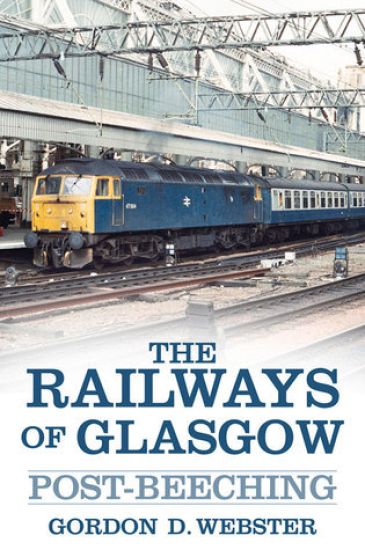
The city of Glasgow, formerly one of the largest industrial centres in the world, was once responsible for building about one-quarter of the world's railway locomotives. This was complemented by a massive urban railway network: the second largest in the UK. However, the Beeching Report of 1963 inevitably took its toll on Glasgow. This book examines the changing face of Glasgow's railways ever since that infamous report, starting with the period of rationalisation and industrial decline that followed. It also explores the revival enjoyed in the last few decades, with lines reopened and modern rolling stock introduced. Furthermore, with Glasgow hosting the 2014 Commonwealth Games, it looks at the emphasis being placed on the railway as further development work takes place.
The West Highland Lines

The West Highland Lines

Gordon D. Webster

The History Press Ltd
2014
nidottu
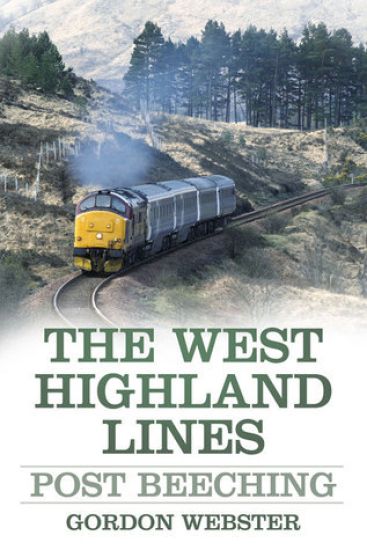
The railway lines of the West Highlands of Scotland are famous the world over for their illustrious history and unparalleled scenic beauty. Linking Glasgow with Oban, Fort William and Mallaig, the lines managed to survive the axe of Dr Beeching, whose infamous report forced the closure of almost a third of Britain’s railways in the 1960s. With a detailed look at the routes, their workings and rolling stock since then, Webster examines how the West Highland network has gone on to prosper to the present day. Despite Beeching, British Rail’s rationalisation, privatisation, fluctuating freight traffic levels and economic downturn, the network retained its unique infrastructure in the modern age. Today the use of modern traction, together with the return of steam-hauled trains, has added yet another dimension to this wonderful scenic route.