
Kirjojen hintavertailu. Mukana 12 390 323 kirjaa ja 12 kauppaa.

Kirjailija

Grace E. Howard

Kirjat ja teokset yhdessä paikassa: 6 kirjaa, julkaisuja vuosilta 2017-2026, suosituimpien joukossa What Do We Know and What Should We Do About… Abortion?. Vertaile teosten hintoja ja tarkista saatavuus suomalaisista kirjakaupoista.

Mukana myös kirjoitusasut: Grace E Howard

6 kirjaa

Kirjojen julkaisuhaarukka 2017-2026.

What Do We Know and What Should We Do About… Abortion?

What Do We Know and What Should We Do About… Abortion?

Tanya Saroj Bakhru; Grace E Howard

SAGE PUBLICATIONS LTD
2026
sidottu
Abortion is a critical health care issue that demands informed discourse and action. This book explores the complexities of abortion through a social science lens, empowering readers to understand the lived realities of individuals accessing abortion services. It delves into the historical, cultural, and technological shifts that shape perceptions of abortion, while emphasizing the urgent need for equitable access to safe services. In this book, you will encounter: An interdisciplinary approach that combines fields such as sociology, public health, and law, enhancing your understanding of abortion’s societal implications; Global perspectives on abortion practices in countries like India, Ireland and South Korea, equipping you to engage in informed discussions about reproductive rights worldwide; Case studies of successful advocacy, illustrating how human rights frameworks can drive meaningful policy change. This book is aimed at students, activists, and anyone seeking a deeper understanding of abortion in today’s world. The What Do We Know and What Should We Do About...? series offers readers short, up-to-date overviews of key issues often misrepresented, simplified or misunderstood in modern society and the media. Each book is written by a leading social scientist with an established reputation in the relevant subject area. "If you want to learn a lot about what matters most, in as short a time as possible, this is the series for you." – Danny Dorling, Halford Mackinder Professor of Geography, University of Oxford

What Do We Know and What Should We Do About… Abortion?

What Do We Know and What Should We Do About… Abortion?

Tanya Saroj Bakhru; Grace E Howard

SAGE PUBLICATIONS LTD
2026
nidottu
Abortion is a critical health care issue that demands informed discourse and action. This book explores the complexities of abortion through a social science lens, empowering readers to understand the lived realities of individuals accessing abortion services. It delves into the historical, cultural, and technological shifts that shape perceptions of abortion, while emphasizing the urgent need for equitable access to safe services. In this book, you will encounter: An interdisciplinary approach that combines fields such as sociology, public health, and law, enhancing your understanding of abortion’s societal implications; Global perspectives on abortion practices in countries like India, Ireland and South Korea, equipping you to engage in informed discussions about reproductive rights worldwide; Case studies of successful advocacy, illustrating how human rights frameworks can drive meaningful policy change. This book is aimed at students, activists, and anyone seeking a deeper understanding of abortion in today’s world. The What Do We Know and What Should We Do About...? series offers readers short, up-to-date overviews of key issues often misrepresented, simplified or misunderstood in modern society and the media. Each book is written by a leading social scientist with an established reputation in the relevant subject area. "If you want to learn a lot about what matters most, in as short a time as possible, this is the series for you." – Danny Dorling, Halford Mackinder Professor of Geography, University of Oxford
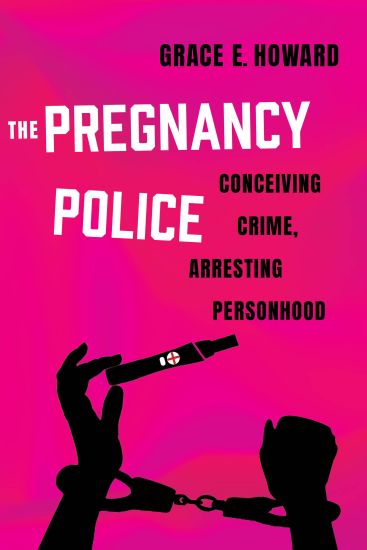
The Pregnancy Police

The Pregnancy Police

Grace E. Howard

University of California Press
2024
pokkari
Decades before the overturning of Roe v. Wade, pregnant people faced arrest and prosecution for supposed crimes against the fertilized eggs, embryos, and fetuses they gestated. The Pregnancy Police investigates the legal arguments undergirding these prosecutions and sheds much-needed light on the networks of health-care providers, social workers, and legal personnel participating in this ongoing surveillance and punishment of pregnant people. Drawing on detailed analyses of legislation, statements from prosecutors and law enforcement, and records from over a thousand arrest cases, Grace E. Howard traces the long history of state attempts to regulate and control people who have the capacity for pregnancy—from the early twentieth century's white supremacist eugenics to the end of Roe and the ever-increasing criminalization of abortion across the United States.
The Pregnancy Police

The Pregnancy Police

Grace E. Howard

University of California Press
2024
sidottu
Decades before the overturning of Roe v. Wade, pregnant people faced arrest and prosecution for supposed crimes against the fertilized eggs, embryos, and fetuses they gestated. The Pregnancy Police investigates the legal arguments undergirding these prosecutions and sheds much-needed light on the networks of health-care providers, social workers, and legal personnel participating in this ongoing surveillance and punishment of pregnant people. Drawing on detailed analyses of legislation, statements from prosecutors and law enforcement, and records from over a thousand arrest cases, Grace E. Howard traces the long history of state attempts to regulate and control people who have the capacity for pregnancy—from the early twentieth century's white supremacist eugenics to the end of Roe and the ever-increasing criminalization of abortion across the United States.
The Gender of Crime

The Gender of Crime

Dana M. Britton; Shannon K. Jacobsen; Grace E. Howard

Rowman Littlefield
2017
nidottu
The Gender of Crime introduces readers to how gender shapes our understanding of every aspect of crime—from defining what crime is to governing how crime is punished. The second edition of this award-winning book maintains the accessible, reader-friendly narrative of the first edition with key updates and new material throughout, including increased focus on the intersections of race, class, gender, and sexuality in crime and punishment; more attention to LGBTQ issues; additional coverage of gender and crime on college campuses; and more. This dynamic and provocative book illustrates how gender is central to the definition, prosecution, and sentencing of crimes, that it shapes how victimization is experienced and understood, and how it structures the institutions of the criminal justice system and the experiences of workers within that system. The Gender of Crime demonstrates that crime, victimization, and crime control are never generic—they are instead produced and experienced by gendered (and raced, and classed, and sexualized) actors within contexts of social inequality. This book highlights key concepts and encourages readers to think through a range of compelling real-life examples, from school violence to corporate crime. The second edition of The Gender of Crime is essential reading for students of gender and sexuality, sociology, criminology, and criminal justice.
The Gender of Crime

The Gender of Crime

Dana M. Britton; Shannon K. Jacobsen; Grace E. Howard

Rowman Littlefield
2017
sidottu
The Gender of Crime introduces readers to how gender shapes our understanding of every aspect of crime—from defining what crime is to governing how crime is punished. The second edition of this award-winning book maintains the accessible, reader-friendly narrative of the first edition with key updates and new material throughout, including increased focus on the intersections of race, class, gender, and sexuality in crime and punishment; more attention to LGBTQ issues; additional coverage of gender and crime on college campuses; and more. This dynamic and provocative book illustrates how gender is central to the definition, prosecution, and sentencing of crimes, that it shapes how victimization is experienced and understood, and how it structures the institutions of the criminal justice system and the experiences of workers within that system. The Gender of Crime demonstrates that crime, victimization, and crime control are never generic—they are instead produced and experienced by gendered (and raced, and classed, and sexualized) actors within contexts of social inequality. This book highlights key concepts and encourages readers to think through a range of compelling real-life examples, from school violence to corporate crime. The second edition of The Gender of Crime is essential reading for students of gender and sexuality, sociology, criminology, and criminal justice.