Kirjojen hintavertailu. Mukana 12 390 323 kirjaa ja 12 kauppaa.

Kirjailija

Graham M. Schweig

Kirjat ja teokset yhdessä paikassa: 7 kirjaa, julkaisuja vuosilta 2005-2025, suosituimpien joukossa The Yoga of Love. Vertaile teosten hintoja ja tarkista saatavuus suomalaisista kirjakaupoista.

7 kirjaa

Kirjojen julkaisuhaarukka 2005-2025.

The Yoga of Love

The Yoga of Love

Graham M. Schweig

OXFORD UNIVERSITY PRESS INC
2025
nidottu
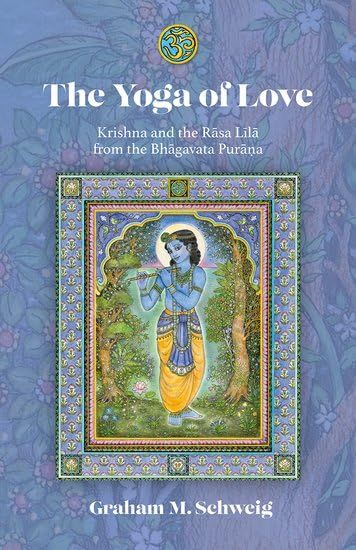
The heart of this book is a dramatic love poem, the Rasa Lila, which is the ultimate focal point of one of the most treasured Sanskrit texts of India, the Bhagavata Pura?a. Judged a literary masterpiece by Indian and Western scholars alike, this work of poetic genius and soaring religious vision is one of the world's greatest sacred love stories and, as Graham M. Schweig demonstrates, should be regarded as India's Song of Songs. The story presents the supreme deity as the youthful and amorous cowherd, Krishna, who sends out a love call to his maidens, inviting them to an enchanting and celebratory dance of divine love. In The Yoga of Love, Schweig translates the Rasa Lila and, through his commentaries, offers an exploration of its historical context, as well as an analysis of its aesthetic and emotional richness. He illuminates the religious and ethical nuances of the drama, drawing widely from the commentaries and esoteric vision of masters of the Chaitanya school of Vaishnavism, a prominent devotional Hindu tradition. Themes such as transcendence of death through love, the yoga of devotion, the contrast between worldly love and passionate love for God, and the dialectical tension between ethical boundaries and boundless love are presented. The final event of the Rasa dance, the author concludes, presents a dynamic symbol of supreme love that provides the basis for a theological vision of genuine religious pluralism.
The Yoga of Love

The Yoga of Love

Graham M. Schweig

OXFORD UNIVERSITY PRESS INC
2025
sidottu
The heart of this book is a dramatic love poem, the Rasa Lila, which is the ultimate focal point of one of the most treasured Sanskrit texts of India, the Bhagavata Pura?a. Judged a literary masterpiece by Indian and Western scholars alike, this work of poetic genius and soaring religious vision is one of the world's greatest sacred love stories and, as Graham M. Schweig demonstrates, should be regarded as India's Song of Songs. The story presents the supreme deity as the youthful and amorous cowherd, Krishna, who sends out a love call to his maidens, inviting them to an enchanting and celebratory dance of divine love. In The Yoga of Love, Schweig translates the Rasa Lila and, through his commentaries, offers an exploration of its historical context, as well as an analysis of its aesthetic and emotional richness. He illuminates the religious and ethical nuances of the drama, drawing widely from the commentaries and esoteric vision of masters of the Chaitanya school of Vaishnavism, a prominent devotional Hindu tradition. Themes such as transcendence of death through love, the yoga of devotion, the contrast between worldly love and passionate love for God, and the dialectical tension between ethical boundaries and boundless love are presented. The final event of the Rasa dance, the author concludes, presents a dynamic symbol of supreme love that provides the basis for a theological vision of genuine religious pluralism.
The Hindu Religious Tradition

The Hindu Religious Tradition

Thomas J. Hopkins; Graham M. Schweig

TAYLOR FRANCIS LTD
2025
sidottu
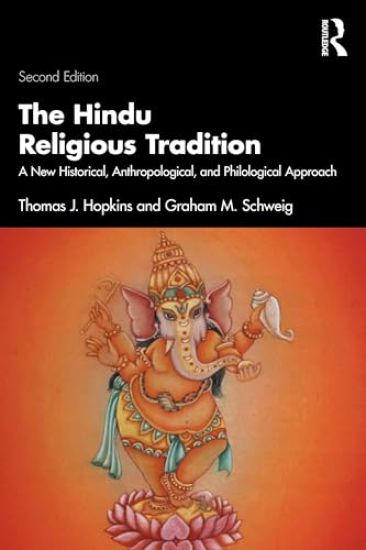
The Hindu Religious Tradition by Thomas J. Hopkins, originally published in 1971, provided a comprehensive survey of Hindu development from the Indus civilization to the present. This new edition incorporates up-to-date scholarship to provide a more complete history of India’s cultural and religious development, and is an invaluable resource for students in need of an introduction to the history and practice of Hinduism.In addition to textual analysis, this book offers a new approach to the study of Hinduism that reconstructs the history of India through an examination of scientific research on geography, archaeology, genetics, art history, linguistic and inscriptions, bringing to awareness the ways that patterns of cultural development, migration, kingship, and technology impacted the synthesis and integration of a wide range beliefs and practices into what we call Hinduism today. Extending beyond the borders of present-day India, The Hindu Religious Tradition shows how Hinduism was influenced by other civilizations in modern day Greece and Iran, and how it influenced them as well. This volume will provide new students of Indian religion with a detailed understanding of Hinduism’s rich history and scriptural canons, and it will provide scholars of Hinduism with a fresh perspective rooted in historical detail, offering both a more complete picture of how the Hindu religion is a network of beliefs and practices drawn from multiple civilizations and cultures over its vast history.
The Hindu Religious Tradition

The Hindu Religious Tradition

Thomas J. Hopkins; Graham M. Schweig

TAYLOR FRANCIS LTD
2025
nidottu
The Hindu Religious Tradition by Thomas J. Hopkins, originally published in 1971, provided a comprehensive survey of Hindu development from the Indus civilization to the present. This new edition incorporates up-to-date scholarship to provide a more complete history of India’s cultural and religious development, and is an invaluable resource for students in need of an introduction to the history and practice of Hinduism.In addition to textual analysis, this book offers a new approach to the study of Hinduism that reconstructs the history of India through an examination of scientific research on geography, archaeology, genetics, art history, linguistic and inscriptions, bringing to awareness the ways that patterns of cultural development, migration, kingship, and technology impacted the synthesis and integration of a wide range beliefs and practices into what we call Hinduism today. Extending beyond the borders of present-day India, The Hindu Religious Tradition shows how Hinduism was influenced by other civilizations in modern day Greece and Iran, and how it influenced them as well. This volume will provide new students of Indian religion with a detailed understanding of Hinduism’s rich history and scriptural canons, and it will provide scholars of Hinduism with a fresh perspective rooted in historical detail, offering both a more complete picture of how the Hindu religion is a network of beliefs and practices drawn from multiple civilizations and cultures over its vast history.
Bhagavad Gita Concordance

Bhagavad Gita Concordance

Graham M. Schweig

Columbia University Press
2024
sidottu
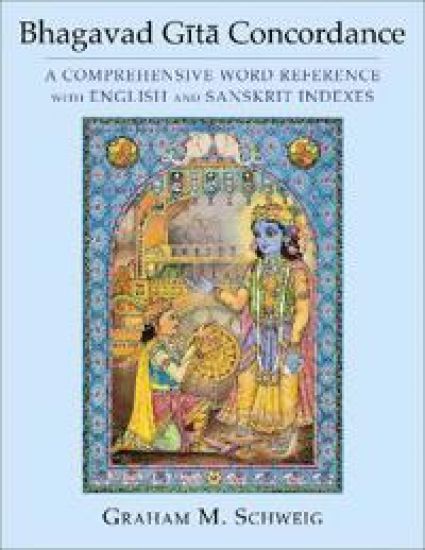
Winner, 2024 Book Award, Dharma Academy of North AmericaThe Bhagavad Gita is one of the treasures of world culture. Sacred in India, and beloved to hundreds of millions throughout the centuries and around the world, it is the best-known of all Sanskrit works in the West. There has been sustained interest in the Bhagavad Gita for several centuries in the Anglophone world, and well over one hundred complete English translations have been published.This book presents the first comprehensive and accessible concordance of the Bhagavad Gita. The concordance lists every word of the original, noting all its locations and instances within the text, along with related words. It is accompanied by various supportive references, including Sanskrit and English indexes. The concordance can be linked with any translation, giving readers in-depth access to the Sanskrit text.This book is designed for those with little or no knowledge of Sanskrit as well as those familiar with the original text. It allows readers to gain a greater reach into the Bhagavad Gita and achieve a deeper understanding of its ideas, facilitating nuanced analyses of the text and its language. It is an essential reference for scholars, teachers, students, and other readers interested in India’s spiritual classics.
Bhagavad Gita

Bhagavad Gita

Graham M. Schweig

HarperOne
2010
nidottu
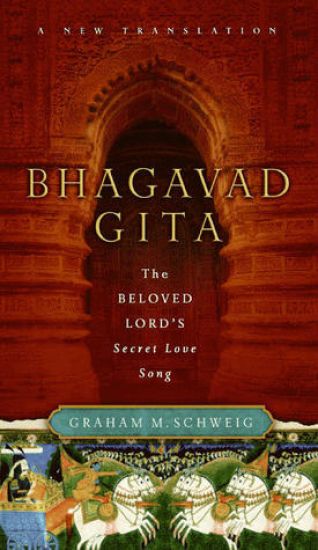
Often thought of as the Bible of India, "The Bhagavad Gita" is the most important sacred text of Hinduism, and the third most important among world scriptures, after the Bible and the Qur'an. It tells the story of the moral struggles of the warrior Arjuna, who, before the start of a great battle between good and evil, discusses the big questions of life and death with his charioteer who is (unbeknownst to Arjuna) the Hindu god Krishna in disguise. This masterful translation of a classic text includes the following key features: fresh, easy-to-read translation in free verse form; beautiful edition - elegant jacket, interior design, and ribbon marker; short introduction, allowing the reader to jump right into the text; annotations at the foot of the page to explain foreign concepts or terms; extensive concluding essay for deeper understanding of the text; and, glossary of religious terms and Sanskrit words.
Dance of Divine Love

Dance of Divine Love

Graham M. Schweig

Princeton University Press
2005
sidottu
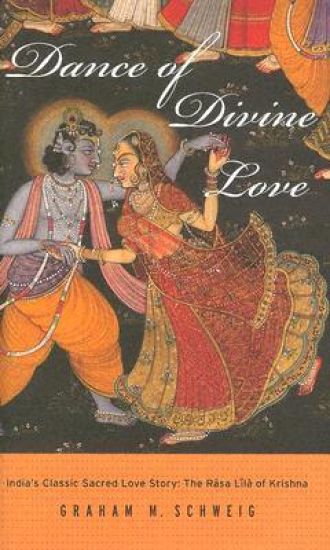
The heart of this book is a dramatic love poem, the Rasa Lila, which is the ultimate focal point of one of the most treasured Sanskrit texts of India, the Bhagavata Purana. Judged a literary masterpiece by Indian and Western scholars alike, this work of poetic genius and soaring religious vision is one of the world's greatest sacred love stories and, as Graham Schweig clearly demonstrates, should be regarded as India's Song of Songs. The story presents the supreme deity as the youthful and amorous cowherd, Krishna, who joins his beloved maidens in an enchanting and celebratory "dance of divine love." Schweig introduces this work of exquisite poetry and profound theology to the Western world in the form of a luminous translation and erudite scholarly treatment. His book explores the historical context and literary genre of the work and elucidates the aesthetic and emotional richness of the composition, highlighting poignant details of this drama of divine love. Schweig illuminates the religious dimensions and ethical nuances of the drama, drawing widely from the commentaries and esoteric vision of masters of the Caitanya school of Vaishnavism, a prominent devotional Hindu tradition. Themes such as transcendence of death through love, the yoga of devotion, the contrast between worldly love and passionate love for God, and the dialectical tension between ethical boundaries and boundless love are presented. The final event of the Rasa dance, the author concludes, presents a dynamic symbol of supreme love that provides the basis for a theological vision of genuine religious pluralism.