

Kirjailija
Grazia Deledda
Kirjat ja teokset yhdessä paikassa: 207 kirjaa, julkaisuja vuosilta 1913-2026, suosituimpien joukossa Ivy. Vertaile teosten hintoja ja tarkista saatavuus suomalaisista kirjakaupoista.
207 kirjaa
Kirjojen julkaisuhaarukka 1913-2026.













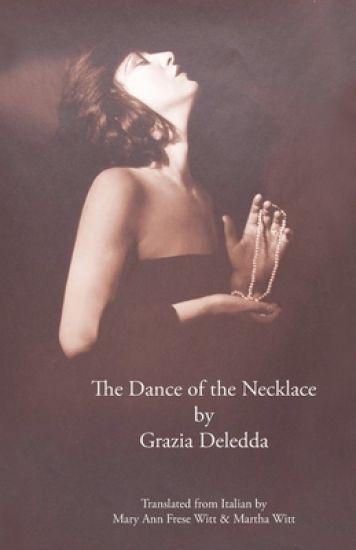
In The Dance of the Necklace, Grazia Deledda moves away from the countryside of her native Sardinia to create a classically modern, urban narrative. Writing in a more spare, experimental style, she uncovers the "vain anguish of our strongest passions: love, ambition, and the instinct to appear more than what we are." A pearl necklace symbolizes the "dance" of jealousy, greed, and love, both erotic and familial, which unites and divides the three main characters: an aunt and her niece who share the same name and a young count seeking to regain his family's bartered string of pearls. An innocent deception turns on itself to explore the nature of the double and the mask: two topoi of modernity. Like Virginia Woolf, Doris Lessing, and Annie Ernaux, Deledda delves into what it means to be a woman, alone and aging, living in a world where she is increasingly unwanted and invisible despite her lingering desires. According to the critic Margherita Heyer-Caput, the novel is one of Deledda's "most conscious and disquieting expressions of modernity." It challenges the labels often applied to this writer and overturns established critical categories to question margin-center hierarchies applied to her work. The Dance of the Necklace is a remarkable and rare example of Deledda's modernism.First English translation of La Danza della Collana (1924). Introduction, notes, bibliography.124 pages.
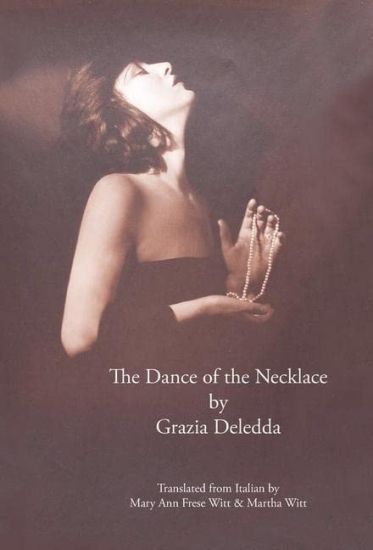
In The Dance of the Necklace, Grazia Deledda moves away from the countryside of her native Sardinia to create a classically modern, urban narrative. Writing in a more spare, experimental style, she uncovers the "vain anguish of our strongest passions: love, ambition, and the instinct to appear more than what we are." A pearl necklace symbolizes the "dance" of jealousy, greed, and love, both erotic and familial, which unites and divides the three main characters: an aunt and her niece who share the same name and a young count seeking to regain his family's bartered string of pearls. An innocent deception turns on itself to explore the nature of the double and the mask: two topoi of modernity. Like Virginia Woolf, Doris Lessing, and Annie Ernaux, Deledda delves into what it means to be a woman, alone and aging, living in a world where she is increasingly unwanted and invisible despite her lingering desires. According to the critic Margherita Heyer-Caput, the novel is one of Deledda's "most conscious and disquieting expressions of modernity." It challenges the labels often applied to this writer and overturns established critical categories to question margin-center hierarchies applied to her work. The Dance of the Necklace is a remarkable and rare example of Deledda's modernism.First English translation of La Danza della Collana (1924). Introduction, notes, bibliography.124 pages.

Die Flucht nach Ägypten
Grazia Deledda
Henricus - Edition Deutsche Klassik GmbH, Berlin
2022
sidottu
Grazia Deledda: Die Flucht nach gypten La fuga in Egitto, 1925. Hier nach der bersetzung von Ernst Fall, Albert Bonnier Verlag, Berlin, 1928. Neuausgabe. Herausgegeben von Karl-Maria Guth. Berlin 2022. Der Text dieser Ausgabe wurde behutsam an die neue deutsche Rechtschreibung angepasst. Umschlaggestaltung von Thomas Schultz-Overhage unter Verwendung des Bildes: Joseph Mallord William Turner, Die Flucht nach gypten, 1841. Gesetzt aus der Minion Pro, 11 pt. Henricus - Edition Deutsche Klassik GmbH