Kirjojen hintavertailu. Mukana 12 595 353 kirjaa ja 12 kauppaa.

Kirjailija

Gregory Morgan

Kirjat ja teokset yhdessä paikassa: 4 kirjaa, julkaisuja vuosilta 2017-2026, suosituimpien joukossa Natural Law & the Secular Mythos. Vertaile teosten hintoja ja tarkista saatavuus suomalaisista kirjakaupoista.

4 kirjaa

Kirjojen julkaisuhaarukka 2017-2026.

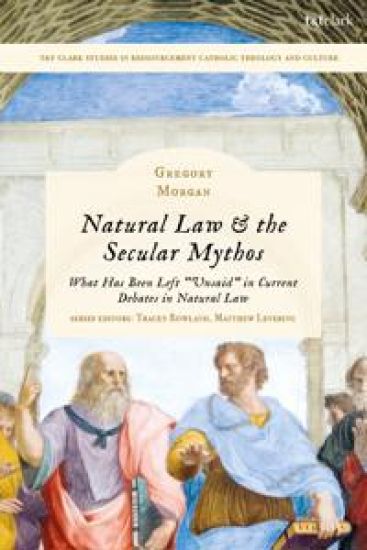
Natural Law & the Secular Mythos

Natural Law & the Secular Mythos

Gregory Morgan

BLOOMSBURY PUBLISHING PLC
2026
nidottu
This book argues that natural law – when construed as an epistemological and trans-cultural lingua franca, adjudged capable of legitimating the rational intelligibility and universal applicability of specific Christian moral principles within contemporary “secular” discourse – has failed. Through a detailed analysis of the contributions of three prominent natural law theorists who are located within a shared philosophical-theological tradition, namely, John Finnis, Jean Porter, and John Milbank, the text illuminates the extent to which this failure is as much intramural as it is extramural. Morgan explores how new horizons open up for natural law if the theological “unsaid(s)” are allowed to surface and the disremembering power of the secular mythos is overcome. The final chapter(s) of the book addresses one such horizon— that the theoretical fulcrum of the natural law lies not in its perceptual self-evidence or in its immanent secularity; but rather in its subtle provision of an immanent eschatology.
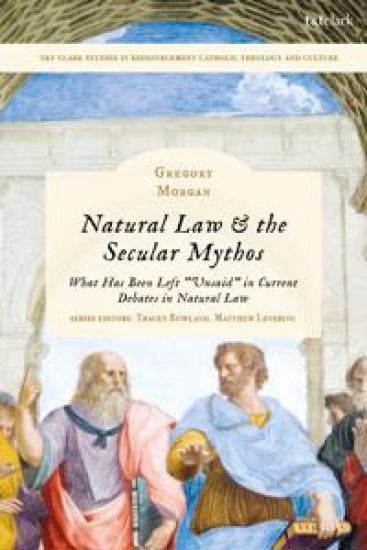
Natural Law & the Secular Mythos

Natural Law & the Secular Mythos

Gregory Morgan

BLOOMSBURY PUBLISHING PLC
2025
sidottu
This book argues that natural law – when construed as an epistemological and trans-cultural lingua franca, adjudged capable of legitimating the rational intelligibility and universal applicability of specific Christian moral principles within contemporary “secular” discourse – has failed.Through a detailed analysis of the contributions of three prominent natural law theorists who are located within a shared philosophical-theological tradition, namely, John Finnis, Jean Porter, and John Milbank, the text illuminates the extent to which this failure is as much intramural as it is extramural. Morgan explores how new horizons open up for natural law if the theological “unsaid(s)” are allowed to surface and the disremembering power of the secular mythos is overcome. The final chapter(s) of the book addresses one such horizon— that the theoretical fulcrum of the natural law lies not in its perceptual self-evidence or in its immanent secularity; but rather in its subtle provision of an immanent eschatology.