

Kirjailija
Gwendolyn Leick
Kirjat ja teokset yhdessä paikassa: 19 kirjaa, julkaisuja vuosilta 1988-2022, suosituimpien joukossa Who's Who in the Ancient Near East. Vertaile teosten hintoja ja tarkista saatavuus suomalaisista kirjakaupoista.
19 kirjaa
Kirjojen julkaisuhaarukka 1988-2022.


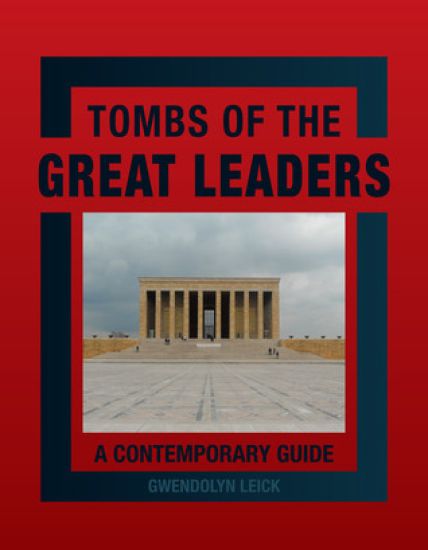
Tombs of the Great Leaders traces the development of the political tomb since the Bronze Age tumuli, and looks in depth at those built in the twentieth and twenty-first century. Each presentation of a site clearly explains the history and context of the leader, their death, the creation of the mausoleum and an eyewitness account from the author of the tomb as it is today. Gwendolyn Leick investigates the memorial sites housing Communist leaders from Lenin in Moscow to Mao Zedong in Beijing, to Ho Chi Minh in Hanoi, and Kim Il-Sung in North Korea. It also looks at the attempts by Fascist rulers Franco and Mussolini to immortalize their memories. It explores the grand national monuments for Founding Fathers in new nation states, from Ataturk in Turkey, to Ziaur Rahman in Dhaka, Mohammed Ali Jinnah in Karach, to Sun Yat-sen in Purple Mountain, Nanjing, and many others across Africa, in the Middle East and elsewhere. Leick shows how these mausoleums and tombs have become sites of pilgrimage, and describes the actual experience of visiting the sites, the responses they elicit and the context in which they are viewed today. Combining history, architecture and travel writing this global perspective is a fascinating and revealing study of the self-perpetuation of politicians and leaders, despots and dictators alike throughout history.
This Dictionary gives a comprehensive survey of the whole range of ancient Near Eastern architecture from the Neolithic round huts in Palestine to the giant temples of Ptolemaic Egypt. Gwendolyn Leick examines the development of the principal styles of ancient architecture within their geographical and historical context, and describes features of major sites such as Ur, Nineveh and Babylon, as well as many of the lesser-known sites. She also covers the variations of typical ancient architectural structures such as pyramids, tombs and houses, details the building material and techniques employed, and clarifies specialist terminology.
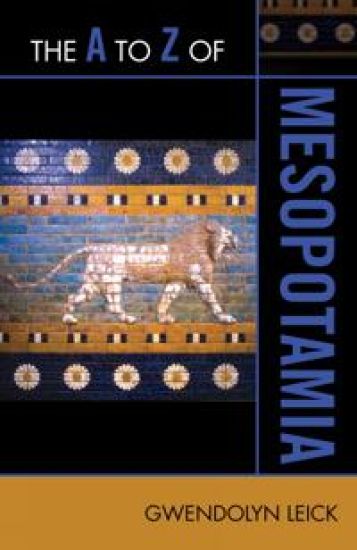
The Greek name Mesopotamia means "land between the rivers." The Romans used this term for an area that they controlled only briefly (between 115 and 117 A.D.): the land between the Euphrates and Tigris rivers, from the south Anatolian mountains ranges to the Persian Gulf. It comprises the civilizations of Sumer and Akkad (third millennium B.C.) as well as the later Babylonian and Assyrian empires of the second and first millennium. Although the "history" of Mesopotamia in the strict sense of the term only begins with the inscriptions of Sumerian rulers around the 27th century B.C., the foundations for Mesopotamian civilization, especially the beginnings of irrigation and the emergence of large permanent settlements, were laid much earlier, in the fifth and fourth millennium. The A to Z of Mesopotamia defines concepts, customs, and notions peculiar to the civilization of ancient Mesopotamia, from adult adoption to ziggurats. This is accomplished through a chronology, an introductory essay, a bibliography, appendixes, and hundreds of cross-reference dictionary entries on religion, economy, society, geography, and important kings and rulers.

The Greek name Mesopotamia means "land between the rivers." The Romans used this term for an area that they controlled only briefly (between 115 and 117 A.D.): the land between the Euphrates and Tigris rivers, from the south Anatolian mountains ranges to the Persian Gulf. It comprises the civilizations of Sumer and Akkad (third millennium B.C.) as well as the later Babylonian and Assyrian empires of the second and first millennium. Although the "history" of Mesopotamia in the strict sense of the term only begins with the inscriptions of Sumerian rulers around the 27th century B.C., the foundations for Mesopotamian civilization, especially the beginnings of irrigation and the emergence of large permanent settlements, were laid much earlier, in the fifth and fourth millennium. The second edition of the Historical Dictionary of Mesopotamia defines concepts, customs, and notions peculiar to the civilization of ancient Mesopotamia, from adult adoption to ziggurats. This is accomplished through a chronology, an introductory essay, a bibliography, appendixes, and hundreds of cross-reference dictionary entries on religion, economy, society, geography, and important kings and rulers.

The Historical Dictionary of Mesopotamia covers one of the oldest civilizations in history. Providing comprehensive coverage of significant persons, places, events, and institutions that influenced and shaped Mesopotamia's history. For the scholar and general reader alike, this guide provides a ready reference for the history of a civilization for which there are many gaps in the data.
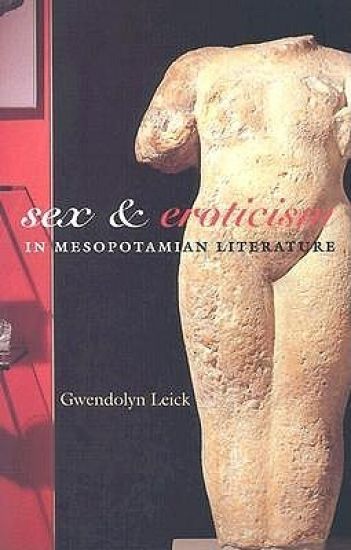
Sex and Eroticism in Mesopotamian Literature is a new contribution to current debates about sex and eroticism. It gives an insight into Mesopotamian attitudes to sexuality by examining the oldest preserved written evidence on the subject - the Sumero-Akkadian cuneiform sources - which were written between the 21st and the 5th centuries B.C. Using these long-neglected and often astonishing data, Gwendolyn Leick is able to anlayse Mesopotamian views of prostitution, love magic and deviant sexual behaviour as well as more general issues of sexuality and gender. This fascinating book sheds light on the sexual culture of one of the earliest literate civilisations.
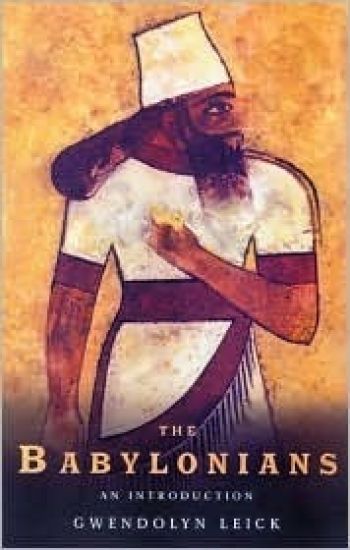
Gwendolyn Leick's approachable survey introduces the Babylonians, the people, the culture and the reality behind the popular myth of Babylon. Spanning some 1800 years in the history of the Babylonians, from the time of Hammurabi, famous for his Law-Code, to the time when Alexander's heirs ruled the Near East, Leick examines how archaeological discoveries and cuneiform tablets recovered from Babylonian cities allow us an impression of the Babylonian people and their society, their intellectual and spiritual preoccupations.Exploring the lives of kings and merchants, women and slaves, and the social, historical, geographical and cultural context in which their extraordinary civilization flourished for so many centuries, The Babylonians has provided scholars and students with a dazzling new insight into this fascinating world.
Gwendolyn Leick's approachable survey introduces the Babylonians, the people, the culture and the reality behind the popular myth of Babylon. Spanning some 1800 years in the history of the Babylonians, from the time of Hammurabi, famous for his Law-Code, to the time when Alexander's heirs ruled the Near East, Leick examines how archaeological discoveries and cuneiform tablets recovered from Babylonian cities allow us an impression of the Babylonian people and their society, their intellectual and spiritual preoccupations.Exploring the lives of kings and merchants, women and slaves, and the social, historical, geographical and cultural context in which their extraordinary civilization flourished for so many centuries, The Babylonians has provided scholars and students with a dazzling new insight into this fascinating world.
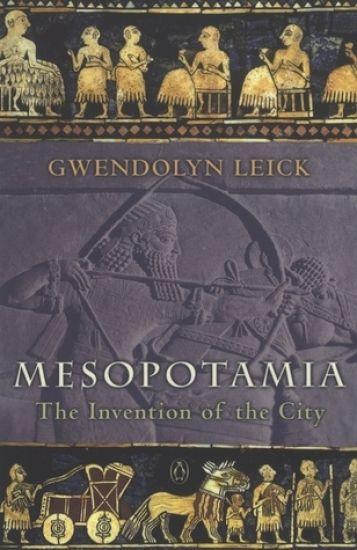
Situated in an area roughly corresponding to present-day Iraq, Mesopotamia is one of the great, ancient civilizations, though it is still relatively unknown. Yet, over 7,000 years ago in Mesopotamia, the very first cities were created. This is the first book to reveal how life was lived in ten Mesopotamian cities: from Eridu, the Mesopotamian Eden, to that potent symbol of decadence, Babylon - the first true metropolis: multicultural, multi-ethnic, the last centre of a dying civilization.
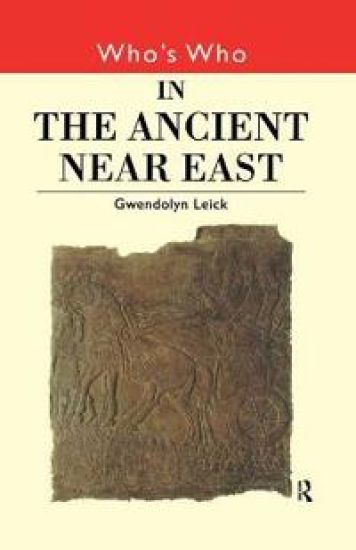
What do we know of the real Nebuchadnezzar? Was there an historical precedent for the mythical Gilgamesh? Who were the Hittites? When did Isaiah preach? How did Jezebel get her reputation?These and many more questions are answered in this fascinating survey of the people who inhabited the Near East between the twenty-fifth and the second centuries BC. From Palestine to Iran and from Alexander the Great to Zechariah, Who's Who in the Ancient Near East presents a unique and comprehensive reference guide for all those with an interest in the ancient history of the area. A comprehensive glossary, chronological charts, maps and bibliographical information complement the biographical entries.
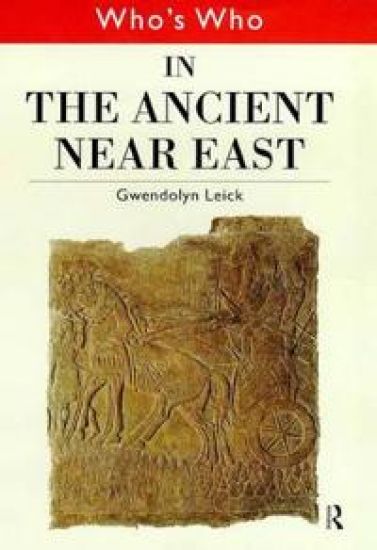
What do we know of the real Nebuchadnezzar? Was there an historical precedent for the mythical Gilgamesh? Who were the Hittites? When did Isaiah preach? How did Jezebel get her reputation?These and many more questions are answered in this fascinating survey of the people who inhabited the Near East between the twenty-fifth and the second centuries BC. From Palestine to Iran and from Alexander the Great to Zechariah, Who's Who in the Ancient Near East presents a unique and comprehensive reference guide for all those with an interest in the ancient history of the area. A comprehensive glossary, chronological charts, maps and bibliographical information complement the biographical entries.
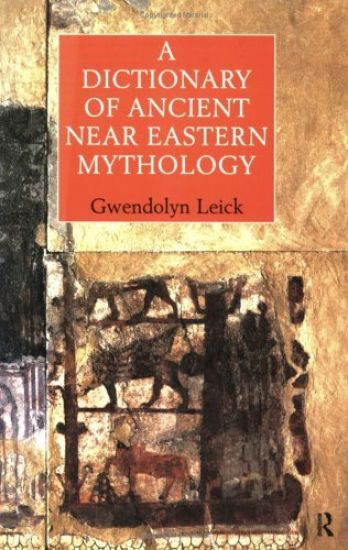
The Dictionary of Ancient Near Eastern Mythology covers sources from Mesopotamia, Syro-Palestine and Anatolia, from around 2800 to 300 BC. It contains entries on gods and goddesses, giving evidence of their worship in temples, describing their 'character', as documented by the texts, and defining their roles within the body of mythological narratives; synoptic entries on myths, giving the place of origin of main texts and a brief history of their transmission through the ages; and entries explaining the use of specialist terminology, for such things as categories of Sumerian texts or types of mythological figures.
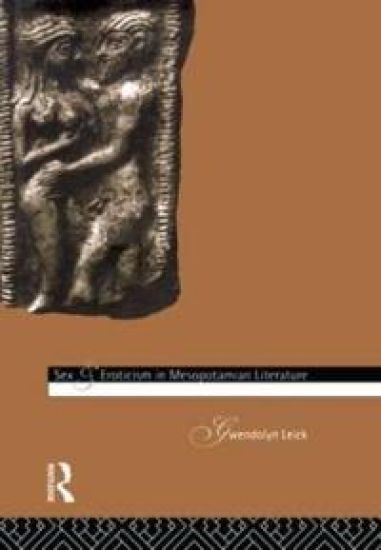
Sex and Eroticism in Mesopotamian Literature is a new contribution to current debates about sex and eroticism. It gives an insight into Mesopotamian attitudes to sexuality by examining the oldest preserved written evidence on the subject - the Sumero-Akkadian cuneiform sources - which were written between the 21st and the 5th centuries B.C. Using these long-neglected and often astonishing data, Gwendolyn Leick is able to anlayse Mesopotamian views of prostitution, love magic and deviant sexual behaviour as well as more general issues of sexuality and gender. This fascinating book sheds light on the sexual culture of one of the earliest literate civilisations.
The Dictionary of Ancient Near Eastern Mythology covers sources from Mesopotamia, Syro-Palestine and Anatolia, from around 2800 to 300 BC. It contains entries on gods and goddesses, giving evidence of their worship in temples, describing their 'character', as documented by the texts, and defining their roles within the body of mythological narratives; synoptic entries on myths, giving the place of origin of main texts and a brief history of their transmission through the ages; and entries explaining the use of specialist terminology, for such things as categories of Sumerian texts or types of mythological figures.
This Dictionary gives a comprehensive survey of the whole range of ancient Near Eastern architecture from the Neolithic round huts in Palestine to the giant temples of Ptolemaic Egypt. Gwendolyn Leick examines the development of the principal styles of ancient architecture within their geographical and historical context, and describes features of major sites such as Ur, Nineveh and Babylon, as well as many of the lesser-known sites. She also covers the variations of typical ancient architectural structures such as pyramids, tombs and houses, details the building material and techniques employed, and clarifies specialist terminology.