Kirjojen hintavertailu. Mukana 12 390 323 kirjaa ja 12 kauppaa.

Kirjailija

György E. Szönyi

Kirjat ja teokset yhdessä paikassa: 2 kirjaa, julkaisuja vuosilta 2005-2010, suosituimpien joukossa John Dee's Occultism. Vertaile teosten hintoja ja tarkista saatavuus suomalaisista kirjakaupoista.

2 kirjaa

Kirjojen julkaisuhaarukka 2005-2010.

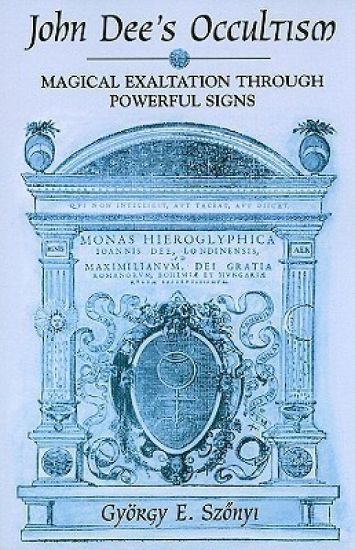
John Dee's Occultism

John Dee's Occultism

György E. Szönyi

State University of New York Press
2010
pokkari
A comprehensive look at the life and work of one of the towering figures of Renaissance mysticism. Delving into the life and work of John Dee, Renaissance mathematician and "conjurer to Queen Elizabeth," György E. Szonyi presents an analysis of Renaissance occultism and its place in the chronology of European cultural history. Culling examples of "magical thinking" from classical, medieval, and Renaissance philosophers, Szönyi revisits the body of Dee's own scientific and spiritual writings as reflective sources of traditional mysticism. Exploring the intellectual foundations of magic, Szonyi focuses on the ideology of exaltatio, the glorification or deification of man. He argues that it was the desire for exaltatio that framed and tied together the otherwise varied thoughts and activities of John Dee as well.
John Dee's Occultism

John Dee's Occultism

György E. Szönyi

State University of New York Press
2005
sidottu
A comprehensive look at the life and work of one of the towering figures of Renaissance mysticism. Delving into the life and work of John Dee, Renaissance mathematician and "conjurer to Queen Elizabeth," György E. Szonyi presents an analysis of Renaissance occultism and its place in the chronology of European cultural history. Culling examples of "magical thinking" from classical, medieval, and Renaissance philosophers, Szönyi revisits the body of Dee's own scientific and spiritual writings as reflective sources of traditional mysticism. Exploring the intellectual foundations of magic, Szonyi focuses on the ideology of exaltatio, the glorification or deification of man. He argues that it was the desire for exaltatio that framed and tied together the otherwise varied thoughts and activities of John Dee as well.