Kirjojen hintavertailu. Mukana 12 217 866 kirjaa ja 12 kauppaa.

Kirjailija

Hamza R'boul

Kirjat ja teokset yhdessä paikassa: 9 kirjaa, julkaisuja vuosilta 2022-2024, suosituimpien joukossa Education in Morocco. Vertaile teosten hintoja ja tarkista saatavuus suomalaisista kirjakaupoista.

9 kirjaa

Kirjojen julkaisuhaarukka 2022-2024.

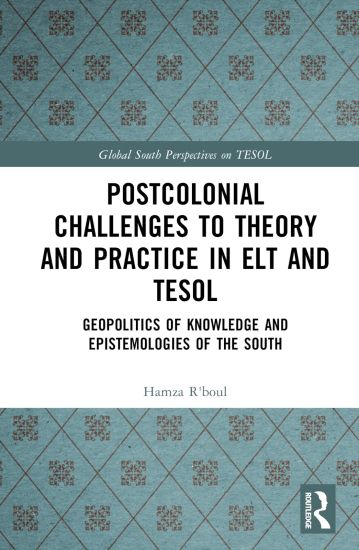
Postcolonial Challenges to Theory and Practice in ELT and TESOL
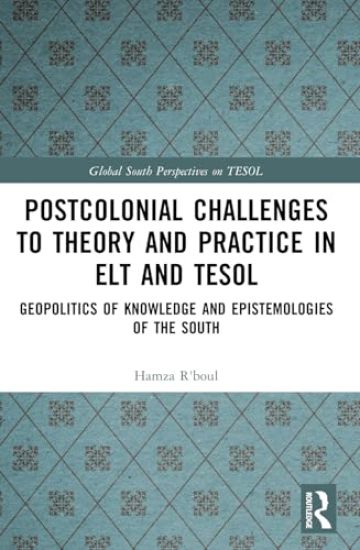
Drawing on the underrepresentation of the Global South in global knowledge production with a focus on the existing inequalities, the book highlights the importance of postcolonial narratives within Global Southern epistemologies in English language teaching (ELT) and Teaching English to Speakers of Other Languages (TESOL).Chapters consider the epistemological landscapes of these fields, their dedication to English teaching and English-related topics, and the intersection of the coloniality of language and the supremacy of English worldwide. The book explores the type of discussion that is needed to advance a more nuanced understanding of sociopolitical circumstances and how they shape our academic practices and theorizations of ELT and TESOL. In doing so, chapters examine the current geopolitics of knowledge that are found in journal publishing, citing how it favours the Global North, and further exploring ways of decolonizing language practices, teaching approaches and research cultures. Calling for greater visibility and recognition of Southern ways of knowing within ELT and TESOL practice and research, the book will be an essential reading for scholars, researchers and students of TESOL, ELT, Applied Linguistics and multilingualism.
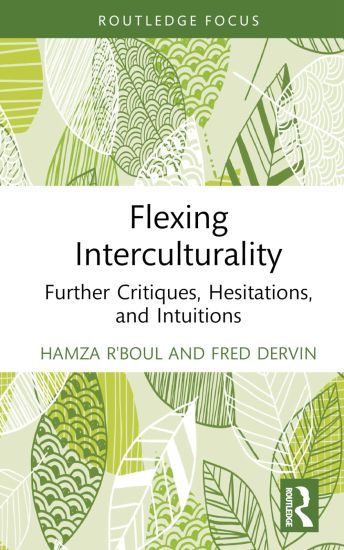
Flexing Interculturality

Flexing Interculturality

Hamza R'boul; Fred Dervin

TAYLOR FRANCIS LTD
2024
nidottu
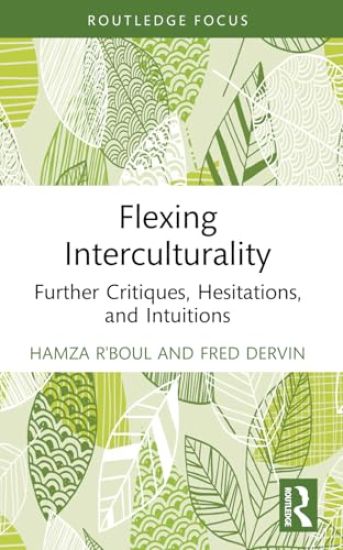
This book continues the two scholars’ endeavours for opening up more spaces for alternative perspectives, analyses and praxis in interculturality. The main text features fragments that bear relevance to a wide range of topics including education, politics, personal experiences, social realities, hierarchies, self-critique, language and locus of enunciation. The book takes a step forward by using fragments as an alternative way of doing research and writing scholarship. The premise here is that fragments are human and they reflect our fleeting, inconsistent and unsystematic production of knowledge that today’s scholarship has presented to be linear, structured and aligned. The authors draw on fragments to make their points as forcefully as possible by constructing sentences that destabilize themselves and readers to consider other paths and perspectives. That is, writing otherwise may propel thinking otherwise since the very bases, upon which we push our insights to mould through and by, are shaken and ultimately transcended. The chapters include questions with (temporary) answers as an attempt to induce readers to think for themselves and to move beyond what this book has to offer. This book will be a great read to scholars and students in the field of interculturality, education and sociology. The authors hope that this book will be seen as a genuine example of de-linking from mainstream writing and thinking conventions about interculturality in communication and education without compromising epistemic depth and nuance.
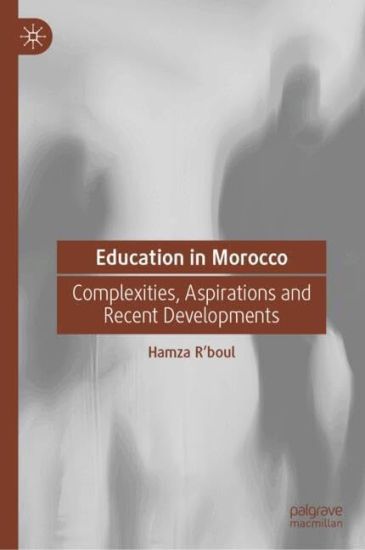
Education in Morocco

Education in Morocco

Hamza R'boul

Springer International Publishing AG
2024
sidottu
The book is an important reference for anyone interested in understanding the complexities of the education system in Morocco, and more specifically students and scholars who are interested in the sociology of education as well as education and language policy and planning.
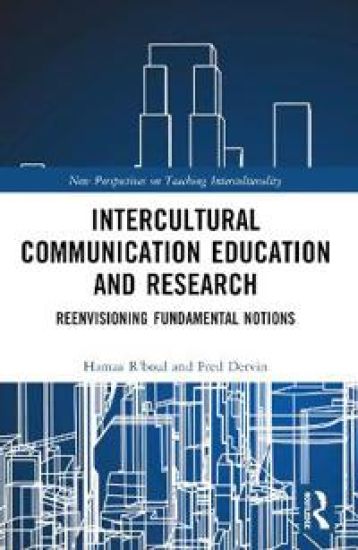
Intercultural Communication Education and Research

Intercultural Communication Education and Research

Hamza R'boul; Fred Dervin

TAYLOR FRANCIS LTD
2024
nidottu
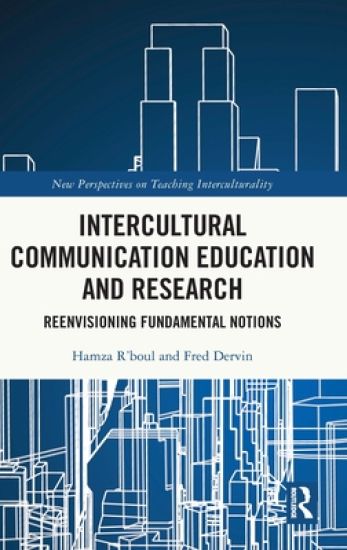
Seeking to uncover underlying epistemic invisibilities in generating intercultural communication education and research knowledge and to open up space for envisaging interculturality alternatively, this book reexamines and problematizes the assumptions and ontologies in the conceptual systems of interculturality.In enunciating and critiquing what has been largely endorsed, normalized and taken for granted, this volume brings to the fore different, changing and situated understandings of intercultural ontologies and epistemologies in terms of premises, workings and objectives, unveiling the entangled factors and contexts that have delimited and circumscribed the realm. The authors believe that the field would benefit from some cognitive and sensory dissonance while reengaging effectively with notions to move forward. In particular, they endeavour to de-monumentalize and disrupt the very conceptual tenets that may have rendered interculturality myopic, repetitive, monolithic and aseptic in expanding the epistemic concerns of the “intercultural”, especially in the English language.This book will be an essential read for scholars and students of the sociology of education, educational philosophy and intercultural education and also for all readers interested in the broad field of interculturality.
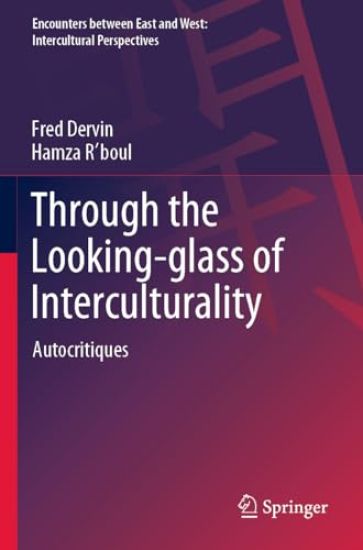
Through the Looking-glass of Interculturality

Through the Looking-glass of Interculturality

Fred Dervin; Hamza R'boul

SPRINGER VERLAG, SINGAPORE
2023
nidottu
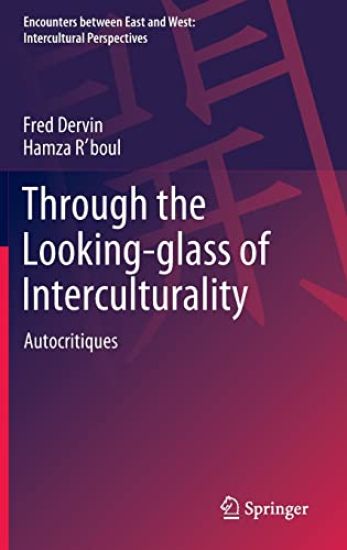
This book starts from the premise that honest and constructive dialogue between scholars and educators of interculturality, especially from different geopolitical spheres, is needed more than ever. The book is about the important and yet contested notion of interculturality—a notion used in different fields of research. It was co-written by two scholars who have never met before and who got to know each other intellectually and personally in the process of writing this book, using interculturality as a looking-glass. (Re-)negotiating meanings, ideologies and their own identities in writing the chapters together, the authors enter into multifaceted dialogues and intercommunicate, sharing while accepting disagreements. The co-authors’ different profiles in terms of geography, generation, status, preferred paradigms and multilingual identity (amongst others) are put forward, confronted, and mirrored in the different chapters, leading to the joint negotiation of aspirations concerning interculturality in communication and education. While describing their current takes on interculturality they also conduct autocritiques of their past and present engagement with the notion. The following questions are also addressed: Who is talking the most about interculturality in the world today? Whose voices are not heard? How to disrupt current hegemonies around the notion for real? And how to promote epistemological plurality in the discourses and narratives shaping our understandings of the notion? Autocritiquing is proposed as a way of unthinking and rethinking interculturality ad infinitum. This book argues that engaging with the notion requires constant self-reflection, examining one’s positionality and intersectionality, listening to the voices that one projects onto the world of, e.g., research and education, and operating transformations in one’s thinking, trying out new paradigms, ideologies and methods.
Flexing Interculturality

Flexing Interculturality

Hamza R'boul; Fred Dervin

TAYLOR FRANCIS LTD
2023
sidottu
This book continues the two scholars’ endeavours for opening up more spaces for alternative perspectives, analyses and praxis in interculturality. The main text features fragments that bear relevance to a wide range of topics including education, politics, personal experiences, social realities, hierarchies, self-critique, language and locus of enunciation. The book takes a step forward by using fragments as an alternative way of doing research and writing scholarship. The premise here is that fragments are human and they reflect our fleeting, inconsistent and unsystematic production of knowledge that today’s scholarship has presented to be linear, structured and aligned. The authors draw on fragments to make their points as forcefully as possible by constructing sentences that destabilize themselves and readers to consider other paths and perspectives. That is, writing otherwise may propel thinking otherwise since the very bases, upon which we push our insights to mould through and by, are shaken and ultimately transcended. The chapters include questions with (temporary) answers as an attempt to induce readers to think for themselves and to move beyond what this book has to offer. This book will be a great read to scholars and students in the field of interculturality, education and sociology. The authors hope that this book will be seen as a genuine example of de-linking from mainstream writing and thinking conventions about interculturality in communication and education without compromising epistemic depth and nuance.
Postcolonial Challenges to Theory and Practice in ELT and TESOL
Drawing on the underrepresentation of the Global South in global knowledge production with a focus on the existing inequalities, the book highlights the importance of postcolonial narratives within Global Southern epistemologies in English language teaching (ELT) and Teaching English to Speakers of Other Languages (TESOL).Chapters consider the epistemological landscapes of these fields, their dedication to English teaching and English-related topics, and the intersection of the coloniality of language and the supremacy of English worldwide. The book explores the type of discussion that is needed to advance a more nuanced understanding of sociopolitical circumstances and how they shape our academic practices and theorizations of ELT and TESOL. In doing so, chapters examine the current geopolitics of knowledge that are found in journal publishing, citing how it favours the Global North, and further exploring ways of decolonizing language practices, teaching approaches and research cultures. Calling for greater visibility and recognition of Southern ways of knowing within ELT and TESOL practice and research, the book will be an essential reading for scholars, researchers and students of TESOL, ELT, Applied Linguistics and multilingualism.
Intercultural Communication Education and Research

Intercultural Communication Education and Research

Hamza R'boul; Fred Dervin

TAYLOR FRANCIS LTD
2023
sidottu
Seeking to uncover underlying epistemic invisibilities in generating intercultural communication education and research knowledge and to open up space for envisaging interculturality alternatively, this book reexamines and problematizes the assumptions and ontologies in the conceptual systems of interculturality.In enunciating and critiquing what has been largely endorsed, normalized and taken for granted, this volume brings to the fore different, changing and situated understandings of intercultural ontologies and epistemologies in terms of premises, workings and objectives, unveiling the entangled factors and contexts that have delimited and circumscribed the realm. The authors believe that the field would benefit from some cognitive and sensory dissonance while reengaging effectively with notions to move forward. In particular, they endeavour to de-monumentalize and disrupt the very conceptual tenets that may have rendered interculturality myopic, repetitive, monolithic and aseptic in expanding the epistemic concerns of the “intercultural”, especially in the English language.This book will be an essential read for scholars and students of the sociology of education, educational philosophy and intercultural education and also for all readers interested in the broad field of interculturality.
Through the Looking-glass of Interculturality

Through the Looking-glass of Interculturality

Fred Dervin; Hamza R'boul

SPRINGER VERLAG, SINGAPORE
2022
sidottu
This book starts from the premise that honest and constructive dialogue between scholars and educators of interculturality, especially from different geopolitical spheres, is needed more than ever. The book is about the important and yet contested notion of interculturality—a notion used in different fields of research. It was co-written by two scholars who have never met before and who got to know each other intellectually and personally in the process of writing this book, using interculturality as a looking-glass. (Re-)negotiating meanings, ideologies and their own identities in writing the chapters together, the authors enter into multifaceted dialogues and intercommunicate, sharing while accepting disagreements. The co-authors’ different profiles in terms of geography, generation, status, preferred paradigms and multilingual identity (amongst others) are put forward, confronted, and mirrored in the different chapters, leading to the joint negotiation of aspirations concerning interculturality in communication and education. While describing their current takes on interculturality they also conduct autocritiques of their past and present engagement with the notion. The following questions are also addressed: Who is talking the most about interculturality in the world today? Whose voices are not heard? How to disrupt current hegemonies around the notion for real? And how to promote epistemological plurality in the discourses and narratives shaping our understandings of the notion? Autocritiquing is proposed as a way of unthinking and rethinking interculturality ad infinitum. This book argues that engaging with the notion requires constant self-reflection, examining one’s positionality and intersectionality, listening to the voices that one projects onto the world of, e.g., research and education, and operating transformations in one’s thinking, trying out new paradigms, ideologies and methods.