Kirjojen hintavertailu. Mukana 12 595 353 kirjaa ja 12 kauppaa.

Kirjailija

Hand Richard J.

Kirjat ja teokset yhdessä paikassa: 5 kirjaa, julkaisuja vuosilta 2002-2016, suosituimpien joukossa Performing Grand-Guignol. Vertaile teosten hintoja ja tarkista saatavuus suomalaisista kirjakaupoista.

5 kirjaa

Kirjojen julkaisuhaarukka 2002-2016.

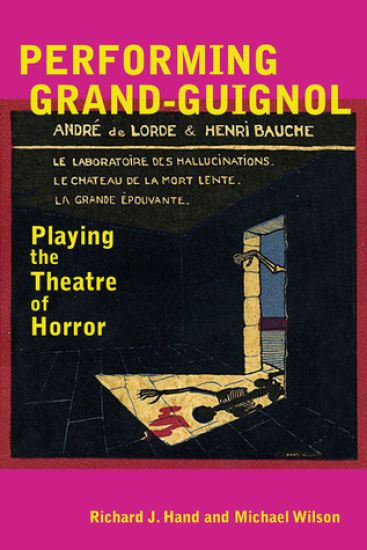
Performing Grand-Guignol

Performing Grand-Guignol

Hand Richard J.; Michael Wilson

University of Exeter Press
2016
sidottu
From the authors of the successful Grand-Guignol and London’s Grand Guignol - also published by UEP – this book includes translations of a further eleven plays, adding significantly to the repertoire of Grand-Guignol plays available in the English language. The emphasis in the translation and adaptation of these plays is once again to foreground the performability of the scripts within a modern context – making Performing Grand-Guignol an ideal acting guide. Hand and Wilson have acquired extremely rare acting copies of plays which have never been published and scripts that were published in the early years of the twentieth century but have not been published since – even in French. Includes plays written by, or adapted from, such notable writers as Octave Mirbeau, Gaston Leroux and St John Ervine as well as examples by Grand-Guignol stalwarts René Berton and André de Lorde. Also included is the 1920s London translation of Blind Man’s Buff written by Charles Hellem and Pol d’Estoc and banned by the Lord Chamberlain. A brief history of the Parisian theatre is also included, for the benefit of readers who have not read the previous books.
Performing Grand-Guignol

Performing Grand-Guignol

Hand Richard J.; Michael Wilson

University of Exeter Press
2016
nidottu
From the authors of the successful Grand-Guignol and London’s Grand Guignol - also published by UEP – this book includes translations of a further eleven plays, adding significantly to the repertoire of Grand-Guignol plays available in the English language. The emphasis in the translation and adaptation of these plays is once again to foreground the performability of the scripts within a modern context – making Performing Grand-Guignol an ideal acting guide. Hand and Wilson have acquired extremely rare acting copies of plays which have never been published and scripts that were published in the early years of the twentieth century but have not been published since – even in French. Includes plays written by, or adapted from, such notable writers as Octave Mirbeau, Gaston Leroux and St John Ervine as well as examples by Grand-Guignol stalwarts René Berton and André de Lorde. Also included is the 1920s London translation of Blind Man’s Buff written by Charles Hellem and Pol d’Estoc and banned by the Lord Chamberlain. A brief history of the Parisian theatre is also included, for the benefit of readers who have not read the previous books.
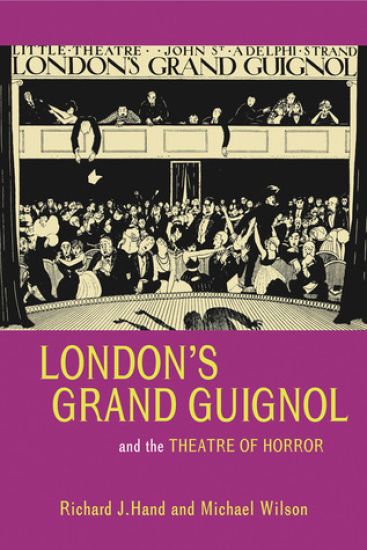
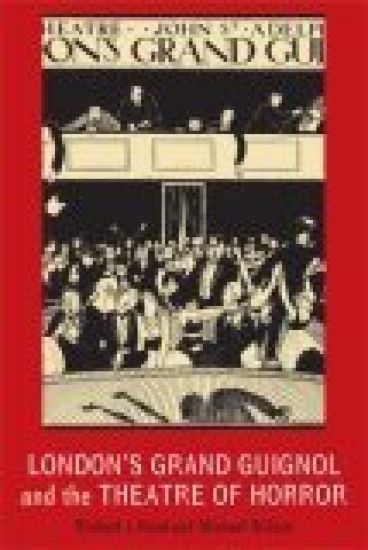
London’s Grand Guignol and the Theatre of Horror

London’s Grand Guignol and the Theatre of Horror

Hand Richard J.; Michael Wilson

University of Exeter Press
2007
sidottu
A companion to UEP’s Grand-Guignol: The French Theatre of Horror (now in its third reprint). A genre that has left more of a mark on British and American culture than we may imagine” (Gothic Studies). London’s Grand Guignol was established in the early 1920s at the Little Theatre in the West End. It was a high-profile venture that enjoyed popular success as much as critical controversy. On its side were some of the finest actors on the English stage, in the shape of Sybil Thorndike and Lewis Casson, and a team of extremely able writers, including Noël Coward. London's Grand Guignol and the Theatre of Horror considers the importance and influence of the English Grand Guignol within its social, cultural and historical contexts. It also presents a selection of ten remakarble English-language Grand Guignol plays, some of which were banned by the Lord Chamberlain, the censor of the day, and have never been published or publicly performed. Among the plays in the book is a previously unpublished work by Noël Coward, The Better Half, first performed at the Little Theatre in 1922. The reviewer in the journal Gothic Studies wrote, of the authors’ previous book: “having recently taught a module on Grand Guignol with third year drama students, it is also worth noting that this book captured their imaginations in a way that few other set texts seem to manage.”
London’s Grand Guignol and the Theatre of Horror

London’s Grand Guignol and the Theatre of Horror

Hand Richard J.; Michael Wilson

University of Exeter Press
2007
nidottu
A companion to UEP’s Grand-Guignol: The French Theatre of Horror (now in its third reprint). A genre that has left more of a mark on British and American culture than we may imagine” (Gothic Studies). London’s Grand Guignol was established in the early 1920s at the Little Theatre in the West End. It was a high-profile venture that enjoyed popular success as much as critical controversy. On its side were some of the finest actors on the English stage, in the shape of Sybil Thorndike and Lewis Casson, and a team of extremely able writers, including Noël Coward. London's Grand Guignol and the Theatre of Horror considers the importance and influence of the English Grand Guignol within its social, cultural and historical contexts. It also presents a selection of ten remakarble English-language Grand Guignol plays, some of which were banned by the Lord Chamberlain, the censor of the day, and have never been published or publicly performed. Among the plays in the book is a previously unpublished work by Noël Coward, The Better Half, first performed at the Little Theatre in 1922. The reviewer in the journal Gothic Studies wrote, of the authors’ previous book: “having recently taught a module on Grand Guignol with third year drama students, it is also worth noting that this book captured their imaginations in a way that few other set texts seem to manage.”
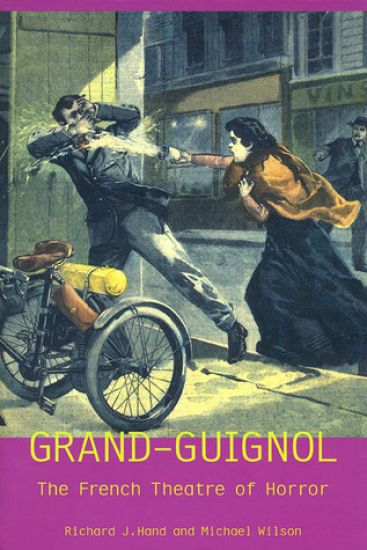
Grand-Guignol

Grand-Guignol

Hand Richard J.; Michael Wilson

University of Exeter Press
2002
nidottu
Since the Theatre du Grand-Guignol closed its doors, the genre has been overlooked by critics and theatre historians. This book reconsiders the importance and influence of the Grand-Guignol within its social, cultural and historical contexts.