Kirjojen hintavertailu. Mukana 12 595 353 kirjaa ja 12 kauppaa.

Kirjailija

Hansjörg Bittner

Kirjat ja teokset yhdessä paikassa: 2 kirjaa, julkaisuja vuosilta 2019-2021, suosituimpien joukossa Evaluating the Evaluator. Vertaile teosten hintoja ja tarkista saatavuus suomalaisista kirjakaupoista.

2 kirjaa

Kirjojen julkaisuhaarukka 2019-2021.

Evaluating the Evaluator

Evaluating the Evaluator

Hansjörg Bittner

Taylor Francis Ltd
2021
nidottu
This book offers a theoretical framework for assessing translation quality grounded in supportive argumentation. The volume outlines a systematic framework for translators and translation critics to substantiate their decisions and judgments on a translation’s quality and in the case of negative criticism, put forward a more effective translation solution. The book traces the decision-making process underpinning translation practice, considering the different factors surrounding a particular translation to inform the most appropriate translation strategy, such as the temporal and geographical relationship between source and target texts, special provisions required by clients, timeframe, qualifications, and sociocultural and political issues. The framework posits that such factors should underpin any arguments used by the translator in adopting a given strategy and in turn, that any criticism of a translation’s quality must be in line with the same argumentative structure. Applied to a corpus of translation examiners’ reports of translation, the book demonstrates how this framework can act as a tool to be scaled to fit the needs of the different actors of a translation – translators, critics, and scholars. This book will be of interest to scholars in translation studies and practicing translators.
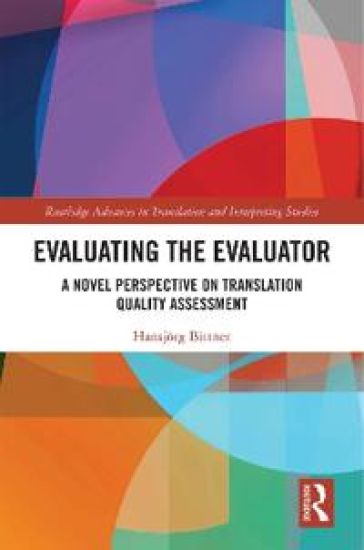
Evaluating the Evaluator

Evaluating the Evaluator

Hansjörg Bittner

Routledge
2019
sidottu
This book offers a theoretical framework for assessing translation quality grounded in supportive argumentation. The volume outlines a systematic framework for translators and translation critics to substantiate their decisions and judgments on a translation’s quality and in the case of negative criticism, put forward a more effective translation solution. The book traces the decision-making process underpinning translation practice, considering the different factors surrounding a particular translation to inform the most appropriate translation strategy, such as the temporal and geographical relationship between source and target texts, special provisions required by clients, timeframe, qualifications, and sociocultural and political issues. The framework posits that such factors should underpin any arguments used by the translator in adopting a given strategy and in turn, that any criticism of a translation’s quality must be in line with the same argumentative structure. Applied to a corpus of translation examiners’ reports of translation, the book demonstrates how this framework can act as a tool to be scaled to fit the needs of the different actors of a translation – translators, critics, and scholars. This book will be of interest to scholars in translation studies and practicing translators.