Kirjailija
Harald Jähner
Kirjat ja teokset yhdessä paikassa: 18 kirjaa, julkaisuja vuosilta 2019-2026, suosituimpien joukossa Wunderland. Vertaile teosten hintoja ja tarkista saatavuus suomalaisista kirjakaupoista.
Mukana myös kirjoitusasut: Harald Jahner
18 kirjaa
Kirjojen julkaisuhaarukka 2019-2026.

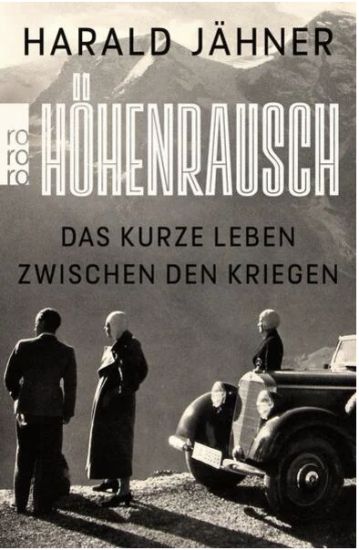
Weimarrepubliken föddes i november 1918 ur första världskrigets aska och under hot om revolution. Den gav Tyskland landets första demokratiska regering, men kom bara att bestå i femton år. I "Hisnande tider" tar oss Harald Jähner med till denna turbulenta och omtalade period där de första årens hyperinflation avlöstes av ett ekonomiskt uppsving och ett kulturellt uppbrott. Det handlade om nya livsstilar, om nyskapande konst och arkitektur. Könsnormer sattes ur spel, kvinnor klippte håret och kunde gå på lokal utan manligt sällskap, nöjeslivet blomstrade med danspalats och kabaréteatrar. Ett konstnärligt avantgarde trädde samtidigt fram, med namn som Fritz Lang, Wassily Kandinsky och Walter Gropius. Men detta nya Tyskland kännetecknades också av politisk instabilitet, skarpa konfliktlinjer och djupa sociala klyftor. Kulturell frigörelse och politisk radikalism fick sin motreaktion i en ”konservativ revolution”. Antisemitismen bredde ut sig, och det ekonomiska uppsvinget tog abrupt slut med börskraschen 1929 och ersattes av massarbetslöshet. Och 1933 satte så nazisterna punkt för Weimarrepubliken. "Hisnande tider" är en kalejdoskopisk skildring av dessa dramatiska år. Liksom i sin lovprisade bok "Vargatider. Livet i Tyskland efter Tredje rikets fall 1945-1955" lyckas Jähner teckna en helhetsbild som binder samman det politiska livet med det kulturella och intellektuella – och med vardagslivets erfarenheter. Harald Jähner är journalist, tidigare redaktör på Berliner Zeitung och hedersprofessor i kulturjournalistik vid Universität der Künste i Berlin. På Bokförlaget Daidalos har Jähner även utkommit med "Vargatider. Livet i Tyskland efter Tredje rikets fall 1945–1955" (2021) .
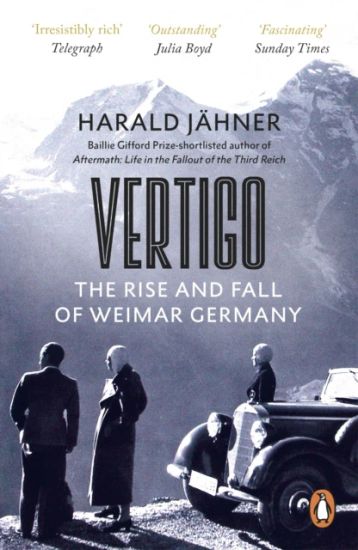

Weimarrepubliken föddes i november 1918 ur första världskrigets aska och under hot om revolution. Den gav Tyskland landets första demokratiska regering, men kom bara att bestå i femton år. I "Hisnande tider" tar oss Harald Jähner med till denna turbulenta och omtalade period där de första årens hyperinflation avlöstes av ett ekonomiskt uppsving och ett kulturellt uppbrott. Det handlade om nya livsstilar, om nyskapande konst och arkitektur. Könsnormer sattes ur spel, kvinnor klippte håret och kunde gå på lokal utan manligt sällskap, nöjeslivet blomstrade med danspalats och kabaréteatrar. Ett konstnärligt avantgarde trädde samtidigt fram, med namn som Fritz Lang, Wassily Kandinsky och Walter Gropius. Men detta nya Tyskland kännetecknades också av politisk instabilitet, skarpa konfliktlinjer och djupa sociala klyftor. Kulturell frigörelse och politisk radikalism fick sin motreaktion i en ”konservativ revolution”. Antisemitismen bredde ut sig, och det ekonomiska uppsvinget tog abrupt slut med börskraschen 1929 och ersattes av massarbetslöshet. Och 1933 satte så nazisterna punkt för Weimarrepubliken. "Hisnande tider" är en kalejdoskopisk skildring av dessa dramatiska år. Liksom i sin lovprisade bok "Vargatider. Livet i Tyskland efter Tredje rikets fall 1945-1955" lyckas Jähner teckna en helhetsbild som binder samman det politiska livet med det kulturella och intellektuella – och med vardagslivets erfarenheter.
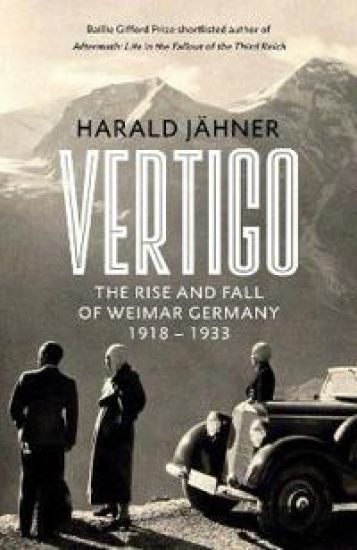
Germany, 1918: a country in flux. The First World War is lost, traditional values are shaken to their core, revolution is afoot and the victory of democracy beckons. Everything must change with the times. The country is abuzz with talk of the 'new woman', the 'new man', 'new living' and 'new thinking'. What follows is the establishment of the Weimar Republic, an economic crisis and the transformation of Germany. A triumphant procession of liberated lifestyles emerges. Women conquer the racetracks and tennis courts, go out alone in the evenings, cut their hair short and cast the idea of marriage aside. Unisex style comes into fashion, androgynous and experimental. People revel in the discovery of leisure, filling up boxing halls, dance palaces and the hotspots of the New Age, embracing the department stores' promise of happiness and accepting the streets as a place of fierce battles. So much of this short burst of life between the wars seems amazingly modern today, including, amidst a frenzy of change, the backlash from those who did not see themselves reflected in this new culture. Little by little, deep divisions in society began to emerge. Divisions that would have devastating consequences, altering the course of the twentieth century and the lives of millions around the world.Praise for Aftermath by Harald Jahner:'Exemplary [and] important... This is the kind of book few writers possess the clarity of vision to write' - Max Hastings, Sunday Times'A masterpiece' - Spectator'Magnificent... There are great lessons in the nature of humanity to be learnt here' - Rupert Christiansen, The Telegraph'Jahner is masterly in telling the tragic, despicable, comedic and uplifting stories of those who were there' - Katja Hoyer, The Times'Thought-provoking... Jahner's unflinching account is a reminder that historical truths are rarely simple and always nuanced' - Daily Mail'A reminder that the German experience will always stand apart' - Economist
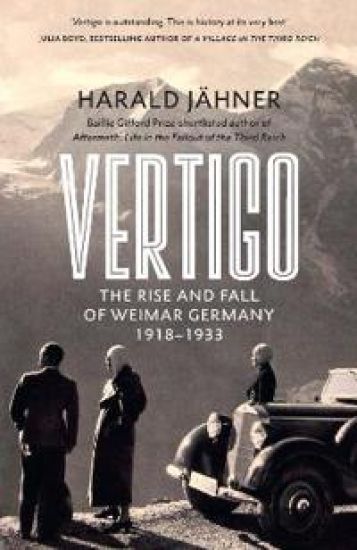
*An Observer Book of the Year, 2024*'This is one of the most gripping accounts of an era spanning war defeat, humiliation and failed revolution in 1918 to the violence, intimidation and propaganda of the Nazis' rise to power in 1933. It contains many lessons for the world now.' - John Kampfner, bestselling author of Why The Germans Do It Better'Vertigo is outstanding. Harald Jähner’s gift for illuminating the big picture with telling detail gives the reader an uncanny sense of what it was actually like to be present in Germany during the Weimar Republic. This is history at its very best.' - Julia Boyd, bestselling author of Travellers in the Third ReichGermany, 1918: a country in flux. The First World War is over, the nation defeated. Revolution is afoot, the monarchy has fallen and the victory of democracy beckons. Everything must change with the times.Out of the ashes of the First World War, Germany launches an unprecedented political project: its first democratic government. The Weimar Republic is established. The years that follow see political extremism, economic upheaval, revolutionary violence and the transformation of Germany. Tradition is shaken to its core as a triumphant procession of liberated lifestyles emerges. Women conquer the racetracks and tennis courts, go out alone in the evenings, cut their hair short and cast the idea of marriage aside. Unisex style comes into fashion, androgynous and experimental. People revel in the discovery of leisure, filling up boxing halls, dance palaces and the hotspots of the New Age, embracing the department stores’ promise of happiness and accepting the streets as a place of fierce political battles.In this short burst of life between the wars, amidst a frenzy of change, comes a backlash from those who do not see themselves reflected in the new Republic. Little by little, deep divisions begin to emerge. Divisions that would bring devastating consequences, altering the course of the twentieth century and the lives of millions around the world. Vertigo is a vital, kaleidoscopic portrait of a pivotal moment in German history.Praise for Aftermath by Harald Jähner:'Exemplary [and] important... This is the kind of book few writers possess the clarity of vision to write' - Max Hastings, Sunday Times'A masterpiece' - Spectator'Magnificent... There are great lessons in the nature of humanity to be learnt here' - Rupert Christiansen, The Telegraph'Jähner is masterly in telling the tragic, despicable, comedic and uplifting stories of those who were there' - Katja Hoyer, The Times'Thought-provoking... Jähner's unflinching account is a reminder that historical truths are rarely simple and always nuanced' - Daily Mail'A reminder that the German experience will always stand apart' - Economist
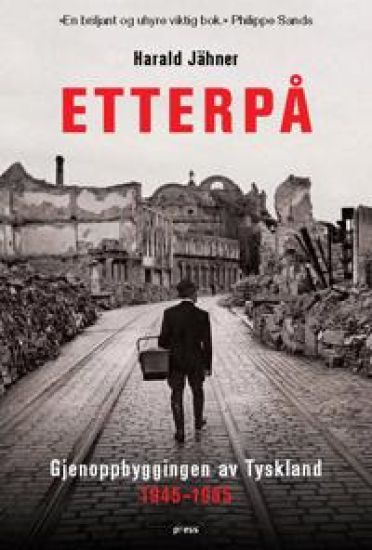
Den tyske journalisten og forfatteren Harald Jähner gir i denne prisbelønte boken et bredt og detaljert bilde av livet i Tyskland i den umiddelbare tiden etter krigens slutt: Kvinnene i Berlin som ryddet i haugene med murstein; ruinen som kulisse i det nye motebildet, og som ramme for et improvisert uteliv, dans og nye romanser; de alliertes pedagogiske programmer for å avnazifisere tyskerne, både i litteraturen og i kunstlivet; svartebørs og kampen for å overleve i hverdagen. Jähner tegner et nærgående portrett av den tyske befolkningens mentale tilstand, der deres egne lidelser helt fortrengte de forbrytelser Nazi-Tyskland hadde begått. Ektemenn vendte forkrøplete og ydmykete hjem til kvinner som hadde skapt seg et eget liv, og millioner av tyskere var revet bort fra sine hjemtrakter og ble omplassert i områder av landet som ofte hadde hatt liten berøring med krigen. Dette resulterte i store interne spenninger, men var også blant de grep som skapte ny energi og dynamikk i det nye Tyskland som måtte bygges fra grunnen av.
How does a nation recover from fascism and turn toward a free society once more? This internationally acclaimed revelatory history--"filled with first-person accounts from articles and diaries" (The New York Times)--of the transformational decade that followed World War II illustrates how Germany raised itself out of the ashes of defeat and reckoned with the corruption of its soul and the horrors of the Holocaust. Featuring over 40 eye-opening black-and-white photographs and posters from the period. The years 1945 to 1955 were a raw, wild decade that found many Germans politically, economically, and morally bankrupt. Victorious Allied forces occupied the four zones that make up present-day Germany. More than half the population was displaced; 10 million newly released forced laborers and several million prisoners of war returned to an uncertain existence. Cities lay in ruins--no mail, no trains, no traffic--with bodies yet to be found beneath the towering rubble. Aftermath received wide acclaim and spent forty-eight weeks on the best-seller list in Germany when it was published there in 2019.It is the first history of Germany's national mentality in the immediate postwar years. Using major global political developments as a backdrop, Harald J hner weaves a series of life stories into a nuanced panorama of a nation undergoing monumental change. Poised between two eras, this decade is portrayed by J hner as a period that proved decisive for Germany's future--and one starkly different from how most of us imagine it today.

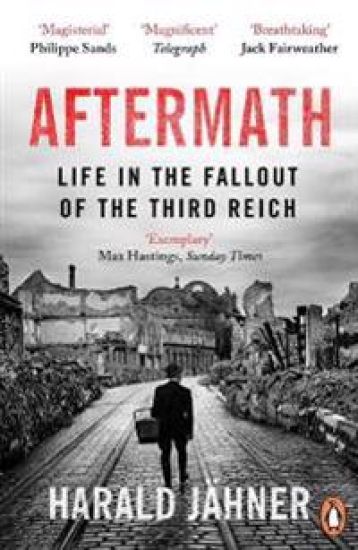
THE TIMES TOP 10 BESTSELLER***SHORTLISTED FOR THE BAILLIE GIFFORD PRIZE FOR NON-FICTION******SHORTLISTED FOR THE BRITISH ACADEMY BOOK PRIZE******SHORTLISTED FOR THE CUNDILL HISTORY PRIZE***A Book of the YearThe Times * Sunday Times * Telegraph * New Statesman * Financial Times * Irish Independent * Daily Mail'A masterpiece' SPECTATOR'Exemplary [and] important... This is the kind of book few writers possess the clarity of vision to write' MAX HASTINGS, SUNDAY TIMES'Magnificent... There are great lessons in the nature of humanity to be learnt here' TELEGRAPHGermany, 1945: a country in ruins. Cities have been reduced to rubble and more than half of the population are where they do not belong or do not want to be. How can a functioning society ever emerge from this chaos?In bombed-out Berlin, Ruth Andreas-Friedrich, journalist and member of the Nazi resistance, warms herself by a makeshift stove and records in her diary how a frenzy of expectation and industriousness grips the city. The Americans send Hans Habe, an Austro-Hungarian Jewish journalist and US army soldier, to the frontline of psychological warfare - tasked with establishing a newspaper empire capable of remoulding the minds of the Germans. The philosopher Hannah Arendt returns to the country she fled to find a population gripped by a manic loquaciousness, but faces a deafening wall of silence at the mention of the Holocaust.Aftermath is a nuanced panorama of a nation undergoing monumental change. 1945 to 1955 was a raw, wild decade poised between two eras that proved decisive for Germany's future - and one starkly different to how most of us imagine it today. Featuring black and white photographs and posters from post-war Germany - some beautiful, some revelatory, some shocking - Aftermath evokes an immersive portrait of a society corrupted, demoralised and freed - all at the same time.
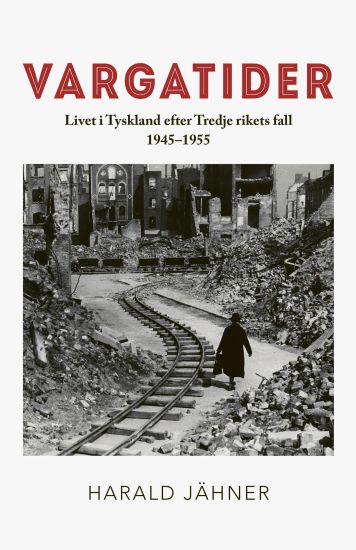
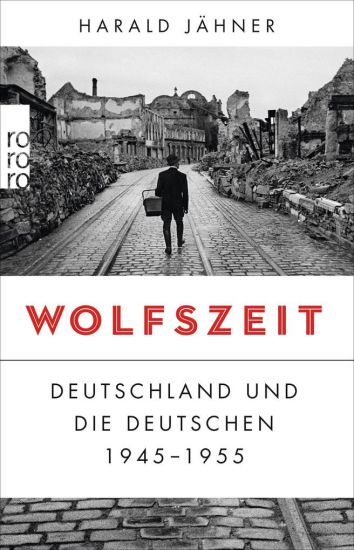
Vargatider. Livet i Tyskland efter Tredje rikets fall 1945–1955
Harald Jähner
Bokförlaget Daidalos
2022
pokkari
»Detta är populärvetenskap av bästa sort.» /DIE ZEIT»Det finns nästan hur många lysande böcker som helst, men en del strålar mer än andra.» /Erhard Schütz i DER FREITAG »Ett mästerverk.» /THE SPECTATOR »Det är få författare som klarar av att skriva en bok av det här slaget.» /Max Hastings i SUNDAY TIMES Tyskland 1945. Ett land i ruiner med utbombade och evakuerade människor, hemvändande soldater, flyktingar och fördrivna, frigivna tvångsarbetare och koncentrationslägerfångar. Journalisten Harald Jähner skildrar i denna fascinerande bok hur vardagen gestaltades för denna människomassa: uppröjningsarbetet, jakten på mat, de svarta marknaderna, lusten att leva på nytt, att gå ut och dansa, att leva ut kärlek och sexualitet, men också besvikelserna över de återvändande krigsskadade männen, de många skilsmässorna. Härifrån förflyttar sig skildringen till livets kulturella sidor, till det intellektuella livet, den abstrakta konsten och den nya formgivningen och inte minst till bortträngningen av det nyligen förflutna. Hur kom det sig, frågar sig Jähner, att tyskarna kunde frigöra sig från den mentalitet som hade möjliggjort den nationalsocialistiska regimen utan att gå igenom den »bearbetning av det förflutna» som kom först långt senare. Hur uppstod ur det efterkrigstida kaoset en stabil demokrati och ett ekonomiskt under? Vargatider är inte en fackhistorisk avhandling, utan en bred kulturhistorisk skildring. Den berättar i en essäistisk stil om efterkrigsåren och gör flitigt bruk av dagböcker, romaner, filmer, tidningar, dikter och sånger. Boken belönades 2019 av bokmässan i Leipzig med Preis der Leipziger Buchmesse. Harald Jähner är journalist, tidigare redaktör på "Berliner Zeitung" och hedersprofessor i kulturjournalistik vid Universität der Künste i Berlin.