Kirjojen hintavertailu. Mukana 12 595 353 kirjaa ja 12 kauppaa.

Kirjailija

Harihara Subramanian

Kirjat ja teokset yhdessä paikassa: 4 kirjaa, julkaisuja vuosilta 2017-2022, suosituimpien joukossa Cognitive Internet of Things. Vertaile teosten hintoja ja tarkista saatavuus suomalaisista kirjakaupoista.

4 kirjaa

Kirjojen julkaisuhaarukka 2017-2022.

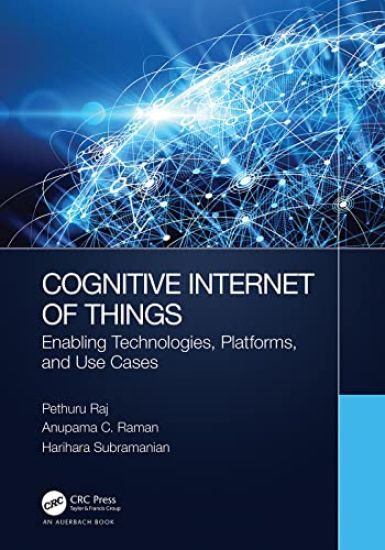
Cognitive Internet of Things

Cognitive Internet of Things

Pethuru Raj; Anupama C. Raman; Harihara Subramanian

TAYLOR FRANCIS LTD
2022
sidottu
The Internet of Things (IoT) concept is defined as a flexible and futuristic network where all the different types of devices and smart objects can become seamlessly connected to each other and can actively participate in all types of processes which are happening around us. The grand objective of making physical, mechanical, electrical, and electronic devices to use the deeper and extreme connectivity and service-enablement techniques is to make them intelligent in their deeds, decisions, and deals. Cognitive IoT is the application of cognitive computing technologies to the data which is generated by the connected devices of the IoT ecosystem. Cognition means thinking; however, computers are not yet fully capable of mimicking human like thought. However, the present-day computer systems can perform some functions which are like the capability of human beings to think.Cognitive Internet of Things: Enabling Technologies, Platforms, and Use Cases explains the concepts surrounding Cognitive IoT. It also looks at the use cases and such supporting technologies as artificial intelligence and machine learning that act as key enablers of Cognitive IoT ecosystem. Different Cognitive IoT enabled platforms like IBM Watson and other product specific use cases like Amazon Alexa are covered in depth. Other highlights of the book include:Demystifying the cognitive computing paradigmDelineating the key capabilities of cognitive cloud environmentsDeep learning algorithms for cognitive IoT solutionsNatural language processing (NLP) methods for cognitive IoT systemsDesigning a secure infrastructure for cognitive IoT platforms and applications
Cognitive Internet of Things

Cognitive Internet of Things

Pethuru Raj; Anupama C. Raman; Harihara Subramanian

TAYLOR FRANCIS LTD
2022
nidottu
The Internet of Things (IoT) concept is defined as a flexible and futuristic network where all the different types of devices and smart objects can become seamlessly connected to each other and can actively participate in all types of processes which are happening around us. The grand objective of making physical, mechanical, electrical, and electronic devices to use the deeper and extreme connectivity and service-enablement techniques is to make them intelligent in their deeds, decisions, and deals. Cognitive IoT is the application of cognitive computing technologies to the data which is generated by the connected devices of the IoT ecosystem. Cognition means thinking; however, computers are not yet fully capable of mimicking human like thought. However, the present-day computer systems can perform some functions which are like the capability of human beings to think.Cognitive Internet of Things: Enabling Technologies, Platforms, and Use Cases explains the concepts surrounding Cognitive IoT. It also looks at the use cases and such supporting technologies as artificial intelligence and machine learning that act as key enablers of Cognitive IoT ecosystem. Different Cognitive IoT enabled platforms like IBM Watson and other product specific use cases like Amazon Alexa are covered in depth. Other highlights of the book include:Demystifying the cognitive computing paradigmDelineating the key capabilities of cognitive cloud environmentsDeep learning algorithms for cognitive IoT solutionsNatural language processing (NLP) methods for cognitive IoT systemsDesigning a secure infrastructure for cognitive IoT platforms and applications
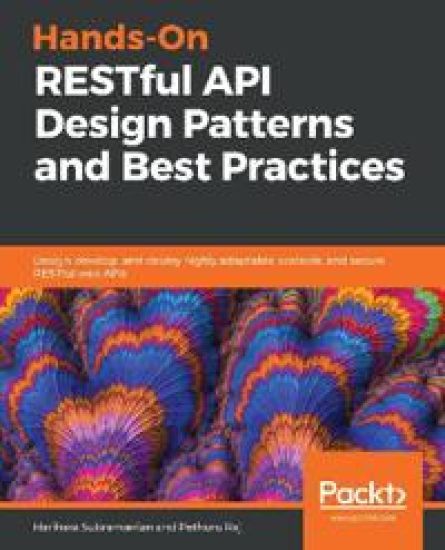
Hands-On RESTful API Design Patterns and Best Practices

Hands-On RESTful API Design Patterns and Best Practices

Harihara Subramanian; Pethuru Raj

Packt Publishing Limited
2019
nidottu
Build effective RESTful APIs for enterprise with design patterns and REST framework’s out-of-the-box capabilitiesKey FeaturesUnderstand advanced topics such as API gateways, API securities, and cloudImplement patterns programmatically with easy-to-follow examplesModernize legacy codebase using API connectors, layers, and microservicesBook DescriptionThis book deals with the Representational State Transfer (REST) paradigm, which is an architectural style that allows networked devices to communicate with each other over the internet. With the help of this book, you’ll explore the concepts of service-oriented architecture (SOA), event-driven architecture (EDA), and resource-oriented architecture (ROA). This book covers why there is an insistence for high-quality APIs toward enterprise integration.It also covers how to optimize and explore endpoints for microservices with API gateways and touches upon integrated platforms and Hubs for RESTful APIs. You’ll also understand how application delivery and deployments can be simplified and streamlined in the REST world. The book will help you dig deeper into the distinct contributions of RESTful services for IoT analytics and applications.Besides detailing the API design and development aspects, this book will assist you in designing and developing production-ready, testable, sustainable, and enterprise-grade APIs. By the end of the book, you’ll be empowered with all that you need to create highly flexible APIs for next-generation RESTful services and applications.What you will learnExplore RESTful concepts, including URI, HATEOAS, and Code on DemandStudy core patterns like Statelessness, Pagination, and DiscoverabilityOptimize endpoints for linked microservices with API gatewaysDelve into API authentication, authorization, and API security implementationsWork with Service Orchestration to craft composite and process-aware servicesExpose RESTful protocol-based APIs for cloud computingWho this book is forThis book is primarily for web, mobile, and cloud services developers, architects, and consultants who want to build well-designed APIs for creating and sustaining enterprise-class applications. You’ll also benefit from this book if you want to understand the finer details of RESTful APIs and their design techniques along with some tricks and tips.
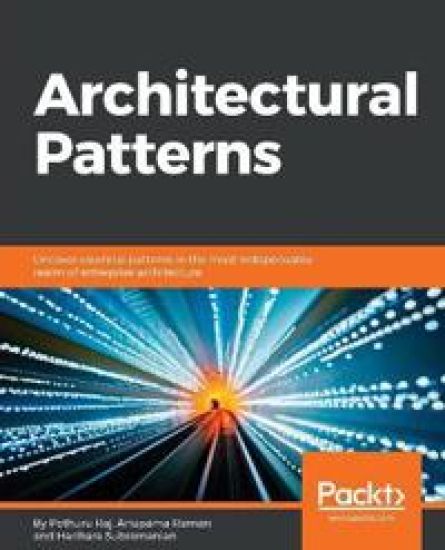
Architectural Patterns

Architectural Patterns

Pethuru Raj Chelliah; Harihara Subramanian; Anupama Murali

Packt Publishing Limited
2017
nidottu
Learn the importance of architectural and design patterns in producing and sustaining next-generation IT and business-critical applications with this guide. Key Features Use patterns to tackle communication, integration, application structure, and more Implement modern design patterns such as microservices to build resilient and highly available applications Choose between the MVP, MVC, and MVVM patterns depending on the application being built Book Description Enterprise Architecture (EA) is typically an aggregate of the business, application, data, and infrastructure architectures of any forward-looking enterprise. Due to constant changes and rising complexities in the business and technology landscapes, producing sophisticated architectures is on the rise. Architectural patterns are gaining a lot of attention these days. The book is divided in three modules. You'll learn about the patterns associated with object-oriented, component-based, client-server, and cloud architectures. The second module covers Enterprise Application Integration (EAI) patterns and how they are architected using various tools and patterns. You will come across patterns for Service-Oriented Architecture (SOA), Event-Driven Architecture (EDA), Resource-Oriented Architecture (ROA), big data analytics architecture, and Microservices Architecture (MSA). The final module talks about advanced topics such as Docker containers, high performance, and reliable application architectures. The key takeaways include understanding what architectures are, why they're used, and how and where architecture, design, and integration patterns are being leveraged to build better and bigger systems. What you will learn Understand how several architectural and design patterns work to systematically develop multitier web, mobile, embedded, and cloud applications Learn object-oriented and component-based software engineering principles and patterns Explore the frameworks corresponding to various architectural patterns Implement domain-driven, test-driven, and behavior-driven methodologies Deploy key platforms and tools effectively to enable EA design and solutioning Implement various patterns designed for the cloud paradigmWho this book is for This book will empower and enrich IT architects (such as enterprise architects, software product architects, and solution and system architects), technical consultants, evangelists, and experts.