Kirjojen hintavertailu. Mukana 12 595 353 kirjaa ja 12 kauppaa.
Kirjailija
Harrison Candelaria Fletcher
Kirjat ja teokset yhdessä paikassa: 4 kirjaa, julkaisuja vuosilta 2012-2026, suosituimpien joukossa Comfort of Stone. Vertaile teosten hintoja ja tarkista saatavuus suomalaisista kirjakaupoista.
8. NEVER KNEW THE WORDS. Never knew the prayers. Never completed the path. You were bullied at catechism. Never went back. What you knew of faith came from the earth. Grieving your father, you sought afterlife through your fingers. In rocks. In roots. In sun-drenched roads with your mother. Ignorant, ashamed before altars and saints, in the llano, you felt a presence. From stone, a warmth you allowed inside, enveloping your absence-
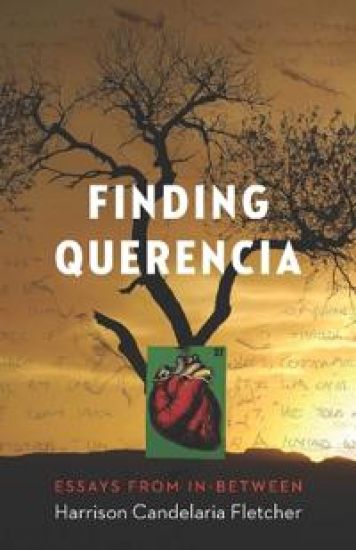
With its roots in the Spanish verb querer-"to want, to love"-the term querencia has been called untranslatable but has come to mean a place of safety and belonging, that which we yearn for when we yearn for home. In this striking essay collection, Harrison Candelaria Fletcher shows that querencia is also a state of being: the peace that arises when we reconcile who we are. A New Mexican of mixed Latinx and white ethnicity, Candelaria Fletcher ventures into the fault lines of culture, landscape, and spirit to discover the source of his lifelong hauntings. Writing in the persona of coyote, New Mexican slang for "mixed," he explores the hyphenated elements within himself, including his whiteness. Blending memory, imagination, form, and language, each essay spirals outward to investigate, accept, and embrace hybridity. Ultimately, Finding Querencia offers a new vocabulary of mixed-ness, a way to reconcile the crosscurrents of self and soul.
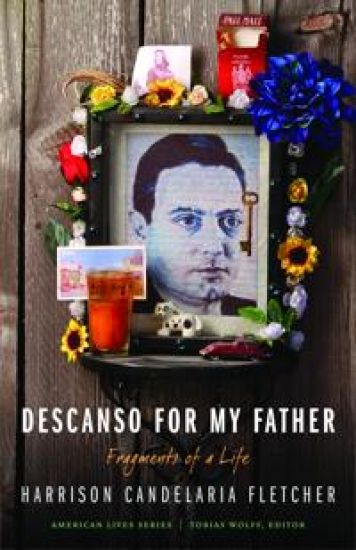
When his father died, Harrison Candelaria Fletcher wasn't quite two. His mother packed up his father's belongings, put the boxes in a hall closet, and closed the door. The "man in a box" remained a mystery, hardly mentioned, and making only rare appearances in stories when Fletcher or his siblings inquired. Meanwhile, his young Hispanic mother transformed herself into an artist, scouting the back roads and secondhand shops of New Mexico for relics and unlikely treasures to add to her "little shrines," or descansos. "Look closely," she'd say to her son. "Everything tells a story." This book is Fletcher's literary descanso, a piecing together—from moments and objects and words—of a father's life, of the life lived without that father, and of his own mixed-race identity. Fletcher's reflections unfold like a collage, offering a rich array of images and stories of life with his single mother, organizing weekend family car trips to explore graveyards and adobe ruins; of growing up on the fault lines of class and culture; of being a father who never had one of his own to learn from. From incidents and observations, Fletcher assembles a beautifully crafted portrait of his family's unspoken affliction with loss over the decades, a portrait that finally evokes the father at its heart.