Kirjojen hintavertailu. Mukana 12 119 247 kirjaa ja 12 kauppaa.

Kirjailija

Hassan M. El Shaer

Kirjat ja teokset yhdessä paikassa: 2 kirjaa, julkaisuja vuosilta 2015-2019, suosituimpien joukossa Halophytic and Salt-Tolerant Feedstuffs. Vertaile teosten hintoja ja tarkista saatavuus suomalaisista kirjakaupoista.

2 kirjaa

Kirjojen julkaisuhaarukka 2015-2019.

Halophytic and Salt-Tolerant Feedstuffs

Halophytic and Salt-Tolerant Feedstuffs

Hassan M. El Shaer; Victor Roy Squires

CRC Press
2019
nidottu
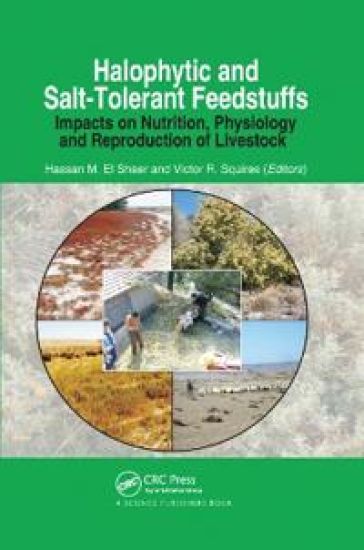
Naturally occurring salt tolerant and halophytic plants (trees, shrubs, grasses, and forbs) have always been utilized by livestock as a supplement or drought reserve. Salt tolerant forage and fodder crops are now being planted over wide areas. Increasingly, large-scale production of fodder on formerly abandoned irrigated cropland has allowed salt tolerant and halophytic feedstuffs to be mainstreamed into the supply chain for feedlots. Feeding salty feeds to livestock has been evaluated in many countries with good outcomes especially as a way to improve livestock nutrition and productivity. Better ways have been devised to use these potentially valuable feed resources. These feedstuffs are best fed in mixed rations. Substituting conventional fodder with up to 30 percent of the diets comprising halophytic feedstuffs have proved most successful for ruminant livestock but special formulations have been devised for poultry and rabbits. There are big savings on the import of costly feedstuffs and benefits to livelihoods of those dependent on scattered, sparse and unreliable forage/fodder in the world’s drylands that cover about 40 percent of the world’s land surface.This book is written by leading authorities from many different countries. It reviews past and current work on the animal-oriented aspects of the utilization of feedstuffs derived from salt tolerant and halophytic plants. It brings to the reader (scientist, researcher, academics and their students, policy makers, and livestock operators) an up-to-date analysis of the important issues related to salt-rich feedstuffs (nutrition, productivity, and reproduction).
Halophytic and Salt-Tolerant Feedstuffs

Halophytic and Salt-Tolerant Feedstuffs

Hassan M. El Shaer; Victor Roy Squires

Productivity Press
2015
sidottu
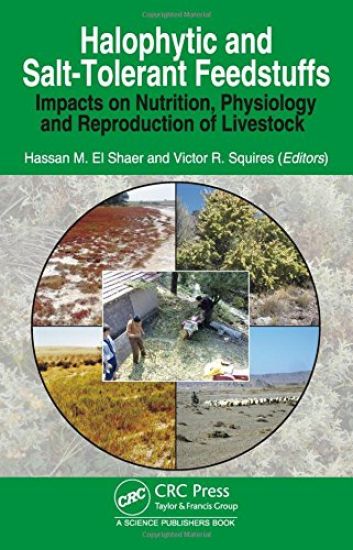
Naturally occurring salt tolerant and halophytic plants (trees, shrubs, grasses, and forbs) have always been utilized by livestock as a supplement or drought reserve. Salt tolerant forage and fodder crops are now being planted over wide areas. Increasingly, large-scale production of fodder on formerly abandoned irrigated cropland has allowed salt tolerant and halophytic feedstuffs to be mainstreamed into the supply chain for feedlots. Feeding salty feeds to livestock has been evaluated in many countries with good outcomes especially as a way to improve livestock nutrition and productivity. Better ways have been devised to use these potentially valuable feed resources. These feedstuffs are best fed in mixed rations. Substituting conventional fodder with up to 30 percent of the diets comprising halophytic feedstuffs have proved most successful for ruminant livestock but special formulations have been devised for poultry and rabbits. There are big savings on the import of costly feedstuffs and benefits to livelihoods of those dependent on scattered, sparse and unreliable forage/fodder in the world’s drylands that cover about 40 percent of the world’s land surface.This book is written by leading authorities from many different countries. It reviews past and current work on the animal-oriented aspects of the utilization of feedstuffs derived from salt tolerant and halophytic plants. It brings to the reader (scientist, researcher, academics and their students, policy makers, and livestock operators) an up-to-date analysis of the important issues related to salt-rich feedstuffs (nutrition, productivity, and reproduction).