Kirjojen hintavertailu. Mukana 12 300 710 kirjaa ja 12 kauppaa.

Kirjailija

Hava Aldouby

Kirjat ja teokset yhdessä paikassa: 3 kirjaa, julkaisuja vuosilta 2013-2026, suosituimpien joukossa The European Canon and Contemporary Artists’ Moving Image. Vertaile teosten hintoja ja tarkista saatavuus suomalaisista kirjakaupoista.

3 kirjaa

Kirjojen julkaisuhaarukka 2013-2026.

Federico Fellini

Federico Fellini

Hava Aldouby

University of Toronto Press
2013
sidottu
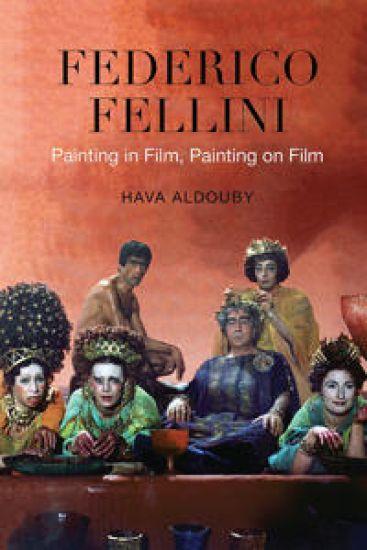
Federico Fellini professed a desire to create “an entire film made of immobile pictures.” In this study, Hava Aldouby uses this quotation as a launching point to analyze Fellini’s films as sequences of “pictures” that draw extensively on art history, and particularly painting, as a reservoir of visual imagery. Aldouby employs an innovative pictorial approach that allows her to uncover a wealth of visual evocations overlooked by Fellini scholars over the years. Federico Fellini: Painting in Film, Painting on Film sheds light on the intertextual links between Fellini’s films and the works of various artists, from Velazquez to Francis Bacon, by identifying references to specific paintings in his films. Using new archival evidence from Fellini’s private library, brought to light for the first time here, Aldouby draws out Fellini’s in-depth knowledge of art history and his systematic employment of art-historical allusions.
Federico Fellini

Federico Fellini

Hava Aldouby

University of Toronto Press
2013
pokkari
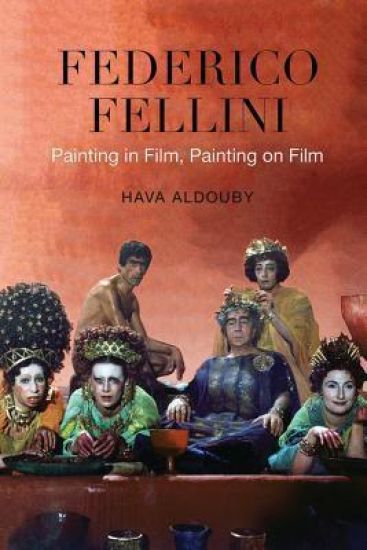
Federico Fellini professed a desire to create “an entire film made of immobile pictures.” In this study, Hava Aldouby uses this quotation as a launching point to analyze Fellini’s films as sequences of “pictures” that draw extensively on art history, and particularly painting, as a reservoir of visual imagery. Aldouby employs an innovative pictorial approach that allows her to uncover a wealth of visual evocations overlooked by Fellini scholars over the years. Federico Fellini: Painting in Film, Painting on Film sheds light on the intertextual links between Fellini’s films and the works of various artists, from Velazquez to Francis Bacon, by identifying references to specific paintings in his films. Using new archival evidence from Fellini’s private library, brought to light for the first time here, Aldouby draws out Fellini’s in-depth knowledge of art history and his systematic employment of art-historical allusions.