Kirjojen hintavertailu. Mukana 12 595 353 kirjaa ja 12 kauppaa.
Kirjailija
Heather Moulaison Sandy
Kirjat ja teokset yhdessä paikassa: 5 kirjaa, julkaisuja vuosilta 2017-2026, suosituimpien joukossa Digital Preservation for Libraries, Archives, and Museums. Vertaile teosten hintoja ja tarkista saatavuus suomalaisista kirjakaupoista.
Mukana myös kirjoitusasut: Heather Moulaison-Sandy
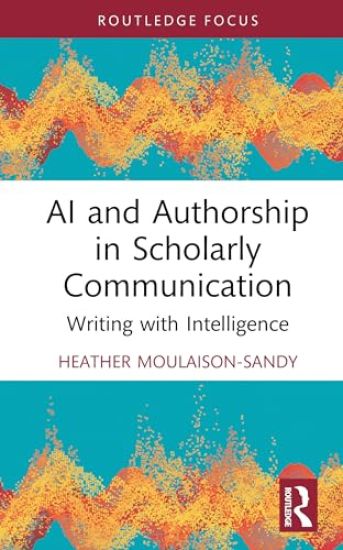
AI and Authorship in Scholarly Communication explores the role of artificial intelligence (AI) as it pertains to scholarly research and writing.Explaining what AI is and how it can be used by scholars, the book also focuses on aspects with the potential to change the scholarly communication landscape. Bringing together research on AI and writing from the scholarly literature in LIS and beyond, the book weaves together information about essential topics relating to AI and authorship. In laying out the primary concerns surrounding AI in the field of scholarly communication, Moulaison-Sandy considers how those concerns map to norms and practices in research and writing. The book likewise explores the future landscape of scholarly communication, an environment in which AI will continue to play an important role.AI and Authorship in Scholarly Communication will be of great interest to scholars, students, and practitioners and will be particularly useful to those studying AI or authorship from a library and information science (LIS) perspective. Researchers or practitioners working in higher education or with learning technologies will also find much to interest them within the pages of the book.
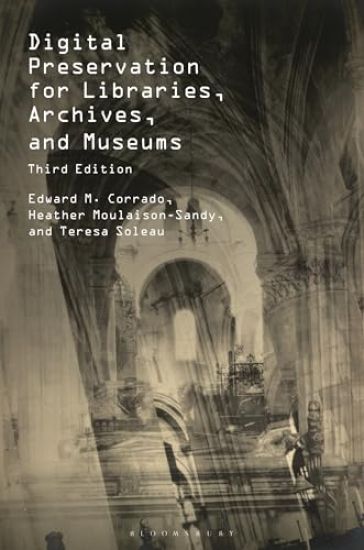
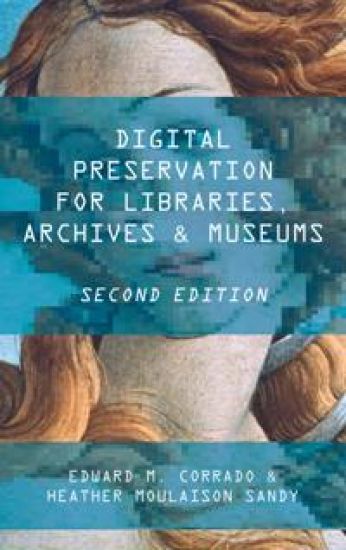
This new edition of Digital Preservation in Libraries, Archives, and Museums is the most current, complete guide to digital preservation available today. For administrators and practitioners alike, the information in this book is presented readably, focusing on management issues and best practices. Although this book addresses technology, it is not solely focused on technology. After all, technology changes and digital preservation is aimed for the long term. This is not a how-to book giving step-by-step processes for certain materials in a given kind of system. Instead, it addresses a broad group of resources that could be housed in any number of digital preservation systems. Finally, this book is about “things (not technology; not how-to; not theory) I wish I knew before I got started.” Digital preservation is concerned with the life cycle of the digital object in a robust and all-inclusive way. Many Europeans and some North Americans may refer to digital curation to mean the same thing, taking digital preservation to be the very limited steps and processes needed to insure access over the long term. The authors take digital preservation in the broadest sense of the term: looking at all aspects of curating and preserving digital content for long term access. The book is divided into four part: 1.Situating Digital Preservation, 2.Management Aspects, 3.Technology Aspects, and 4.Content-Related Aspects. Digital Preservation will answer questions that you might not have even known you had, leading to more successful digital preservation initiatives.
This new edition of Digital Preservation in Libraries, Archives, and Museums is the most current, complete guide to digital preservation available today. For administrators and practitioners alike, the information in this book is presented readably, focusing on management issues and best practices. Although this book addresses technology, it is not solely focused on technology. After all, technology changes and digital preservation is aimed for the long term. This is not a how-to book giving step-by-step processes for certain materials in a given kind of system. Instead, it addresses a broad group of resources that could be housed in any number of digital preservation systems. Finally, this book is about “things (not technology; not how-to; not theory) I wish I knew before I got started.” Digital preservation is concerned with the life cycle of the digital object in a robust and all-inclusive way. Many Europeans and some North Americans may refer to digital curation to mean the same thing, taking digital preservation to be the very limited steps and processes needed to insure access over the long term. The authors take digital preservation in the broadest sense of the term: looking at all aspects of curating and preserving digital content for long term access. The book is divided into four part: 1.Situating Digital Preservation, 2.Management Aspects, 3.Technology Aspects, and 4.Content-Related Aspects. Digital Preservation will answer questions that you might not have even known you had, leading to more successful digital preservation initiatives.