Kirjojen hintavertailu. Mukana 12 390 323 kirjaa ja 12 kauppaa.
Kirjailija
Hector Y. Adames
Kirjat ja teokset yhdessä paikassa: 7 kirjaa, julkaisuja vuosilta 2016-2026, suosituimpien joukossa Ethics in Psychotherapy and Counseling. Vertaile teosten hintoja ja tarkista saatavuus suomalaisista kirjakaupoista.
This book offers a concise, practical guide to ethical and legal concerns related to therapists' sexual feelings and fantasies. The psychotherapy profession has always struggled to deal openly with therapists' sexual feelings. Between the often unavoidable fact of sexual attraction, and the potential crossing of boundaries and sexual relationships with clients, there exists a wide range of assumptions, beliefs, feelings, and daydreams that often are suppressed and unspoken-sometimes with devastating consequences. This candid, practical book addresses three distinct areas related to therapists amp rsquo sexual feelings: sexual attractions to clients (including sexual fantasies, dreams, and arousal) the violation of sexual boundaries with clients (including consensual therapist-patient sexual involvement) and forensic issues, including therapists who testify in cases where therapist-patient sex is at issue. The authors offer an extensive review of widespread and changing approaches to this topic in the history of psychotherapy, alongside a comprehensive look at current standards and research findings. They also provide important information for fact and expert witnesses, examining the evolving ethical and legal standards surrounding sexual relationships between therapists and clients, and discuss how to respond to clients to report having been sexually involved with a prior therapist. Incisive reflection questions encourage readers to recognize and respond appropriately to their own feelings in the therapy room.
This book shows how silence around taboo topics can undermine therapy goals, as well as the teaching, practice, and profession of psychotherapy more broadly. It gives readers the skills they need to recognize and overcome barriers to speaking up. The authors describe current and historical contexts that can make frank discussions of certain topics difficult, and present factors that play a role in self-silencing. Strategies including questions for reflection and group exercises can help readers build the courage to talk more openly, honestly, and directly in the therapy room and beyond. Chapters focus on a variety of topics that can be difficult to discuss openly including physical difference and disability, sexual orientation, sexual reactions to clients, therapist feelings of anger, oppression, white supremacy culture, religion, money and fees, and death and dying.Speaking the Unspoken seeks to create dialogue, by encouraging the reader to deepen their understanding of these underexamined topics and improve their ability to help clients and strengthen the profession.
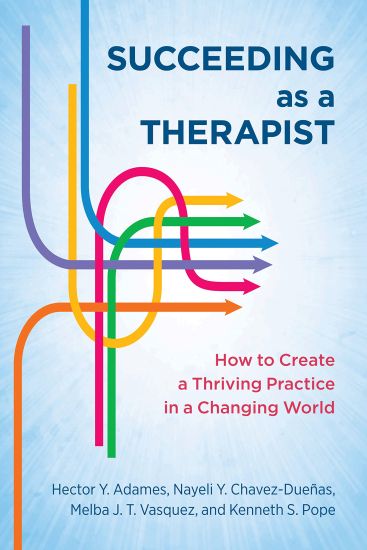
This user-friendly, practical guide summarizes everything therapists need to know about setting up, growing, and protecting their independent therapy practice. In this book, a team of experienced psychologists with diverse experiences and perspectives guides readers through the common and not-so-common challenges inherent in managing an independent practice. Given that the COVID pandemic has changed therapy from a service typically delivered in person to one often conducted via teleconference, therapists need to ensure that their practice meets the changing needs of their clients as well as themselves. The chapters flow from initial preparation for successful independent practice and creating a business plan, to closing or selling a practice, and everything in between, including: Helping clients find you Preparing for emergencies Self and community care Legal, insurance, and financial issues The authors also provide key resources including professional guidelines relevant to therapists, recommendations for responding to subpoenas and submitting records testimony, providing information to professional will executors, and semi-structured interviews and assessments with different types of clients.
Take your ethical reasoning and practice to the next level with timely discussions of new and reoccuring issues in psychology and counseling. In the newly revised Sixth Edition of Ethics in Psychotherapy and Counseling: A Practical Guide, a distinguished team of psychologists deliver a compilation of practical and creative approaches to the responsibilities, challenges, and opportunities encountered by therapists and counselors in their work. The book covers the many changes and difficulties created by new technologies like electronic health records, videoconferencing, texting, and practicing across state and provincial boundaries. Using a new, easy-to-navigate structure and including brand new chapters on cultural ethics, social justice and human rights ethics, and the application of strategies for self-care, the authors discuss complex issues in a straightforward and accessible way. Conversations about moral distress and moral courage and actionable steps to strengthen ethics in organizational settings round out the useful material contained within. Once referred to as the "conscience of psychology," this must-read book also includes: A thorough introduction to the foundations of psychotherapeutic ethics, including ethics in real life, ethics in theories and codes, cultural context, ethical decision making, and moral courage.An exploration of common sources of ethical problems and pitfalls, including: pseudoscience, ethical fallacies, ethical judgement errors, language and rationalizationsPractical discussions of special topics in ethics, including informed consent and informed refusal, using strategies for self-care, responding to ethics, licensing, and malpractice complaints, and confidentiality.In-depth examination of timely issues, including sexual attraction to patients, digital therapy, and responding to suicidal risk. Perfect for individual practitioners and teachers of graduate courses, seminars, and continuing education classes, Ethics in Psychotherapy and Counseling: A Practical Guide will also earn a place in the libraries of forensic psychologists and other expert witnesses preparing to testify on the standard of care in malpractice cases.
Advancing work to effectively study, understand, and serve the fastest growing U.S. ethnic minority population, this volume explicitly emphasizes the racial and ethnic diversity within this heterogeneous cultural group. The focus is on the complex historical roots of contemporary Latino/as, their diversity in skin-color and physiognomy, racial identity, ethnic identity, gender differences, immigration patterns, and acculturation. The work highlights how the complexities inherent in the diverse Latino/a experience, as specified throughout the topics covered in this volume, become critical elements of culturally responsive and racially conscious mental health treatment approaches. By addressing the complexities, within-group differences, and racially heterogeneity characteristic of U.S. Latino/as, this volume makes a significant contribution to the literature related to mental health treatments and interventions.
Advancing work to effectively study, understand, and serve the fastest growing U.S. ethnic minority population, this volume explicitly emphasizes the racial and ethnic diversity within this heterogeneous cultural group. The focus is on the complex historical roots of contemporary Latino/as, their diversity in skin-color and physiognomy, racial identity, ethnic identity, gender differences, immigration patterns, and acculturation. The work highlights how the complexities inherent in the diverse Latino/a experience, as specified throughout the topics covered in this volume, become critical elements of culturally responsive and racially conscious mental health treatment approaches. By addressing the complexities, within-group differences, and racially heterogeneity characteristic of U.S. Latino/as, this volume makes a significant contribution to the literature related to mental health treatments and interventions.