Kirjojen hintavertailu. Mukana 12 390 323 kirjaa ja 12 kauppaa.

Kirjailija

Helen Brocklehurst

Kirjat ja teokset yhdessä paikassa: 3 kirjaa, julkaisuja vuosilta 2006-2019, suosituimpien joukossa Who's Afraid of Children?. Vertaile teosten hintoja ja tarkista saatavuus suomalaisista kirjakaupoista.

3 kirjaa

Kirjojen julkaisuhaarukka 2006-2019.

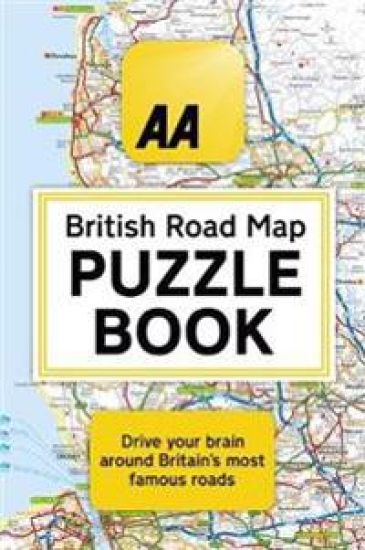
AA British Road Map Puzzle Book

AA British Road Map Puzzle Book

Helen Brocklehurst

Little, Brown Book Group
2019
pokkari
Test your word-puzzling skills, map-reading savvy, general knowledge and problem-solving prowess, with over 400 mind-stretching questions. Guaranteed to drive your mind round the bend, this is the ultimate quiz to British places for motorists and map addicts.
Who's Afraid of Children?

Who's Afraid of Children?

Helen Brocklehurst

Routledge
2016
nidottu
Brocklehurst's impressive work breaks new ground in normative international political theory. It develops a new theoretical framework which exposes how children are present in international relations and security practices using an empirical and comparative assessment of the role of children and youth in a range of conflicts including Nazi Germany, Mozambique, South Africa, Northern Ireland, the Cold War and the British Empire. The author argues powerfully that concepts of children are partial and 'contained' through their construction as non-political. Global in scope, this book is a timely and important contribution given the growing visibility of children in international relations evident after September 11. The political and ethical question at the heart of this book is: will international relations dare to catch up?
Who's Afraid of Children?

Who's Afraid of Children?

Helen Brocklehurst

Ashgate Publishing Limited
2006
sidottu
Brocklehurst's impressive work breaks new ground in normative international political theory. It develops a new theoretical framework which exposes how children are present in international relations and security practices using an empirical and comparative assessment of the role of children and youth in a range of conflicts including Nazi Germany, Mozambique, South Africa, Northern Ireland, the Cold War and the British Empire. The author argues powerfully that concepts of children are partial and 'contained' through their construction as non-political. Global in scope, this book is a timely and important contribution given the growing visibility of children in international relations evident after September 11. The political and ethical question at the heart of this book is: will international relations dare to catch up?