Kirjojen hintavertailu. Mukana 12 390 323 kirjaa ja 12 kauppaa.
Kirjailija
Helen Strudwick
Kirjat ja teokset yhdessä paikassa: 4 kirjaa, julkaisuja vuosilta 1999-2016, suosituimpien joukossa The Pocket Timeline of Ancient Egypt. Vertaile teosten hintoja ja tarkista saatavuus suomalaisista kirjakaupoista.
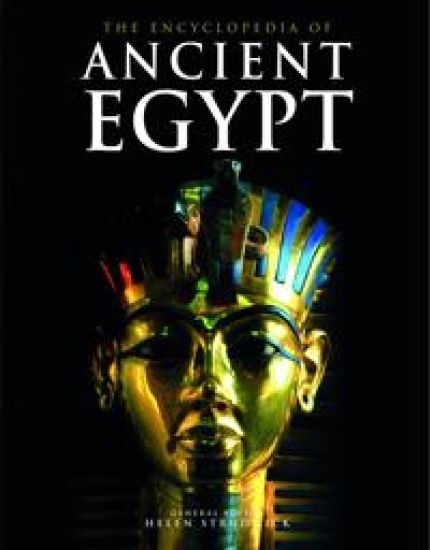
For more than 3,000 years, Egypt was home to the greatest civilization on earth. Illustrated with more than 1,500 photographs and specially commissioned illustrations, The Encyclopedia of Ancient Egypt is a celebration of the wonders of ancient Egypt, from the mask of Tutankhamun to the Valley of the Kings and the great pyramids of Giza, and from tomb hieroglyphs to golden treasures decorated with ankhs and scarabs. Exploring the history, religion, literature, and art of the ancient Egyptians, as well as the day-to-day experience of ordinary citizens such as pyramid builders, scribes, and craftsmen, this book brings to life the world of the pharaohs in vivid detail, providing a wealth of information about this fascinating and mysterious culture.
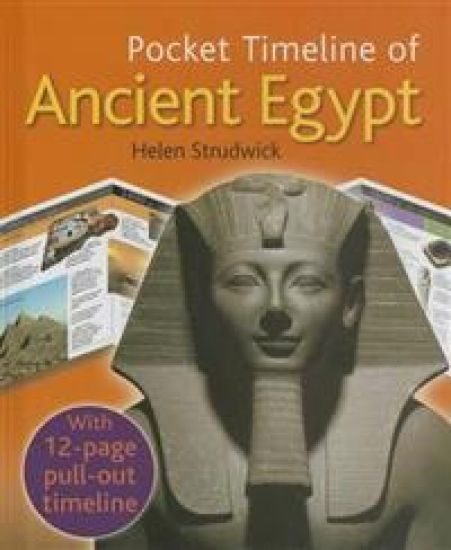
Discover ancient Egypt, from the earliest prehistoric Egyptians, through the ages of the pyramids and pharaohs, to the Roman conquest and the end of ancient Egyptian civilization. Travel back in time to see the pyramids and temples of ancient Egypt, meet some of the great pharaohs, find out about Egyptian art and writing, and investigate the mummies and their tombs.
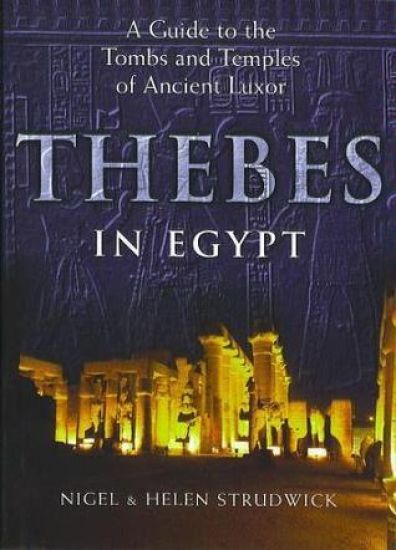
The remains of ancient Thebes constitute one of the largest and most remarkable archaeological sites in all of Egypt and indeed the world. The discoveries made at this site, now the modern town of Luxor, are responsible for much of our knowledge of ancient Egyptian civilization. After excavating and researching the city of Thebes for many years, Nigel and Helen Strudwick here offer the first comprehensive introduction to it, one that will be welcomed by both armchair travelers and visitors to that popular tourist destination. Handsomely illustrated, the book features eighty photographs—thirty in color—and twenty maps and plans.After reviewing the topography of the site, the Strudwicks recount the history of Thebes from the city's rise in the late Old Kingdom to the peak of its power in the New Kingdom and to its gradual decline in the Greco-Roman period. They discuss the central role played by the gods in the community's religious life, and take us on a tour of the great temples of Karnak and Luxor on the East Bank of the Nile and of the temples and tombs of kings, queens, princes, and ordinary individuals on the West Bank.Drawing on their intimate acquaintance with ancient Egyptian society, the authors re-create the lives of Thebans during the New Kingdom. They conclude by assessing Greek, Roman, Coptic, and Islamic influences on the area as it exists today and by providing an overview of the archaeological research undertaken there.
The remains of ancient Thebes constitute one of the largest and most remarkable archaeological sites in all of Egypt and indeed the world. The discoveries made at this site, now the modern town of Luxor, are responsible for much of our knowledge of ancient Egyptian civilization. After excavating and researching the city of Thebes for many years, Nigel and Helen Strudwick here offer the first comprehensive introduction to it, one that will be welcomed by both armchair travelers and visitors to that popular tourist destination. Handsomely illustrated, the book features eighty photographs—thirty in color—and twenty maps and plans.After reviewing the topography of the site, the Strudwicks recount the history of Thebes from the city's rise in the late Old Kingdom to the peak of its power in the New Kingdom and to its gradual decline in the Greco-Roman period. They discuss the central role played by the gods in the community's religious life, and take us on a tour of the great temples of Karnak and Luxor on the East Bank of the Nile and of the temples and tombs of kings, queens, princes, and ordinary individuals on the West Bank.Drawing on their intimate acquaintance with ancient Egyptian society, the authors re-create the lives of Thebans during the New Kingdom. They conclude by assessing Greek, Roman, Coptic, and Islamic influences on the area as it exists today and by providing an overview of the archaeological research undertaken there.