Kirjojen hintavertailu. Mukana 12 390 323 kirjaa ja 12 kauppaa.

Kirjailija

Helen Vallianatos

Kirjat ja teokset yhdessä paikassa: 4 kirjaa, julkaisuja vuosilta 2006-2017, suosituimpien joukossa Poor and Pregnant in New Delhi, India. Vertaile teosten hintoja ja tarkista saatavuus suomalaisista kirjakaupoista.

4 kirjaa

Kirjojen julkaisuhaarukka 2006-2017.

Poor and Pregnant in New Delhi, India

Poor and Pregnant in New Delhi, India

Helen Vallianatos

Routledge
2017
sidottu
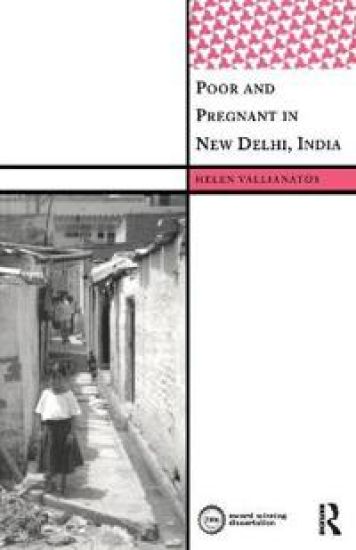
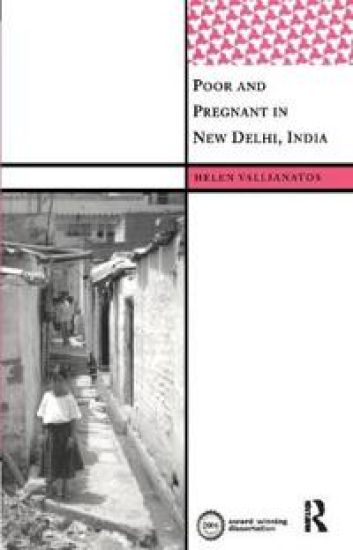
In this innovative contribution to the study of food, gender, and power, Helen Vallianatos meticulously documents cultural values and beliefs, dietary practaices, and the nutritional and health status of mothers in Indian squatter settlements. She explores both large-scale forces incorporating critical medical anthropology and feminist theory into a biocultural paradigm and the local and individual choices New Delhi women make in interpreting cultural dietary norms based on their reproductive histories, socioeconomic status, family structure, and other specific conditions. Her findings have significant implications for nutritional and medical anthropology and development studies, and her innovative research design serves as a model for multi-method studies that use participatory research principles, combine quantitative and qualitative investigations, and interpret diverse types of data.
Acquired Tastes

Acquired Tastes

Brenda L. Beagan; Gwen E. Chapman; Josée Johnston; Deborah McPhail; Elaine M. Power; Helen Vallianatos

University of British Columbia Press
2015
pokkari
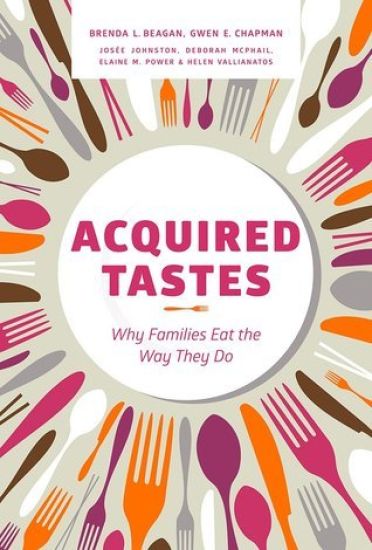
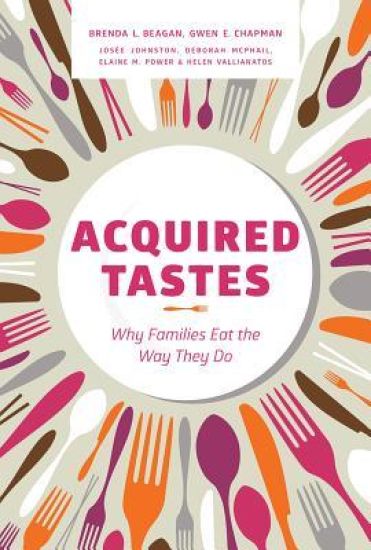
Magazine articles, news items, and self-improvement books tell us that our daily food choices – whether we opt for steak or vegetarian, a TV dinner or a sit-down meal – serve as bold statements about who we are as individuals. Acquired Tastes makes the case that our food habits say more about where we come from and who we would like to be.This intimate portrait of eating habits and attitudes towards food in over one hundred Canadian families in both rural and urban settings reveals that our food choices never solely reflect personal tastes. Age, gender, social class, ethnicity, health concerns, food availability, and political and moral concerns shape the meanings that families attach to food and their self-identities. They also influence how its members respond to social discourses on health, beauty, and the environment, a finding that has profound implications for public health campaigns.
Acquired Tastes

Acquired Tastes

Brenda L. Beagan; Gwen E. Chapman; Josée Johnston; Deborah McPhail; Elaine M. Power; Helen Vallianatos

University of British Columbia Press
2014
sidottu
Magazine articles, news items, and self-improvement books tell us that our daily food choices – whether we opt for steak or vegetarian, a TV dinner or a sit-down meal – serve as bold statements about who we are as individuals. Acquired Tastes makes the case that our food habits say more about where we come from and who we would like to be.This intimate portrait of eating habits and attitudes towards food in over one hundred Canadian families in both rural and urban settings reveals that our food choices never solely reflect personal tastes. Age, gender, social class, ethnicity, health concerns, food availability, and political and moral concerns shape the meanings that families attach to food and their self-identities. They also influence how its members respond to social discourses on health, beauty, and the environment, a finding that has profound implications for public health campaigns.
Poor and Pregnant in New Delhi, India

Poor and Pregnant in New Delhi, India

Helen Vallianatos

Left Coast Press Inc
2006
nidottu
In this innovative contribution to the study of food, gender, and power, Helen Vallianatos meticulously documents cultural values and beliefs, dietary practaices, and the nutritional and health status of mothers in Indian squatter settlements. She explores both large-scale forces—incorporating critical medical anthropology and feminist theory into a biocultural paradigm—and the local and individual choices New Delhi women make in interpreting cultural dietary norms based on their reproductive histories, socioeconomic status, family structure, and other specific conditions. Her findings have significant implications for nutritional and medical anthropology and development studies, and her innovative research design serves as a model for multi-method studies that use participatory research principles, combine quantitative and qualitative investigations, and interpret diverse types of data.