Kirjojen hintavertailu. Mukana 12 293 398 kirjaa ja 12 kauppaa.
Kirjailija
Henrietta L. Moore
Kirjat ja teokset yhdessä paikassa: 12 kirjaa, julkaisuja vuosilta 1988-2025, suosituimpien joukossa African Archaeology Without Frontiers. Vertaile teosten hintoja ja tarkista saatavuus suomalaisista kirjakaupoista.
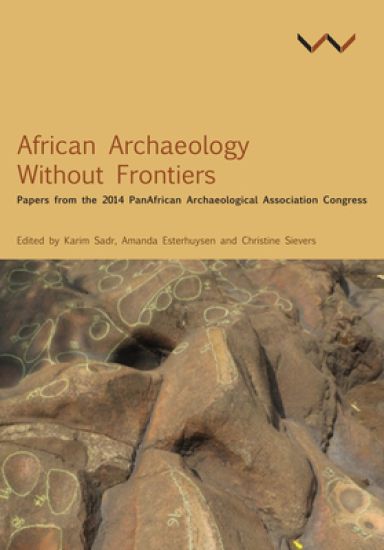
Confronting national, linguistic and disciplinary boundaries, contributors to African Archaeology Without Frontiers argue against artificial limits and divisions created through the study of `ages’ that in reality overlap and cannot and should not be understood in isolation. Papers are drawn from the proceedings of the landmark 14th PanAfrican Archaeological Association Congress held in Johannesburg in 2014, nearly seven decades after the conference planned for 1951 was relocated to Algiers following the National Party’s rise to power in South Africa. Contributions by keynote speakers Chapurukha Kusimba and AkinOgundiran encourage African archaeologists to practise an archaeology that collaborates across many related fields of study to enrich our understanding of the past. The nine papers cover a broad geographical sweep by incorporating material on ongoing projects throughout the continent, including South Africa, Botswana, Cameroon, Togo, Tanzania, Kenya and Nigeria. Thematically, the papers included in the volume address issues of identity and interaction, and the need to balance cultural heritage management and sustainable development derived from a continent racked by social inequalities and crippling poverty. Edited by three leading archaeologists, the collection covers many aspects of African archaeology, and a range of periods from the earliest hominins to the historical period.
Explore the financial, social, ethical, and environmental impacts of our obsession with, and dependency on, cars. Learn how to change the way we use them. Roadkill: Unveiling the True Cost of Our Toxic Relationship with Cars, by Professor Henrietta Moore and Arthur Kay, explores the philosophical implications of car culture, as well as the practical impacts it has on your money, your taxes, your neighborhood, your planet, your health, and your happiness. While the car has been marketed as a symbol of “freedom”, the authors convincingly argue that it has limited the flourishing of our cities and restricted our choices. How can we fix our toxic relationship with cars? The authors offer a new way of thinking that promises to multiply your choices, improve your city, and expand your freedoms. Inside the book: Jaw-dropping, real-world examples of the human and monetary costs imposed by cars, including the fact that cars have killed 60 to 80 million people since their invention, more than the deaths of WWI and WWII combined.Philosophical arguments explaining how car-centric cities restrict the freedoms of drivers and non-drivers alike.A catalogue of ideas and approaches for urban designers, transport planners, policymakers, and mayors.Practical recommendations for all contexts: for you, your family, your neighborhood, your town or city, and your national government.Critiques of the myths around electric cars and autonomous cars, providing readers with a comprehensive understanding of the implications of this emerging frontier.Ideas on how we can re-frame our relationship with the car? The authors recognize they can be useful machines, when used intentionally, and thoughtfully invited into our lives.Over 45 figures, original illustrations, diagrams, and colour photographs. Roadkill is a persuasive and illuminating call to action for city dwellers, drivers, environmentalists, urbanists, and policymakers—anyone interested in practical ways to improve your life and expand your freedoms.
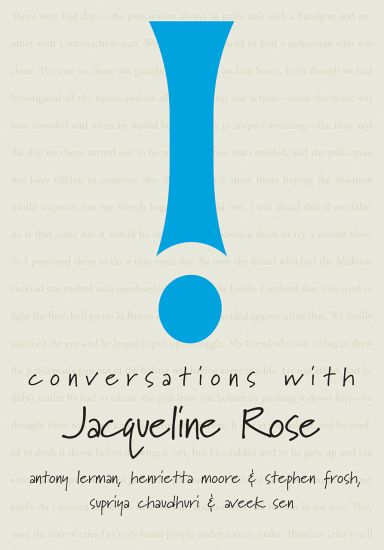
In this collection of conversations that were conducted in Calcutta, at the London School of Economics, through Jewish Book Week, and on the radical website openDemocracy, internationally renowned Jewish scholar Jacqueline Rose explores the debates that have fueled her writing and thinking over three decades. Drawn out by her interlocutors, Rose discusses the difference between political and sexual identity and inquires whether psychoanalysis can be considered a radical form of thought that can be used fruitfully in dialogue about political struggle. Most significantly—since each of these conversations were sparked by her recent and controversial writing on Zionism, Israel, and Palestine—Rose reflects on the role of Jewish dissent in our time. In these conversations, Rose appears courageous, passionate, ethical, and never afraid to engage politically on issues that are of human concern in the ongoing Middle and Near East crisis.
How adequate are our theories of globalisation for analysing the worlds we share with others? In this provocative new book, Henrietta Moore asks us to step back and re-examine in a fresh way the interconnections normally labeled 'globalisation'. Rather than beginning with abstract processes and flows, Moore starts by analyzing the hopes, desires and satisfactions of individuals in their day-to-day lives. Drawing on a wide range of examples, from African initiation rituals to Japanese anime, from sex in virtual worlds to Schubert songs, Moore develops a theory of the ethical imagination, exploring how ideas about the human subject, and its capacities for self-making and social transformation, form a basis for reconceptualizing the role and significance of culture in a global age. She shows how the ideas of social analysts and ordinary people intertwine and diverge, and argues for an ethics of engagement based on an understanding of the human need to engage with cultural problems and seek social change. This innovative and challenging book is essential reading for anyone interested in the key debates about culture and globalization in the contemporary world.
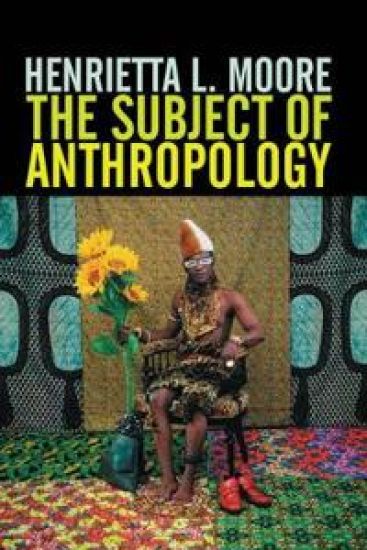
In this ambitious new book, Henrietta Moore draws on anthropology, feminism and psychoanalysis to develop an original and provocative theory of gender and of how we become sexed beings. Arguing that the Oedipus complex is no longer the fulcrum of debate between anthropology and psychoanalysis, she demonstrates how recent theorizing on subjectivity, agency and culture has opened up new possibilities for rethinking the relationship between gender, sexuality and symbolism. Using detailed ethnographic material from Africa and Melanesia to explore the strengths and weaknesses of a range of theories in anthropology, feminism and psychoanalysis, Moore advocates an ethics of engagement based on a detailed understanding of the differences and similarities in the ways in which local communities and western scholars have imaginatively deployed the power of sexual difference. She demonstrates the importance of ethnographic listening, of focused attention to people’s imaginations, and of how this illuminates different facets of complex theoretical issues and human conundrums. Written not just for professional scholars and for students but for anyone with a serious interest in how gender and sexuality are conceptualized and experienced, this book is the most powerful and persuasive assessment to date of what anthropology has to contribute to these debates now and in the future.
In this new book Henrietta Moore examines the nature and limitations of the theoretical languages used by anthropologists and others to write about sex, gender and sexuality. Moore begins by discussing recent feminist debates on the body and the notion of the non-universal human subject. She then considers why anthropologists have contributed relatively little to these debates, and suggests that this has much to do with the history of anthropological thought with regard to the conceptualization of "persons" and "selves" cross-culturally. Moore develops a specific anthropological approach to feminist post-structuralist and psychoanalytic theory. In subsequent chapters Moore pursues a series of related themes including the links between gender, identity and violence; questions of gender and identity in the context of intra-household resource allocation; the construction of domestic space and its relationship to bodily practices and the internationalization of relations of difference; and the links between the gender of the anthropologist and the writing of anthropology. This volume demonstrates anthropology's contribution to current debates in feminist theory.
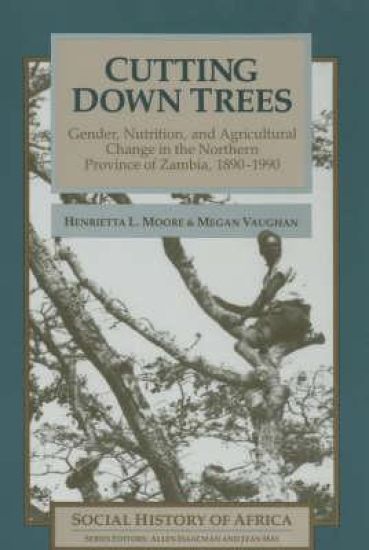
Herskovits Prize Winner What are the problems of rural food supply in southern Africa today and how have they arisen historically? In part this book is a reconstruction of an African agricultural system over one hundred years; in part it is an examination of the construction of knowledge about a rural African people. The first half of the book focuses on the chitemene agricultural system of the Bemba known as slash and burn. The authors show that chitemene involves a great deal more than the cutting and burning of trees. The second half addresses the question of labour migration and its effects on the agricultural production of the area, re-visiting the colonial debate with new evidence. The authorsprovide a critical re-assessment of Audrey Richards' classic work, Land, Labour and Diet: An Economic Study of the Bemba Tribe and assess the ecological, social and political impact on a rural society undergoing rapid change. North America: Heinemann
Examines the nature and significance of a feminist critique in anthropology, offering an introduction to and assessment of the theoretical and practical issues raised by the development of a feminist anthropology, including what social anthropology can offer for contemporary feminism.