Kirjojen hintavertailu. Mukana 12 595 353 kirjaa ja 12 kauppaa.
Kirjailija
Henry F. Carey
Kirjat ja teokset yhdessä paikassa: 6 kirjaa, julkaisuja vuosilta 2003-2020, suosituimpien joukossa Mitigating Conflict. Vertaile teosten hintoja ja tarkista saatavuus suomalaisista kirjakaupoista.
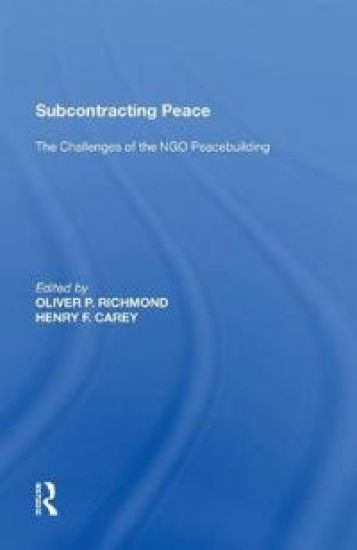
This title examines the roles and new opportunities arising from the increasing participation of non-governmental organizations (NGOs) in peace-making, peacekeeping and peace-building processes, both formal and informal, state-sponsored and unofficial. Drawing on both academic experts and activists, this study brings together contributions from those who have observed how NGOs have sought to reflect civil society concerns, provide humanitarian relief, monitor compliance with international norms and treaty requirements, and disseminate information of concern to advocacy networks. A critical appraisal of the opportunities and constraints of NGOs is provided alongside the examination of the NGOs role in the "new agendas" for peace.
Non-governmental organizations (NGOs) have emerged as crucial actors in peacebuilding processes in post-conflict zones, contributing to the liberal state building project. NGOs, like any other organizations, have certain strengths and weaknesses, and face tradeoffs and contradictions in peacebuilding. Given increasing NGO experience in peacemaking and peacebuilding, this volume examines their relatively positive record, as well as the constraints, limitations, and sometimes contradictory impact of their activities and interventions.
Non-governmental organizations (NGOs) have emerged as crucial actors in peacebuilding processes in post-conflict zones, contributing to the liberal state building project. NGOs, like any other organizations, have certain strengths and weaknesses, and face tradeoffs and contradictions in peacebuilding. Given increasing NGO experience in peacemaking and peacebuilding, this volume examines their relatively positive record, as well as the constraints, limitations, and sometimes contradictory impact of their activities and interventions.
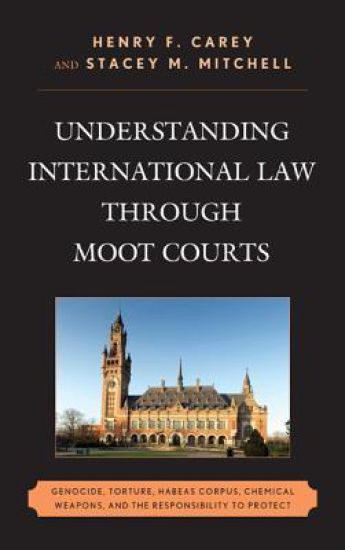
Understanding International Law through Moot Courts: Genocide, Torture, Habeas Corpus, Chemical Weapons, and the Responsibility to Protect consists of five sets of opposing legal briefs and judge’s decisions for five moot court cases held before the International Court of Justice and the International Criminal Court. Each moot court brief included in the book addresses contemporary controversies in international affairs; issues ranging from the application of the newly emerging Responsibility to Protect (R2P) doctrine, to the torture of detainees, to the derogation from international due process protections. These moot court briefs and case judgments help students formulate legal arguments that will be applicable to other similar cases. They also provide students with excellent sources of international and domestic law, as well as greater comprehension of topics ranging from jurisdictional disputes to matters of evidence. Chapter 1 of the book provides an overview of the book as well as instructions regarding the construction of a moot court. Chapter two, by George Andreopoulos discusses the interrelationship between human rights and international criminal law. Chapters 3 through 7 are the cases. The introduction to each chapter (and subsequently each case) lays out the facts of the case in question, discusses (where applicable) issues associated with the material and contextual elements of the crimes(s) in question, provides additional topics for classroom discussion, and also places the issues of contention between the parties within the broader context of foreign affairs and international relations. After each set of briefs and legal judgments is an appendix which includes an example moot court, as well as an appendix that includes a set of alterable facts that students and faculty could adopt to change the general legal argument of the particular case.
Understanding International Law through Moot Courts: Genocide, Torture, Habeas Corpus, Chemical Weapons, and the Responsibility to Protect consists of five sets of opposing legal briefs and judge’s decisions for five moot court cases held before the International Court of Justice and the International Criminal Court. Each moot court brief included in the book addresses contemporary controversies in international affairs; issues ranging from the application of the newly emerging Responsibility to Protect (R2P) doctrine, to the torture of detainees, to the derogation from international due process protections. These moot court briefs and case judgments help students formulate legal arguments that will be applicable to other similar cases. They also provide students with excellent sources of international and domestic law, as well as greater comprehension of topics ranging from jurisdictional disputes to matters of evidence. Chapter 1 of the book provides an overview of the book as well as instructions regarding the construction of a moot court. Chapter two, by George Andreopoulos discusses the interrelationship between human rights and international criminal law. Chapters 3 through 7 are the cases. The introduction to each chapter (and subsequently each case) lays out the facts of the case in question, discusses (where applicable) issues associated with the material and contextual elements of the crimes(s) in question, provides additional topics for classroom discussion, and also places the issues of contention between the parties within the broader context of foreign affairs and international relations. After each set of briefs and legal judgments is an appendix which includes an example moot court, as well as an appendix that includes a set of alterable facts that students and faculty could adopt to change the general legal argument of the particular case.
This title examines the roles and new opportunities arising from the increasing participation of non-governmental organizations (NGOs) in peace-making, peacekeeping and peace-building processes, both formal and informal, state-sponsored and unofficial. Drawing on both academic experts and activists, this study brings together contributions from those who have observed how NGOs have sought to reflect civil society concerns, provide humanitarian relief, monitor compliance with international norms and treaty requirements, and disseminate information of concern to advocacy networks. A critical appraisal of the opportunities and constraints of NGOs is provided alongside the examination of the NGOs role in the "new agendas" for peace.