Kirjojen hintavertailu. Mukana 12 657 676 kirjaa ja 12 kauppaa.

Kirjailija

Henry Hitchings

Kirjat ja teokset yhdessä paikassa: 10 kirjaa, julkaisuja vuosilta 2006-2019, suosituimpien joukossa Samuel Johnson. Vertaile teosten hintoja ja tarkista saatavuus suomalaisista kirjakaupoista.

10 kirjaa

Kirjojen julkaisuhaarukka 2006-2019.

Samuel Johnson

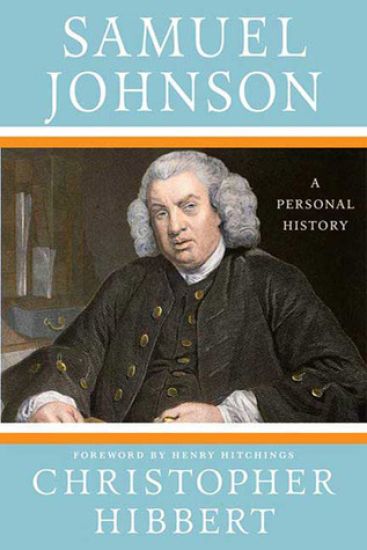
Samuel Johnson

Christopher Hibbert; Henry Hitchings

Palgrave Macmillan
2009
nidottu
Christopher Hibbert draws on every known contemporary source to provide a minutely detailed look of the fascinating writer Samuel Johnson. Using facts and anecdotes, Hibbert delivers intimate glimpses into Johnson's time as a schoolboy, his eccentricities as an undergraduate at Oxford, his struggle as a poor writer in London, and his slow rise to the legendary figure with a court of admirers and a steady stream of visitors. Hibbert combines personal stories with an examination Johnson's writing, offering a compelling and readable account.
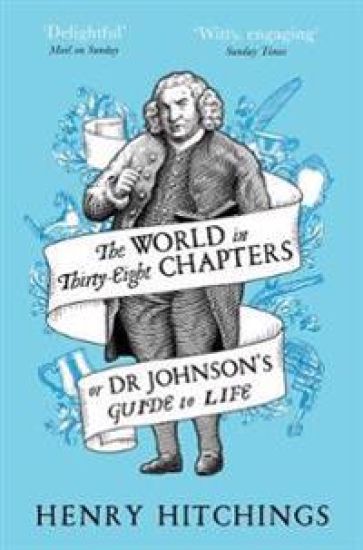
The World in Thirty-Eight Chapters or Dr Johnson’s Guide to Life
'Hitchings is extremely good at unravelling Johnson’s most bullish assertions . . . lucid and empathetic, scholarly but lively. A model Johnsonian, in fact.' The TimesThe World in Thirty-Eight Chapters or Dr Johnson’s Guide to Life is a source of profound good sense about what it means to teach, read, write and travel. More than that, though, Henry Hitchings continually translates Samuel Johnson's experience of poverty, scorn, pain and madness into a rich understanding of how to be.Samuel Johnson was a critic, an essayist, a poet and a biographer. He was also, famously, the compiler of the first good English dictionary, published in 1755. A polymath and a great conversationalist, his intellectual and social curiosity were boundless. Yet he was a deeply melancholy man, haunted by dark thoughts, sickness and a diseased imagination. In his own life, both public and private, he sought to choose a virtuous and prudent path, negotiating everyday hazards and temptations. His writings and aphorisms illuminate what it means to lead a life of integrity, and his experience, abundantly documented by him and by others (such as James Boswell and Hester Thrale), is a lesson in the art of regulating the mind and the body.Johnson’s story touches on many themes that have enduring significance. He was, and remains, a perceptive commentator on the vanity of human wishes, the rewards and dangers of charity, the need to cultivate kindness, the complexities of family life (especially marriage), the effects of boredom and the fleeting nature of pleasure. He writes and speaks incisively and humanely about the ego, ambition, hypocrisy, fallibility and disorders of the mind, as well as the corrosive effects of obsession, the precariousness of fame and the skulduggery of the literary world.
Sorry!: The English and Their Manners

Sorry!: The English and Their Manners

Henry Hitchings

Picador USA
2014
nidottu
A HUMOROUS AND CHARMING INVESTIGATION INTO THE HISTORY OF AND REASONS BEHIND ENGLISH MANNERS Most of us know a bit about what passes for good manners--holding doors open, sending thank-you notes, no elbows on the table--and we certainly know bad manners when we see them. But where has this patchwork of beliefs and behaviors come from? How did manners develop? How do they change? And why do they matter so much? In examining English manners, Henry Hitchings delves into the English character and investigates what it means to be English. Sorry presents an amusing, illuminating, and quirky audit of English manners. From basic table manners to appropriate sexual conduct, via hospitality, chivalry, faux pas, and online etiquette, Hitchings traces the history of England's customs and courtesies. Putting some of the most astute observers of humanity--including Jane Austen and Samuel Pepys--under the microscope, he uses their lives and writings to pry open the often downright peculiar secrets of the English character. Hitchings's blend of history, anthropology, and personal journey helps us understand the bizarre and contested cultural baggage that goes along with our understanding of what it means to have good manners.
Sorry! The English and Their Manners

Sorry! The English and Their Manners

Henry Hitchings

John Murray Publishers Ltd
2013
pokkari
Most of us know a bit about what passes for good manners - holding doors open, sending thank-you notes, no elbows on the table. We certainly know bad manners when we see them. But where has this patchwork of beliefs and behaviours come from? How did manners develop? How do they change? And why do they matter so much to us? In examining our manners, Henry Hitchings delves into the English character and investigates our notions of Englishness.Sorry! presents an amusing, illuminating and quirky audit of English manners. From basic table manners to appropriate sexual conduct, via hospitality, chivalry, faux pas and online etiquette, Hitchings traces the history of our country's customs and courtesies. Putting under the microscope some of our most astute observers of humanity, including Jane Austen and Samuel Pepys, he uses their lives and writings to pry open the often downright peculiar secrets of the English character. Hitchings' blend of history, anthropology and personal journey helps us understand our bizarre and contested cultural baggage - and ourselves.
Language Wars: A History of Proper English

Language Wars: A History of Proper English

Henry Hitchings

St. Martins Press-3pl
2012
nidottu
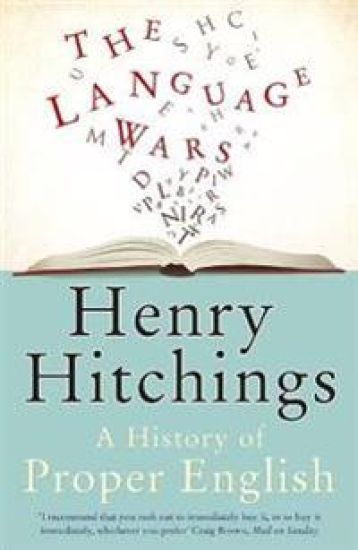
"Exemplary...Hitchings has created a fascinating, wholly readable, and gratifyingly informative book."---Financial Times (London) The English language is a battlefield. Since the age of Shakespeare, arguments over correct usage have been bitter; often they've had more to do with morality, politics, and the values of the age than with language itself. Peopled with intriguing characters such as Jonathan Swift, Lewis Carroll, and Lenny Bruce, The Language Wars is essential reading for anyone interested in the contemporary state of the English language, its contested history, and its future.
The Language Wars

The Language Wars

Henry Hitchings

John Murray Publishers Ltd
2011
pokkari
The English language is a battlefield. Since the age of Shakespeare, arguments over correct usage have been acrimonious, and those involved have always really been contesting values - to do with morality, politics and class. THE LANGUAGE WARS examines the present state of the conflict, its history and its future. Above all, it uses the past as a way of illuminating the present. Moving chronologically, the book explores the most persistent issues to do with English and unpacks the history of 'proper' usage. Where did these ideas spring from? Which of today's bugbears and annoyances are actually venerable? Who has been on the front line in the language wars?THE LANGUAGE WARS examines grammar rules, regional accents, swearing, spelling, dictionaries, political correctness, and the role of electronic media in reshaping language. It also takes a look at such niggling concerns as the split infinitive, elocution and text messaging. Peopled with intriguing characters such as Jonathan Swift, H. W. Fowler and George Orwell as well as the more disparate figures of Lewis Carroll, Buffy the Vampire Slayer and Lenny Bruce, THE LANGUAGE WARS is an essential volume for anyone interested in the state of the English language today or intrigued about its future.
The Secret Life of Words: How English Became English
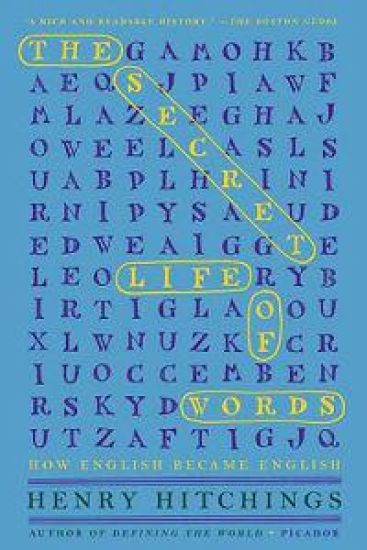
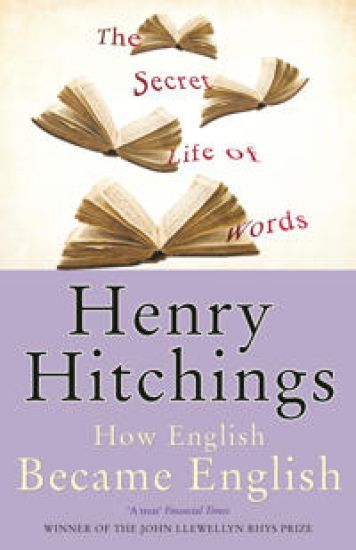
AN ECONOMIST BOOK OF THE YEAR The Secret Life of Words is a wide-ranging account of the transplanted, stolen, bastardized words we've come to know as the English languag. It's a history of English as a whole, and of the thousands of individual words, from more than 350 foreign tongues, that trickled in gradually over hundreds of years of trade, colonization, and diplomacy. Henry Hitchings narrates the story from the Norman Conquest to the present day, chronicling the English language as a living archive of human experience. A SAMPLE OF THE THOUSANDS OF STORIES BEHIND THE WORDS: - Alcatraz Island was named by a Spanish explorer who arrived in 1775 to find the island covered with pelicans, or alcatraces. And "alcatraces"? The word goes back to the Arabic al-qadus, which was a bucket used in irrigation that resembled the bucket beaks of pelicans. - What does a walnut have to do with walls? The word comes from the Old English walhnutu, meaning foreign nut. They were originally grown in Italy and imported, and the northern Europeans named them to distinguish them from the native hazelnut. - A crayfish is not a fish. The name comes from the old French word crevice, through the Old German crebiz and the modern French ecrevisse. The "fish" part is just the result of a mishearing." The Secret Life of Words is a wide-ranging chronicle of how words witness history, reflect social change, and remind us of our past.
The Secret Life of Words

The Secret Life of Words

Henry Hitchings

John Murray Publishers Ltd
2009
pokkari
Communication is essential to our lives, but how often do we stop to think about where the words we use have come from? Have you ever thought about which words in English have been borrowed from Arabic, French or Dutch? Try admiral, landscape and marmalade just for starters. The Secret Life of Words is a wide-ranging account not only of the history of English, but also of how words witness history, reflect social change and remind us of our turbulent past. Henry Hitchings delves into our promiscuous language and reveals how and why it has absorbed words from more than 350 other languages many originating from the most unlikely of places, such as shampoo from Hindi and kiosk from Turkish.From the Norman Conquest to the present day, Hitchings narrates the story of English as an archive of our human experience and uncovers the secrets behind everyday words. This is a celebration of our language; after reading it, you will never again take the words we use for granted.
Defining the World: The Extraordinary Story of Dr Johnson's Dictionary
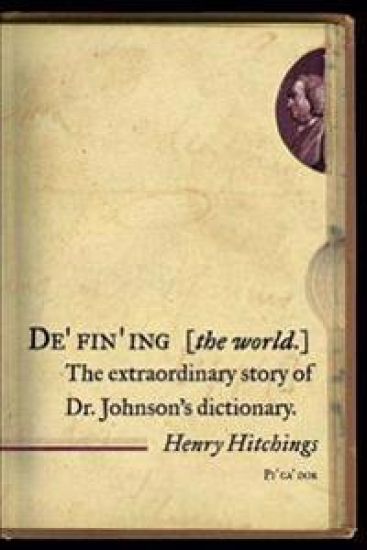
A Los Angeles Times Favorite Book of the Year In 1746, Samuel Johnson undertook the Herculean task of writing the first comprehensive English dictionary. Imagining he could complete the job in three years, Johnson in fact took more than eight, and the dictionary itself turned out to be as much a work of literature as it was an invaluable reference. In alphabetized chapters, from "Adventurous" to "Zootomy," Henry Hitchings tells of Johnson's toil and triumph and offers a closer look at the definitions themselves, which were alive with invention, poetry, erudition, and, at times, hilarious imprecision. The story of Johnson's adventure into the essence of words is an entertainment that "sparkles on every page" (The Philadelphia Inquirer).
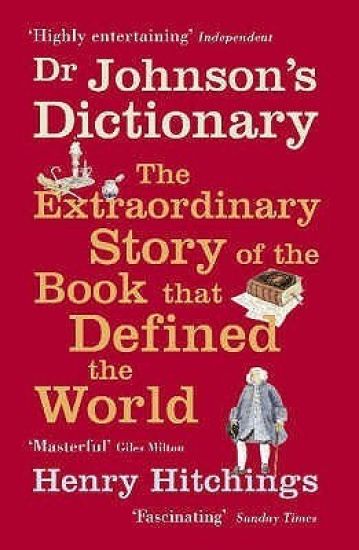
Dr Johnson's Dictionary

Dr Johnson's Dictionary

Henry Hitchings

John Murray Publishers Ltd
2006
pokkari
By 1700, France and Italy already had dictionaries of their own, and it became a matter of national pride that England should rival them. Dr Johnson rose to the challenge, turning over the garret of his London home to the creation of his Dictionary. He imagined it would take three years. Eight years later it was finally published, full of idiosyncrasies, but complete nevertheless. It would become the most important British cultural monument of the eighteenth century. This is the story of Johnson's attempt to define each and every word. In wonderfully engaging chapters, Hitchings describes Johnson's adventure - his ambition and vision, his moments of despair, the mistakes he made along the way and his ultimate triumph.