Kirjojen hintavertailu. Mukana 12 595 353 kirjaa ja 12 kauppaa.

Kirjailija

Henry Louis Gates

Kirjat ja teokset yhdessä paikassa: 38 kirjaa, julkaisuja vuosilta 1990-2025, suosituimpien joukossa W.E.B. Du Bois: Black Reconstruction (LOA #350). Vertaile teosten hintoja ja tarkista saatavuus suomalaisista kirjakaupoista.

38 kirjaa

Kirjojen julkaisuhaarukka 1990-2025.

W.E.B. Du Bois: Black Reconstruction (LOA #350)

W.E.B. Du Bois: Black Reconstruction (LOA #350)

W.E.B. Du Bois; Eric Foner; Henry Louis Gates

The Library of America
2021
sidottu
A collector's edition of the landmark study that changed our understanding of the Civil War's aftermath and the legacy of racism in America Upon publication in 1935, W.E.B. Du Bois's Black Reconstruction offered a revelatory new assessment of Reconstruction--and of American democracy itself. One of the towering African American thinkers and activists of the twentieth century, Du Bois brought all his intellectual powers to bear on America's post-Civil War era of political reorganization, a time when African American progress was met with a white supremacist backlash and ultimately yielded to the consolidation of the unjust social order underpinning Jim Crow. Black Reconstruction is a pioneering, exemplary work of revisionist scholarship that, in the wake of censorship toward Du Bois's characterization of Reconstruction by the Encyclopaedia Britannica, was written to debunk influential historians whose racist ideas and emphases had disfigured the historical record. The chief witness in Reconstruction, the emancipated slave himself, writes Du Bois, has been almost barred from court. His written Reconstruction record has been largely destroyed and nearly always neglected. In setting the record straight Du Bois produced what Eric Foner has called an indispensable book, a magisterial work of detached scholarship that is also imbued with passionate outrage. Here presented in a handsome hardcover edition, with an illuminating editor's introduction and an authoritative text, Black Reconstruction is joined, for the first time in a single volume with important writings that trace his thinking throughout his career about Reconstruction and its centrality in understanding American democracy.
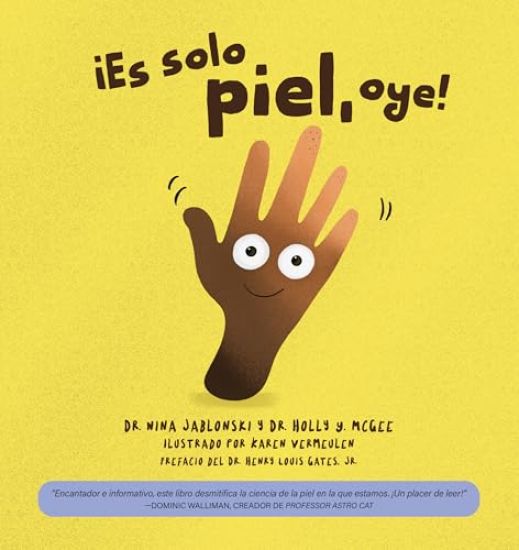
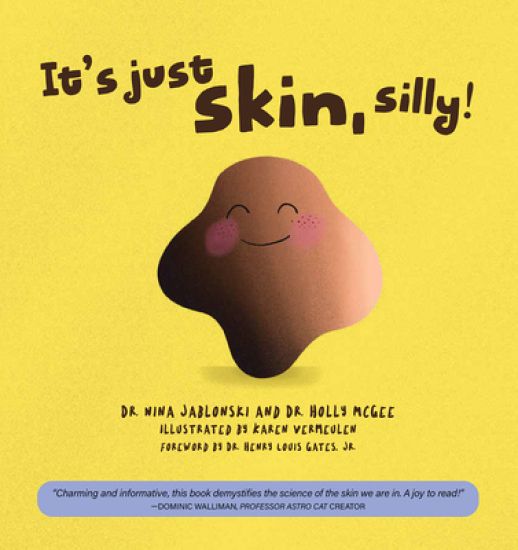
It's Just Skin, Silly!

It's Just Skin, Silly!

Nina Jablonski; Holly Y. McGee; Henry Louis Gates

Catalyst Books
2025
pokkari
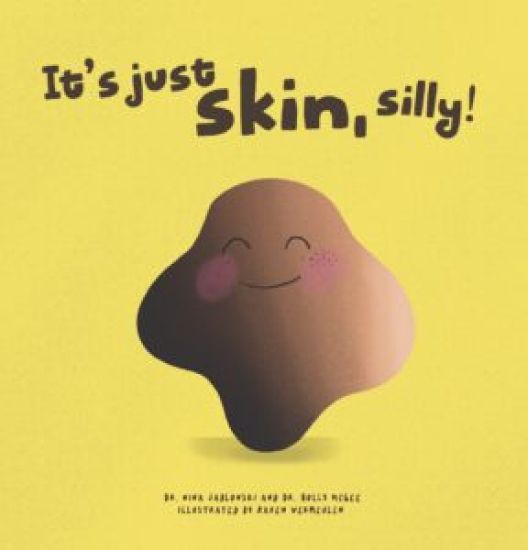
A Skipping Stones Winner, 2024Hi!! I'm Epi Dermis, but my friends just call me Skin!Raise your hands if you sweat, tan, itch, have hair, or have freckles! I've been feeling pretty sensitive lately because everybody has something to say about me. But people don't always tell the truth.My color doesn't make me fast, strong, smart, or scary. I just want to shout, "It's just skin, silly!" "[A]n irresistibly brilliant, pitch-perfect page-turner that should be a must-read in every Pre-K and Elementary School in our country." — Henry Louis Gates JrAn illustrated children's book on the evolution of skin color, based on a collective 40+ years of peer-reviewed research from expert anthropologist Dr. Nina Jablonski and historian Dr. Holly Y. McGee, with a special foreword from celebrated literary critic and historian Dr. Henry Louis Gates, Jr.Meet Epi Dermis, your kid's quirky, clever guide to the origin of skin color! Using simple science and interactive activities, Epi takes readers on an adventure through human history to find out why skin is the hardest working organ in the body business. Whether it’s how migration and climate changed our skin's need for melanin, to why sweat is your body’s secret superpower, Epi’s got all the facts—and uses them to challenge false narratives about race and give kids the information they need to do the same.
The New Negro

The New Negro

Martha H. Patterson; Henry Louis Gates

PRINCETON UNIVERSITY PRESS
2025
pokkari
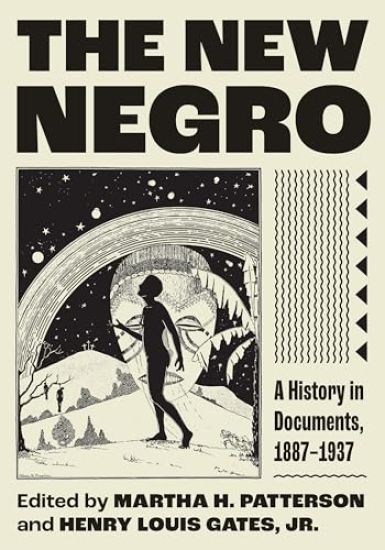
An authoritative anthology tracing the history of one of the most important concepts Black people drew on to challenge the brutal, totalizing system of Jim Crow racismThis book brings together a wealth of readings on the metaphor of the “New Negro,” charting how generations of thinkers debated its meaning and seized on its potency to stake out an astonishingly broad and sometimes contradictory range of ideological positions. It features dozens of newly unearthed pieces by major figures such as W. E. B. Du Bois, Charles S. Johnson, and Drusilla Dunjee Houston as well as writings from Cuba, the US Virgin Islands, Dominica, France, Sierra Leone, South Africa, colonial Zimbabwe, and the United States. Demonstrating how this evocative and supremely protean concept predates its popularization in Alain Locke’s 1925 anthology of the same name, The New Negro takes readers from its beginnings as a response to Henry Grady’s famous “New South” address in 1886 through the Harlem Renaissance and the New Deal.Opening a fascinating window into a largely unexplored chapter in African American, Afro-Latin American, and African intellectual history, this groundbreaking anthology includes writings by Gwendolyn Bennett, Marita Bonner, John Edward Bruce (“Bruce Grit”), Nannie Helen Burroughs, Charles W. Chesnutt, James Bertram Clarke (“José Clarana,” “Jaime Gil”), Anna Julia Cooper, Alexander Crummell, Countee Cullen, Alice Dunbar-Nelson, Marcus Garvey, Hubert Harrison, Langston Hughes, Zora Neale Hurston, D. Hamilton Jackson, Fenton Johnson, Claude McKay, Oscar Micheaux, Jeanne “Jane” Nardal, Jean Toomer, Gustavo Urrutia, Booker T. Washington, Dorothy West, Ruth Whitehead Whaley, Fannie Barrier Williams, Carter G. Woodson, and a host of others.
The New Negro

The New Negro

Martha H. Patterson; Henry Louis Gates

PRINCETON UNIVERSITY PRESS
2025
sidottu
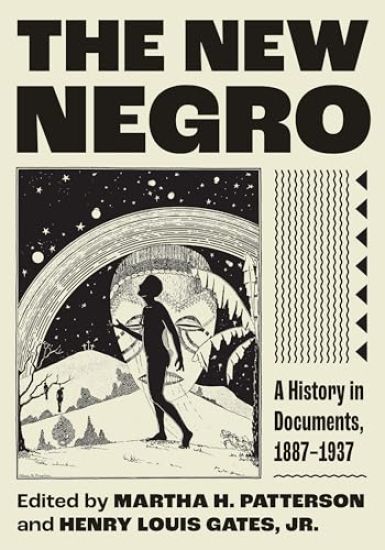
An authoritative anthology tracing the history of one of the most important concepts Black people drew on to challenge the brutal, totalizing system of Jim Crow racismThis book brings together a wealth of readings on the metaphor of the “New Negro,” charting how generations of thinkers debated its meaning and seized on its potency to stake out an astonishingly broad and sometimes contradictory range of ideological positions. It features dozens of newly unearthed pieces by major figures such as W. E. B. Du Bois, Charles S. Johnson, and Drusilla Dunjee Houston as well as writings from Cuba, the US Virgin Islands, Dominica, France, Sierra Leone, South Africa, colonial Zimbabwe, and the United States. Demonstrating how this evocative and supremely protean concept predates its popularization in Alain Locke’s 1925 anthology of the same name, The New Negro takes readers from its beginnings as a response to Henry Grady’s famous “New South” address in 1886 through the Harlem Renaissance and the New Deal.Opening a fascinating window into a largely unexplored chapter in African American, Afro-Latin American, and African intellectual history, this groundbreaking anthology includes writings by Gwendolyn Bennett, Marita Bonner, John Edward Bruce (“Bruce Grit”), Nannie Helen Burroughs, Charles W. Chesnutt, James Bertram Clarke (“José Clarana,” “Jaime Gil”), Anna Julia Cooper, Alexander Crummell, Countee Cullen, Alice Dunbar-Nelson, Marcus Garvey, Hubert Harrison, Langston Hughes, Zora Neale Hurston, D. Hamilton Jackson, Fenton Johnson, Claude McKay, Oscar Micheaux, Jeanne “Jane” Nardal, Jean Toomer, Gustavo Urrutia, Booker T. Washington, Dorothy West, Ruth Whitehead Whaley, Fannie Barrier Williams, Carter G. Woodson, and a host of others.
Black Chronicles

Black Chronicles

Henry Louis Gates; Mark Sealy

THAMES HUDSON LTD
2025
sidottu
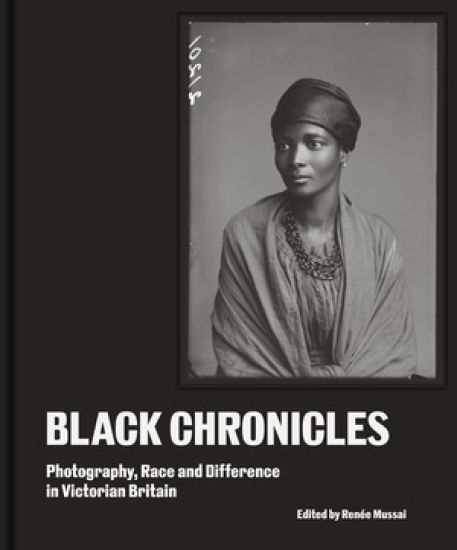
A collection of extraordinary 19th-century portraits that radically shifts our understanding of the presence and identities of the Black subject in Victorian Britain. These striking studio portraits, curated and brought together following ten years of research championed by Autograph, constitute the most comprehensive collection of 19th-century photography depicting the Black subject in the Victorian era, including some of the earliest known images of Black people photographed in Britain. The historically marginalized lives of both ordinary and prominent Black figures of African, Afro-Caribbean, South Asian and mixed heritage are seen through a prism of curatorial advocacy and experimental scholarly assemblage. Black Chronicles features high quality reproductions of plate negatives, cartes de visite and cabinet cards, many of which were buried deep in various private and public archives including the Hulton Archive’s remarkable London Stereoscopic Company collection, unseen for decades. These photographs are linked with imperial and colonial narratives through newly commissioned essays and rare lecture transcripts, in-conversation and text interventions by Caroline Bressey, Henry Louis Gates Jr, Paul Gilroy, Stuart Hall, M. Neelika Jayawardane, Lola Jaye, Renée Mussai and Val Wilmer, and an afterword by Mark Sealy. Built upon groundbreaking, in-depth new research, Black Chronicles opens up photographic archives to expand and enrich photography’s complex cultural histories and subjectivities, offering an essential insight into the visual politics of race, representation and difference in the Victorian era by addressing this crucial missing chapter. Introduction and texts by Renée Musai, Foreword by Henry Louis Gates Jr., Text by Paul Gilroy, Text by Stuart Hall, Text by Caroline Bressey, Text by Lola Jaye, Text by M. Neelika Jayawardane, Afterword by Mark Sealy, Text by Val Wilmer Published by Thames & Hudson in partnership with Autograph.
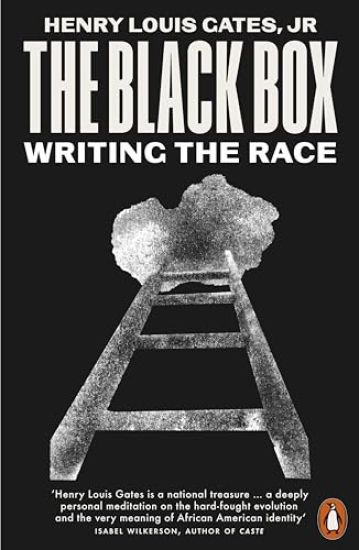
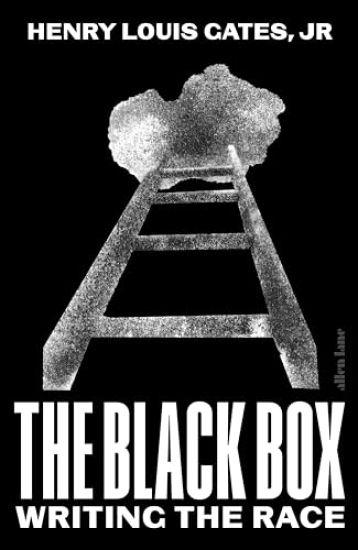
The Black Box

The Black Box

Henry Louis Gates

PENGUIN BOOKS LTD
2025
pokkari
A foundational reckoning with how Black Americans have used the written word to define and redefine themselves over the course of the country's history.Distilled over many years from Henry Louis Gates Jr's legendary Harvard course in African American Studies, The Black Box: Writing the Race is the story of Black self-definition in America through the prism of the writers who have led the way. From Phillis Wheatley and Frederick Douglass, W. E. B. Du Bois and Booker T. Washington, to Zora Neale Hurston and Richard Wright, James Baldwin and Toni Morrison, these writers used words to create a liveable world – a “home” – for Black people destined to live in a bitterly racist society.This is a community that defined and transformed itself in defiance of oppression and lies; a collective act of resistance and transcendence that is at the heart of its self-definition. Out of that contested ground has flowered a resilient, creative, powerful, diverse culture formed by people who have often disagreed markedly about what it means to be 'Black', and about how best to shape a usable past out of the materials at hand, to call into being a more just and equitable future.This is the epic story of how, through essays and speeches, novels, plays and poems, a long line of creative thinkers has unveiled the contours of – and resisted confinement in – the black box that this “nation within a nation” has been assigned, from its founding to today. It is a book that records the compelling saga of the creation of a people.
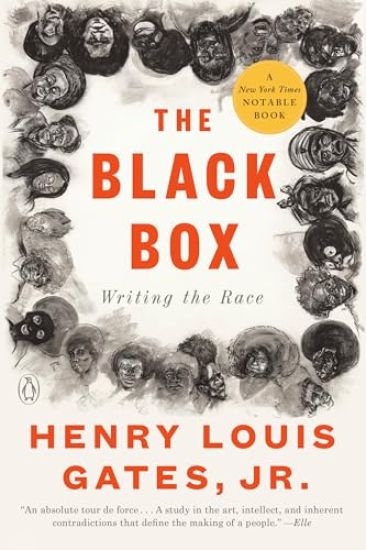
The Black Box: Writing the Race

The Black Box: Writing the Race

Henry Louis Gates

PENGUIN BOOKS
2025
nidottu
A New York Times Notable Book "Henry Louis Gates is a national treasure. Here, he returns with an intellectual and at times deeply personal meditation on the hard-fought evolution and the very meaning of African American identity, calling upon our country to transcend its manufactured divisions." -- Isabel Wilkerson, author of The Warmth of Other Suns and Caste "This is a literary history of Black America, but it is also an argument that African American history is inextricable from the history of African American literature." --The New York Times A magnificent, foundational reckoning with how Black Americans have used the written word to define and redefine themselves, in resistance to the lies of racism and often in heated disagreement with one another, over the course of the country's history. Distilled over many years from Henry Louis Gates, Jr.'s, legendary Harvard introductory course in African American studies, The Black Box: Writing the Race, is the story of Black self-definition in America through the prism of the writers who have led the way. From Phillis Wheatley and Frederick Douglass, W. E. B. Du Bois and Booker T. Washington, to Zora Neale Hurston and Rich­ard Wright, James Baldwin and Toni Morrison--these writers used words to create a livable world, a home, for Black people destined to live out their lives in a bitterly racist society. It is a book grounded in the beautiful irony that a group formed legally and conceptually by its oppressors to justify brutal subhuman bondage transformed itself through the word into a community joined in overcoming one of history's most pernicious lies. Out of that contested ground has flowered a resilient, creative, powerful, diverse culture of people who have often disagreed markedly about what it means to be Black, and about how best to use the past to create a more just and equitable future. This is the epic story of how, through essays and speeches, novels, plays, and poems, a long line of creative thinkers has unveiled the contours of--and resisted confinement in--the black box inside which this nation within a nation has been assigned, willy-nilly, from the nation's founding through to today. This is a book that records the compelling saga of the creation of a people.
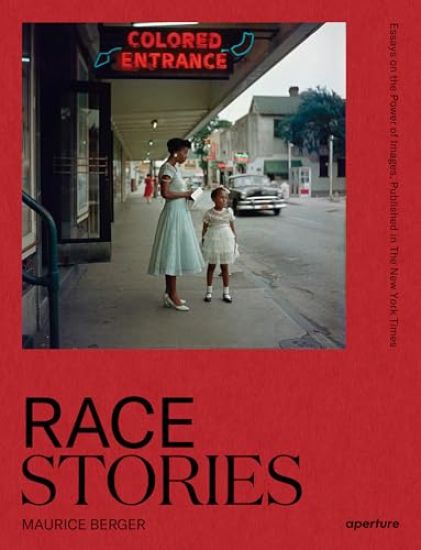
Race Stories: Essays on the Power of Images

Race Stories: Essays on the Power of Images

Maurice Berger; Henry Louis Gates; Dawoud Bey; Nona Faustine; Peter Kunhardt

APERTURE
2024
sidottu
The first title in Aperture’s Vision & Justice Book Series—featuring a collection of award-winning short essays by Maurice Berger that explore the intersections of photography, race, and visual culture. Created and coedited by Drs. Sarah Lewis, Leigh Raiford, and Deborah Willis, the series reexamines and redresses historical narratives of photography, race, and justice. Edited by Marvin Heiferman, Race Stories: Essays on the Power of Images examines the transformational role photography plays in shaping ideas and attitudes about race and how photographic images have been instrumental in both perpetuating and combating racial stereotypes. Written between 2012 and 2019 and first presented as a monthly feature on the New York Times Lens blog, Berger’s incisive essays help readers see a bigger picture about race through storytelling. By directing attention to the most revealing aspects of images, Berger makes complex issues comprehensible, vivid, and engaging. The essays illuminate a range of images, issues, and events: the modern civil rights movement; African American–, Latinx–, Asian American–, and Native American photography; and pivotal moments in the nineteenth and twentieth centuries when race, photography, and visual culture intersected. They also examine the full spectrum of photographic imaging: from amateur to professional pictures, from snapshots to fine art, from mugshots to celebrated icons of photojournalism. Race Stories collects together Berger’s reader-friendly essays in their breadth and brilliance to encourage a broad range of readers to look at and think about photographs in order to better understand themselves and the diverse world around them. Copublished by Aperture and the New York Times.
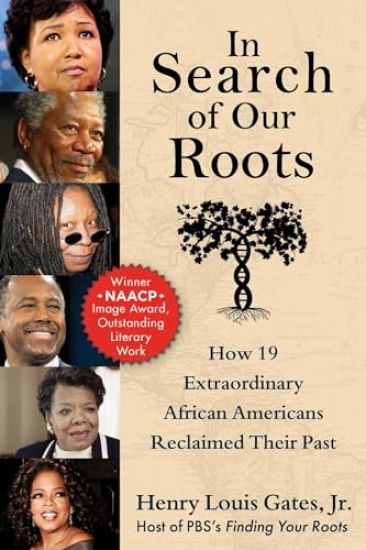
In Search of Our Roots

In Search of Our Roots

Henry Louis Gates

Skyhorse Publishing
2024
pokkari
Host of PBS's Finding Your Roots and famed Harvard professor Henry Louis Gates, Jr. discusses African-American immigration and ancestry in the context of the American political climate. Unlike most white Americans who can search their ancestral records, identifying who among their forebears was the first to step foot on this country’s shores, most African Americans encounter a series of daunting obstacles when trying to trace their family’s past. Slavery brutally negated identity, denying black men and women even their names. But from that legacy of slavery have sprung generations who’ve struggled, thrived, and lived extraordinary lives. For too long, African Americans’ family trees have been barren of branches, but advanced genetic testing techniques, combined with archival research, have begun to fill in the gaps. Here, scholar Henry Louis Gates, Jr., backed by an elite team of geneticists and researchers, takes nineteen extraordinary African Americans on a once unimaginable journey, tracing family sagas through U.S. history and back to Africa. Dr. Gates brings to life the recovered pasts of: Oprah WinfreyWhoopi GoldbergChris RockTina TurnerMaya AngelouPeter GomesMae JemisonQuincy JonesMorgan FreemanSara Lawrence-LightfootTom JoynerBenjamin CarsonT.D. JakesLinda Johnson RiceKathleen HendersonJackie Joyner-KerseeDon CheadleBliss BroyardChris Tucker More than a work of history, In Search of Our Roots is an important book that, for the first time, brings to light the lives of ordinary men and women who, by courageous example, blazed a path for their famous descendants. In accompanying the nineteen contemporary achievers on their journey into the past and meeting their remarkable forebears, we come to know ourselves.
The Black Box

The Black Box

Henry Louis Gates

PENGUIN BOOKS LTD
2024
sidottu
A foundational reckoning with how Black Americans have used the written word to define and redefine themselves over the course of the country's history.Distilled over many years from Henry Louis Gates Jr's legendary Harvard course in African American Studies, The Black Box: Writing the Race is the story of Black self-definition in America through the prism of the writers who have led the way. From Phillis Wheatley and Frederick Douglass, W. E. B. Du Bois and Booker T. Washington, to Zora Neale Hurston and Richard Wright, James Baldwin and Toni Morrison, these writers used words to create a liveable world – a “home” – for Black people destined to live in a bitterly racist society.This is a community that defined and transformed itself in defiance of oppression and lies; a collective act of resistance and transcendence that is at the heart of its self-definition. Out of that contested ground has flowered a resilient, creative, powerful, diverse culture formed by people who have often disagreed markedly about what it means to be 'Black', and about how best to shape a usable past out of the materials at hand, to call into being a more just and equitable future.This is the epic story of how, through essays and speeches, novels, plays and poems, a long line of creative thinkers has unveiled the contours of – and resisted confinement in – the black box that this “nation within a nation” has been assigned, from its founding to today. It is a book that records the compelling saga of the creation of a people.
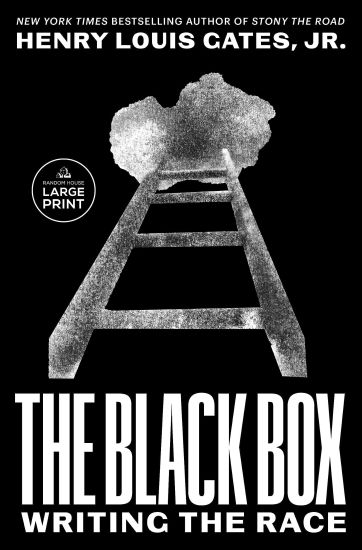
The Black Box: Writing the Race

The Black Box: Writing the Race

Henry Louis Gates

Random House Large Print Publishing
2024
nidottu
A New York Times Notable Book "Henry Louis Gates is a national treasure. Here, he returns with an intellectual and at times deeply personal meditation on the hard-fought evolution and the very meaning of African American identity, calling upon our country to transcend its manufactured divisions." -- Isabel Wilkerson, author of The Warmth of Other Suns and Caste "This is a literary history of Black America, but it is also an argument that African American history is inextricable from the history of African American literature." --The New York Times A magnificent, foundational reckoning with how Black Americans have used the written word to define and redefine themselves, in resistance to the lies of racism and often in heated disagreement with one another, over the course of the country's history. Distilled over many years from Henry Louis Gates, Jr.'s, legendary Harvard introductory course in African American studies, The Black Box: Writing the Race, is the story of Black self-definition in America through the prism of the writers who have led the way. From Phillis Wheatley and Frederick Douglass, W. E. B. Du Bois and Booker T. Washington, to Zora Neale Hurston and Rich­ard Wright, James Baldwin and Toni Morrison--these writers used words to create a livable world, a home, for Black people destined to live out their lives in a bitterly racist society. It is a book grounded in the beautiful irony that a group formed legally and conceptually by its oppressors to justify brutal subhuman bondage transformed itself through the word into a community joined in overcoming one of history's most pernicious lies. Out of that contested ground has flowered a resilient, creative, powerful, diverse culture of people who have often disagreed markedly about what it means to be Black, and about how best to use the past to create a more just and equitable future. This is the epic story of how, through essays and speeches, novels, plays, and poems, a long line of creative thinkers has unveiled the contours of--and resisted confinement in--the black box inside which this nation within a nation has been assigned, willy-nilly, from the nation's founding through to today. This is a book that records the compelling saga of the creation of a people.
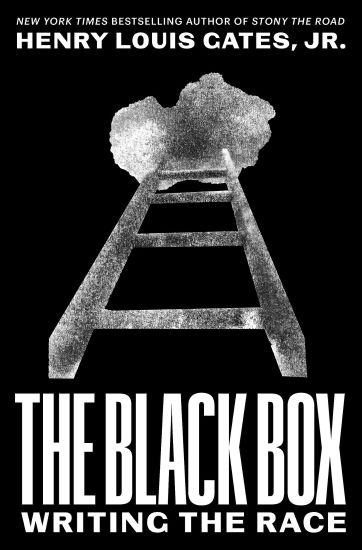
The Black Box: Writing the Race

The Black Box: Writing the Race

Henry Louis Gates

PENGUIN PRESS
2024
sidottu
A New York Times Notable Book "Henry Louis Gates is a national treasure. Here, he returns with an intellectual and at times deeply personal meditation on the hard-fought evolution and the very meaning of African American identity, calling upon our country to transcend its manufactured divisions." -- Isabel Wilkerson, author of The Warmth of Other Suns and Caste "This is a literary history of Black America, but it is also an argument that African American history is inextricable from the history of African American literature." --The New York Times A magnificent, foundational reckoning with how Black Americans have used the written word to define and redefine themselves, in resistance to the lies of racism and often in heated disagreement with one another, over the course of the country's history. Distilled over many years from Henry Louis Gates, Jr.'s, legendary Harvard introductory course in African American studies, The Black Box: Writing the Race, is the story of Black self-definition in America through the prism of the writers who have led the way. From Phillis Wheatley and Frederick Douglass, W. E. B. Du Bois and Booker T. Washington, to Zora Neale Hurston and Rich­ard Wright, James Baldwin and Toni Morrison--these writers used words to create a livable world, a home, for Black people destined to live out their lives in a bitterly racist society. It is a book grounded in the beautiful irony that a group formed legally and conceptually by its oppressors to justify brutal subhuman bondage transformed itself through the word into a community joined in overcoming one of history's most pernicious lies. Out of that contested ground has flowered a resilient, creative, powerful, diverse culture of people who have often disagreed markedly about what it means to be Black, and about how best to use the past to create a more just and equitable future. This is the epic story of how, through essays and speeches, novels, plays, and poems, a long line of creative thinkers has unveiled the contours of--and resisted confinement in--the black box inside which this nation within a nation has been assigned, willy-nilly, from the nation's founding through to today. This is a book that records the compelling saga of the creation of a people.
It's Just Skin, Silly!

It's Just Skin, Silly!

Nina Jablonski; Holly Y. McGee; Henry Louis Gates

Catalyst Books
2023
sidottu
A 2024 Skipping Stones Honor Award Winner Hi!! I'm Epi Dermis, but my friends just call me Skin! Raise your hands if you sweat, tan, itch, have hair, or have freckles! I've been feeling pretty sensitive lately because everybody has something to say about me. But people don't always tell the truth. My color doesn't make me fast, strong, smart, or scary. I just want to shout, "It's just skin, silly!" "[A]n irresistibly brilliant, pitch-perfect page-turner that should be a must-read in every Pre-K and Elementary School in our country." — Henry Louis Gates Jr An illustrated children's book on the evolution of skin color, based on a collective 40+ years of peer-reviewed research from expert anthropologist Dr. Nina Jablonski and historian Dr. Holly Y. McGee, with a special foreword from celebrated literary critic and historian Dr. Henry Louis Gates, Jr. Meet Epi Dermis, your kid's quirky, clever guide to the origin of skin color! Using simple science and interactive activities, Epi takes readers on an adventure through human history to find out why skin is the hardest working organ in the body business. Whether it’s how migration and climate changed our skin's need for melanin, to why sweat is your body’s secret superpower, Epi’s got all the facts—and uses them to challenge false narratives about race and give kids the information they need to do the same.
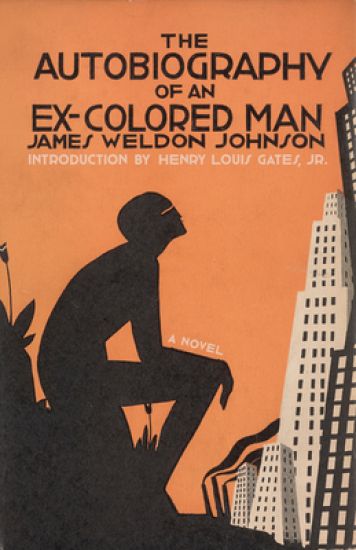
The Autobiography of an Ex-Colored Man

The Autobiography of an Ex-Colored Man

James Weldon Johnson; Henry Louis Gates

RANDOM HOUSE USA INC
2023
nidottu
The groundbreaking classic novel of the Black experience in America, with an introduction by Henry Louis Gates, Jr. First published anonymously in 1912, this novel gave many white readers their first glimpse of the double standard--and double consciousness--that ruled the lives of Black people in America. Republished in 1927, at the height of the Harlem Renaissance, with an introduction by Carl Van Vechten, The Autobiography of an Ex-Colored Man emerged as a groundbreaking document of African-American culture and an eloquent model for later novelists ranging from Zora Neale Hurston to Richard Wright and Ralph Ellison. Narrated by a man whose light skin enables him to "pass" for white, the novel describes a journey through the strata of Black society at the turn of the century--from a cigar factory in Jacksonville to an elite gambling club in New York, from genteel aristocrats to the musicians who hammered out the rhythms of ragtime. The Autobiography of an Ex-Colored Man is a complex and moving examination of the question of race and an unsparing look at what it meant to forge an identity as a man in a culture that recognized nothing but color. VINTAGE CLASSICS.
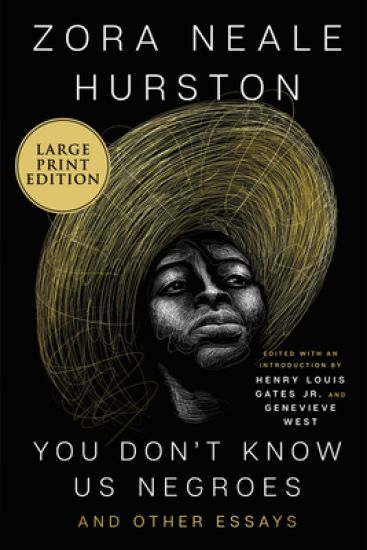
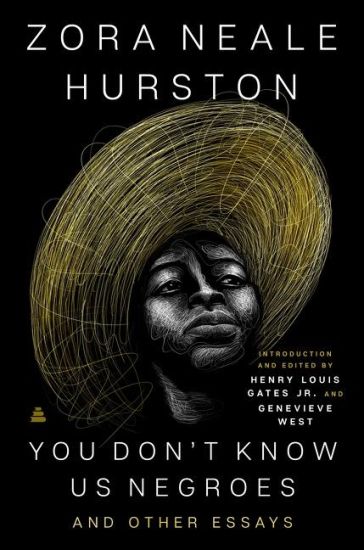
You Don't Know Us Negroes and Other Essays

You Don't Know Us Negroes and Other Essays

Zora Neale Hurston; Henry Louis Gates; Genevieve West

Harperone Large Print
2022
nidottu
A MOST ANTICIPATED BOOK FROM: Oprah Daily, Business Insider, Marie Claire, The Seattle Times, Lit Hub, Bustle, and New York Magazine's Vulture Introduction by New York Times bestselling author Henry Louis Gates Jr. Spanning more than 35 years of work, the first comprehensive collection of essays, criticism, and articles by the legendary author of the Harlem Renaissance, Zora Neale Hurston, showcasing the evolution of her distinctive style as an archivist and author."One of the greatest writers of our time."--Toni MorrisonYou Don't Know Us Negroes is the quintessential gathering of provocative essays from one of the world's most celebrated writers, Zora Neale Hurston. Spanning more than three decades and penned during the backdrop of the birth of the Harlem Renaissance, Montgomery bus boycott, desegregation of the military, and school integration, Hurston's writing articulates the beauty and authenticity of Black life as only she could. Collectively, these essays showcase the roles enslavement and Jim Crow have played in intensifying Black people's inner lives and culture rather than destroying it. She argues that in the process of surviving, Black people re-interpreted every aspect of American culture--"modif ying] the language, mode of food preparation, practice of medicine, and most certainly religion." White supremacy prevents the world from seeing or completely recognizing Black people in their full humanity and Hurston made it her job to lift the veil and reveal the heart and soul of the race. These pages reflect Hurston as the controversial figure she was--someone who stated that feminism is a mirage and that the integration of schools did not necessarily improve the education of Black students. Also covered is the sensational trial of Ruby McCollum, a wealthy Black woman convicted in 1952 for killing her lover, a white doctor.Demonstrating the breadth of this revered and influential writer's work, You Don't Know Us Negroes and Other Essays is an invaluable chronicle of a writer's development and a window into her world and mind.
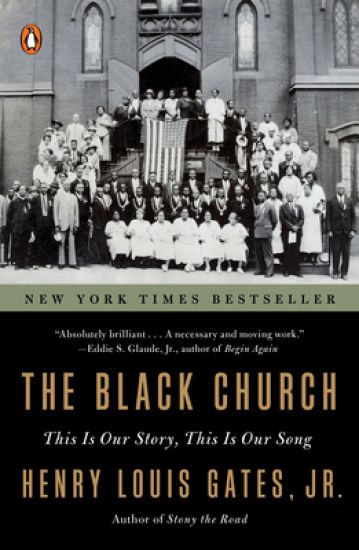
The Black Church

The Black Church

Henry Louis Gates

Penguin Adult
2022
nidottu
The instant New York Times bestseller and companion book to the PBS series.“Absolutely brilliant . . . A necessary and moving work.” —Eddie S. Glaude, Jr., author of Begin Again“Engaging. . . . In Gates’s telling, the Black church shines bright even as the nation itself moves uncertainly through the gloaming, seeking justice on earth—as it is in heaven.” —Jon Meacham, New York Times Book ReviewFrom the New York Times bestselling author of Stony the Road and one of our most important voices on the African American experience comes a powerful new history of the Black church as a foundation of Black life and a driving force in the larger freedom struggle in America.For the young Henry Louis Gates, Jr., growing up in a small, residentially segregated West Virginia town, the church was a center of gravity—an intimate place where voices rose up in song and neighbors gathered to celebrate life's blessings and offer comfort amid its trials and tribulations. In this tender and expansive reckoning with the meaning of the Black Church in America, Gates takes us on a journey spanning more than five centuries, from the intersection of Christianity and the transatlantic slave trade to today’s political landscape. At road’s end, and after Gates’s distinctive meditation on the churches of his childhood, we emerge with a new understanding of the importance of African American religion to the larger national narrative—as a center of resistance to slavery and white supremacy, as a magnet for political mobilization, as an incubator of musical and oratorical talent that would transform the culture, and as a crucible for working through the Black community’s most critical personal and social issues.In a country that has historically afforded its citizens from the African diaspora tragically few safe spaces, the Black Church has always been more than a sanctuary. This fact was never lost on white supremacists: from the earliest days of slavery, when enslaved people were allowed to worship at all, their meetinghouses were subject to surveillance and destruction. Long after slavery’s formal eradication, church burnings and bombings by anti-Black racists continued, a hallmark of the violent effort to suppress the African American struggle for equality. The past often isn’t even past—Dylann Roof committed his slaughter in the Mother Emanuel AME Church 193 years after it was first burned down by white citizens of Charleston, South Carolina, following a thwarted slave rebellion.But as Gates brilliantly shows, the Black church has never been only one thing. Its story lies at the heart of the Black political struggle, and it has produced many of the Black community’s most notable leaders. At the same time, some churches and denominations have eschewed political engagement and exemplified practices of exclusion and intolerance that have caused polarization and pain. Those tensions remain today, as a rising generation demands freedom and dignity for all within and beyond their communities, regardless of race, sex, or gender. Still, as a source of faith and refuge, spiritual sustenance and struggle against society’s darkest forces, the Black Church has been central, as this enthralling history makes vividly clear.
You Don't Know Us Negroes and Other Essays

You Don't Know Us Negroes and Other Essays

Zora Neale Hurston; Henry Louis Gates; Genevieve West

Amistad Press
2022
sidottu
A MOST ANTICIPATED BOOK FROM: Oprah Daily, Business Insider, Marie Claire, The Seattle Times, Lit Hub, Bustle, and New York Magazine's Vulture Introduction by New York Times bestselling author Henry Louis Gates Jr. Spanning more than 35 years of work, the first comprehensive collection of essays, criticism, and articles by the legendary author of the Harlem Renaissance, Zora Neale Hurston, showcasing the evolution of her distinctive style as an archivist and author."One of the greatest writers of our time."--Toni MorrisonYou Don't Know Us Negroes is the quintessential gathering of provocative essays from one of the world's most celebrated writers, Zora Neale Hurston. Spanning more than three decades and penned during the backdrop of the birth of the Harlem Renaissance, Montgomery bus boycott, desegregation of the military, and school integration, Hurston's writing articulates the beauty and authenticity of Black life as only she could. Collectively, these essays showcase the roles enslavement and Jim Crow have played in intensifying Black people's inner lives and culture rather than destroying it. She argues that in the process of surviving, Black people re-interpreted every aspect of American culture--"modif ying] the language, mode of food preparation, practice of medicine, and most certainly religion." White supremacy prevents the world from seeing or completely recognizing Black people in their full humanity and Hurston made it her job to lift the veil and reveal the heart and soul of the race. These pages reflect Hurston as the controversial figure she was--someone who stated that feminism is a mirage and that the integration of schools did not necessarily improve the education of Black students. Also covered is the sensational trial of Ruby McCollum, a wealthy Black woman convicted in 1952 for killing her lover, a white doctor.Demonstrating the breadth of this revered and influential writer's work, You Don't Know Us Negroes and Other Essays is an invaluable chronicle of a writer's development and a window into her world and mind.