Kirjojen hintavertailu. Mukana 12 390 323 kirjaa ja 12 kauppaa.

Kirjailija

Henry M. Levin

Kirjat ja teokset yhdessä paikassa: 7 kirjaa, julkaisuja vuosilta 1993-2017, suosituimpien joukossa The Accelerated Schools Resource Guide. Vertaile teosten hintoja ja tarkista saatavuus suomalaisista kirjakaupoista.

Mukana myös kirjoitusasut: Henry M Levin

7 kirjaa

Kirjojen julkaisuhaarukka 1993-2017.

Economic Evaluation in Education

Economic Evaluation in Education

Henry M. Levin; Patrick J. McEwan; Clive R. Belfield; A. Brooks Bowden; Robert D. Shand

SAGE Publications Inc
2017
nidottu
The past decade has seen increased attention to cost-effectiveness and benefit-cost analysis in education as administrators are being asked to accomplish more with the same or even fewer resources, philanthropists are keen to calculate their "return on investment" in social programs, and the general public is increasingly scrutinizing how resources are allocated to schools and colleges. This text (titled Cost-Effectiveness Analysis in its previous editions) is the only full-length book to provide readers with the step-by-step methods they need to plan and implement a benefit-cost analysis in education. The authors examine a range of issues, including how to identify, measure, and distribute costs; how to measure effectiveness, utility, and benefits; and how to incorporate cost evaluations into the decision-making process. The updates to the Third Edition reflect the considerable methodological development in the evaluation literature, and the greater empiricism practiced by education researchers, to help readers learn to apply more advanced methods to their own analyses. SAGE congratulates author Henry M. Levin, winner of the 2017 AERA Distinguished Contributions to Research in Education Award.
The Accelerated Schools Resource Guide

The Accelerated Schools Resource Guide

Wendy S. Hopfenberg; Henry M. Levin

Jossey-Bass Inc.,U.S.
1993
nidottu
"Hopfenberg and Levin provide a pwerful resource for creatingschools grounded in community reflecton, inquiry, and the beliefthat all children can be smart. . .Here at last is a ?how-to' bookon school reform that helps educators confront the values, beleifs,and politics, as well as the practices, that make changing schoolsso difficult." -- Jeannie Oaks, professor of education, UCLA This resource is the first comprehensive guide to the innovativepractices of accelerated schools. It summarizes the lessons learnedby the project staff and the family of over 300 accelerated schoolsworking together during a seven-year period. It is designed to beused by a wide variety of participants for training, discussion,and guidance in the move to transform schools nationwide.
Privatizing Educational Choice

Privatizing Educational Choice

Clive R Belfield; Henry M. Levin

Paradigm
2005
sidottu
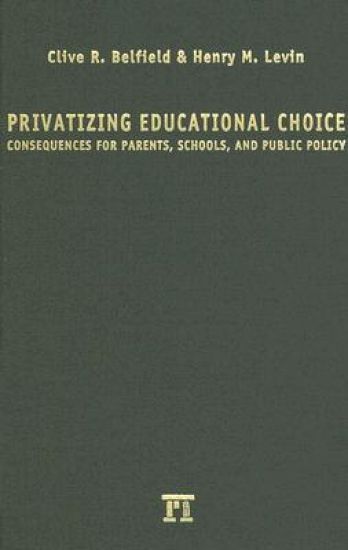
Controversies over the merits of public and private education have never been more prominent than today. This book evaluates public and private schooling, especially in regard to choices families must make for their children.While choice among publics schools is widely advocated today by families and states, public support for private education - including vouchers, tax credits, charter schools, and private contracting - is politically controversial. The authors accessibly describe what research shows as to the effects - for communities and children - of these approaches. They move beyond school choice to show how other factors - most notably the family - have a strong effect on a child's educational success. The book helps educators and parents better understand the rapidly changing educational environment and the important choices they make in educating the nation's children.
Privatizing Educational Choice

Privatizing Educational Choice

Clive R Belfield; Henry M. Levin

Paradigm
2005
nidottu
Controversies over the merits of public and private education have never been more prominent than today. This book evaluates public and private schooling, especially in regard to choices families must make for their children.While choice among publics schools is widely advocated today by families and states, public support for private education - including vouchers, tax credits, charter schools, and private contracting - is politically controversial. The authors accessibly describe what research shows as to the effects - for communities and children - of these approaches. They move beyond school choice to show how other factors - most notably the family - have a strong effect on a child's educational success. The book helps educators and parents better understand the rapidly changing educational environment and the important choices they make in educating the nation's children.
Educating for Humanity

Educating for Humanity

Mike Seymour; Henry M. Levin

Paradigm
2004
nidottu
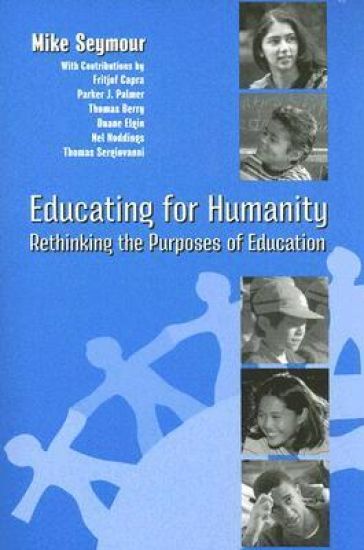
At a time of profound crises around the world, when social justice, peace, democracy and the environment seem under increasing threat, the promise of "a world for all" seems a viable aspiration for education. Ample evidence from many schools today, and dating back throughout the last century, prove that the purpose of educating young people to develop character, compassion, purpose and commitment is integral with the mastery of intellectual skills and life competencies. Schooling, without a doubt, can play a monumental part in the development of the personal values people take with them to the world. Unfortunately, as the saying goes, "if you don't know where you're going, you'll probably get someplace else." Educational policy directions over the last twenty years have veered far away from the important work of educating for humanity. This book makes a powerful appeal to revisit educational purpose in light of what is most fundamental and important to human beings everywhere. The authors address timely issues such as high stakes testing, school choice, and privatization of education in looking beyond these measures to new approaches to educational excellence.
Educating for Humanity

Educating for Humanity

Mike Seymour; Henry M. Levin

Paradigm
2004
sidottu
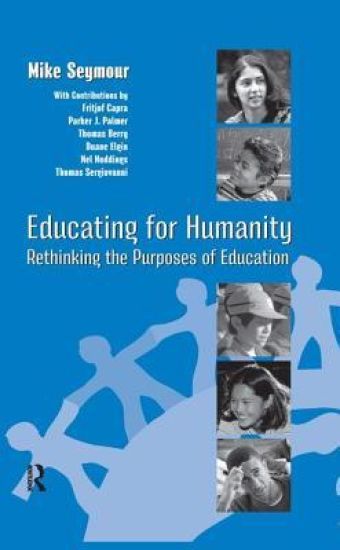
At a time of profound crises around the world, when social justice, peace, democracy and the environment seem under increasing threat, the promise of "a world for all" seems a viable aspiration for education. Ample evidence from many schools today, and dating back throughout the last century, prove that the purpose of educating young people to develop character, compassion, purpose and commitment is integral with the mastery of intellectual skills and life competencies. Schooling, without a doubt, can play a monumental part in the development of the personal values people take with them to the world. Unfortunately, as the saying goes, "if you don't know where you're going, you'll probably get someplace else." Educational policy directions over the last twenty years have veered far away from the important work of educating for humanity. This book makes a powerful appeal to revisit educational purpose in light of what is most fundamental and important to human beings everywhere. The authors address timely issues such as high stakes testing, school choice, and privatization of education in looking beyond these measures to new approaches to educational excellence.