Kirjojen hintavertailu. Mukana 12 390 323 kirjaa ja 12 kauppaa.
Kirjailija
Herbert Jenkins
Kirjat ja teokset yhdessä paikassa: 35 kirjaa, julkaisuja vuosilta 2004-2025, suosituimpien joukossa The Rain-Girl (1919) by: Herbert Jenkins. Vertaile teosten hintoja ja tarkista saatavuus suomalaisista kirjakaupoista.
Herbert George Jenkins (1876 - 8 June 1923) was a British writer and the owner of the publishing company Herbert Jenkins Ltd, which published many of P. G. Wodehouse's novels. Biography: Jenkins' parents came from Norfolk and, according to his obituary in The Times, he was educated at Greyfriars College. He began work as a journalist and then spent some 11 years at The Bodley Head before founding his own publishing house in 1912. He remained unmarried and died at the age of 47, on 8 June 1923 after a six-month-long illness, in Marylebone, London. As a writer: Although Jenkins is best known for his light fiction, his first book was a biography of George Borrow. He was an admirer of the poet and visual artist William Blake and conducted research into his trial for high treason and the location of his lost grave, writing a book on him in 1925. His most popular fictional creation was Mr. Joseph Bindle, who first appeared in a humorous novel in 1916 and in a number of sequels. In the preface to the books, T. P. O'Connor said that "Bindle is the greatest Cockney that has come into being through the medium of literature since Dickens wrote Pickwick Papers."The stories are based on the comedic drama of life at work, at home and all the adventures that take place along the way. Jenkins also wrote a number of short stories about Detective Malcolm Sage, which were collected into one book in 1921. Sage has been compared to both Hercule Poirot and Sherlock Holmes in his style of detective work. Three of the Sage stories were included in Eugene Thwings 10-volume collection of vintage detective stories, The World's Best 100 Detective Stories (1929). As was the norm at the time, many of his fictional works appeared first in pulp magazines. Two of his novels and several of his short stories were made into short movies...................
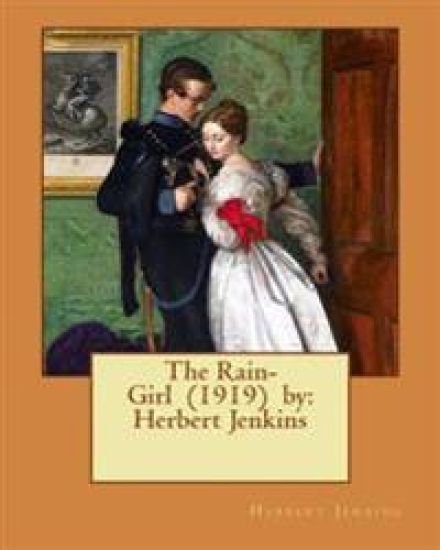
The Rain-Girl Richard Beresford has recently returned from the WW-I trenches. He feels he can't go back to his old life in the Foreign Office. Instead, he sells all his possessions (except his books), and sets off on a tramp through the countryside. On the very first day he meets a mysterious girl with enchanting grey eyes, sitting on a gate, in the rain. They inadvertently get separated before he finds out her name, but he is determined to find her again. Romantic comedy from 1919, by the author of "Patricia Brent, spinster". - Summary by Anna Simon.................. Herbert George Jenkins (1876 - 8 June 1923) was a British writer and the owner of the publishing company Herbert Jenkins Ltd, which published many of P. G. Wodehouse's novels. Biography: Jenkins' parents came from Norfolk and, according to his obituary in The Times, he was educated at Greyfriars College. He began work as a journalist and then spent some 11 years at The Bodley Head before founding his own publishing house in 1912. He remained unmarried and died at the age of 47, on 8 June 1923 after a six-month-long illness, in Marylebone, London. As a writer: Although Jenkins is best known for his light fiction, his first book was a biography of George Borrow. He was an admirer of the poet and visual artist William Blake and conducted research into his trial for high treason and the location of his lost grave, writing a book on him in 1925. His most popular fictional creation was Mr. Joseph Bindle, who first appeared in a humorous novel in 1916 and in a number of sequels. In the preface to the books, T. P. O'Connor said that "Bindle is the greatest Cockney that has come into being through the medium of literature since Dickens wrote Pickwick Papers".The stories are based on the comedic drama of life at work, at home and all the adventures that take place along the way. Jenkins also wrote a number of short stories about Detective Malcolm Sage, which were collected into one book in 1921. Sage has been compared to both Hercule Poirot and Sherlock Holmes in his style of detective work. Three of the Sage stories were included in Eugene Thwings 10-volume collection of vintage detective stories, The World's Best 100 Detective Stories (1929). As was the norm at the time, many of his fictional works appeared first in pulp magazines. Two of his novels and several of his short stories were made into short movies.
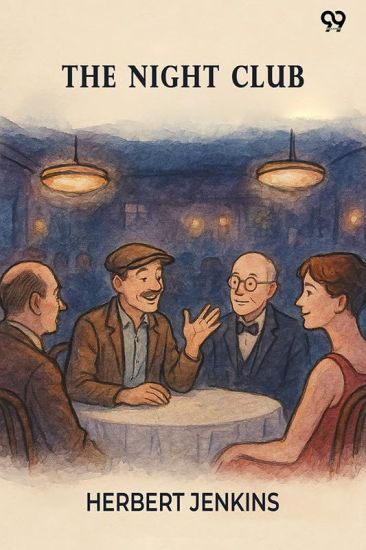
This work of fiction by Herbert Jenkins (1876-1923) features one of his best-loved comic characters, the affable Cockney, Joseph Bindle. It was Bindle who conceived the idea of forming "The Night Club," where people from different walks of London life would gather on Sunday evenings "for a smoke, a drink and a yarn" to socialize, reflect on their lives, and share tales and reminiscences. It was improbably chaired by Bindle and faithfully reported to us by a member of the club.
George Henry Borrow (5 July 1803 - 26 July 1881) was an English writer of novels and of travel books based on his own experiences in Europe. During his travels, he developed a close affinity with the Romani people of Europe, who figure prominently in his work. His best-known books are The Bible in Spain, the autobiographical Lavengro, and The Romany Rye, about his time with the English Romanichal (Gypsies). Early life: Borrow was born at East Dereham, Norfolk, the son of Army recruiting officer, Thomas Borrow (1758-1824)and farmer's daughter, Ann Perfrement (1772-1858). His father, a lieutenant with the West Norfolk Militia, was quartered at the prisoner-of-war camp at Norman Cross from July 1811 to April 1813 and George spent his ninth and tenth years in the barracks there. He was educated at the Royal High School of Edinburgh and Norwich Grammar School.Borrow studied law, but languages and literature became his main interests. In 1825, Borrow began his first major European journey, walking in France and Germany. Over the next few years he visited Russia, Portugal, Spain and Morocco, acquainting himself with the people and languages of the various countries he visited. After his marriage on 23 April 1840, he settled in Lowestoft, Suffolk, but continued to travel both inside and outside the UK................... Herbert George Jenkins (1876 - 8 June 1923) was a British writer and the owner of the publishing company Herbert Jenkins Ltd, which published many of P. G. Wodehouse's novels. Biography: Jenkins' parents came from Norfolk and, according to his obituary in The Times, he was educated at Greyfriars College. He began work as a journalist and then spent some 11 years at The Bodley Head before founding his own publishing house in 1912. He remained unmarried and died at the age of 47, on 8 June 1923 after a six-month-long illness, in Marylebone, London. As a writer: Although Jenkins is best known for his light fiction, his first book was a biography of George Borrow. He was an admirer of the poet and visual artist William Blake and conducted research into his trial for high treason and the location of his lost grave, writing a book on him in 1925. His most popular fictional creation was Mr. Joseph Bindle, who first appeared in a humorous novel in 1916 and in a number of sequels. In the preface to the books, T. P. O'Connor said that "Bindle is the greatest Cockney that has come into being through the medium of literature since Dickens wrote Pickwick Papers". The stories are based on the comedic drama of life at work, at home and all the adventures that take place along the way. Jenkins also wrote a number of short stories about Detective Malcolm Sage, which were collected into one book in 1921. Sage has been compared to both Hercule Poirot and Sherlock Holmes in his style of detective work. Three of the Sage stories were included in Eugene Thwings 10-volume collection of vintage detective stories, The World's Best 100 Detective Stories (1929). As was the norm at the time, many of his fictional works appeared first in pulp magazines. Two of his novels and several of his short stories were made into short movies.......................
Herbert George Jenkins (1876 - 8 June 1923) was a British writer and the owner of the publishing company Herbert Jenkins Ltd, which published many of P. G. Wodehouse's novels. Biography: Jenkins' parents came from Norfolk and, according to his obituary in The Times, he was educated at Greyfriars College. He began work as a journalist and then spent some 11 years at The Bodley Head before founding his own publishing house in 1912. He remained unmarried and died at the age of 47, on 8 June 1923 after a six-month-long illness, in Marylebone, London. In 1912 Jenkins founded his own publishing company: Herbert Jenkins Limited. Its offices were in a narrow, 19th-century building with five floors in Duke of York Street, just off Jermyn Street in London. It was a successful business from the start because of Jenkins' unique ability (at the time) to cater for the ever-changing public taste. He also had a good eye for new talent, not being discouraged if a manuscript had been rejected by other publishers. His publicity methods were innovative, too; with arresting advertisements and dust jackets, and a monthly publication called Wireless, which was widely circulated among his readers. Jenkins' first publication was Willie Riley's first novel Windyridge, and the firm went on to publish most of Riley's 39 books, ending with The Man and the Mountain in 1961, the year of his death. In 1915 Jenkins published A. S. Neill's first book, A Dominie's Log, launching his career as a famous teacher and writer of books on education. Herbert Jenkins Ltd published many of P. G. Wodehouse's novels, starting with Piccadilly Jim in 1918. By the 1950s-long after Jenkins' death-the company was still being run as a 1930s business might have been. In 1964 it merged with Barrie & Rockcliffe to form Barrie & Jenkins, which continued to publish Wodehouse's novels, but specialised in books about ceramics, pottery and antiques.In 1969 the company published the first of George MacDonald Fraser's popular The Flashman Papers novels after it had been rejected by many other publishers. Barrie & Jenkins had a short commercial history and was taken over by Hutchinson, who were themselves taken over by Century and then by Random House (now owned by Bertelsmann). It continues to exist as a specialist imprint mainly for hardback editions within the Random House stable.As a writer edit] Although Jenkins is best known for his light fiction, his first book was a biography of George Borrow. He was an admirer of the poet and visual artist William Blake and conducted research into his trial for high treason and the location of his lost grave, writing a book on him in 1925. His most popular fictional creation was Mr. Joseph Bindle, who first appeared in a humorous novel in 1916 and in a number of sequels. In the preface to the books, T. P. O'Connor said that "Bindle is the greatest Cockney that has come into being through the medium of literature since Dickens wrote Pickwick Papers". The stories are based on the comedic drama of life at work, at home and all the adventures that take place along the way. Jenkins also wrote a number of short stories about Detective Malcolm Sage, which were collected into one book in 1921. Sage has been compared to both Hercule Poirot and Sherlock Holmes in his style of detective work. Three of the Sage stories were included in Eugene Thwings 10-volume collection of vintage detective stories, The World's Best 100 Detective Stories (1929). As was the norm at the time, many of his fictional works appeared first in pulp magazines. Two of his novels and several of his short stories were made into short movies...............
The Rain-Girl Richard Beresford has recently returned from the WW-I trenches. He feels he can't go back to his old life in the Foreign Office. Instead, he sells all his possessions (except his books), and sets off on a tramp through the countryside. On the very first day he meets a mysterious girl with enchanting grey eyes, sitting on a gate, in the rain. They inadvertently get separated before he finds out her name, but he is determined to find her again. Romantic comedy from 1919, by the author of "Patricia Brent, spinster". - Summary by Anna Simon
"Malcolm Sage had been a hot-shot intelligence agent for Britain's Division Z during the Great War, but when the fighting ceased, his thirst for action and adventure didn't. Fortunately, his old chief from division Z helped him set up the Malcolm Sage Detective Bureau, and much merry mayhem and more than a few ripping good yarns ensued." -- Thrilling Detective