Kirjojen hintavertailu. Mukana 12 595 353 kirjaa ja 12 kauppaa.
Kirjailija
Herman Bakvis
Kirjat ja teokset yhdessä paikassa: 4 kirjaa, julkaisuja vuosilta 1981-2019, suosituimpien joukossa From New Public Management to New Political Governance. Vertaile teosten hintoja ja tarkista saatavuus suomalaisista kirjakaupoista.
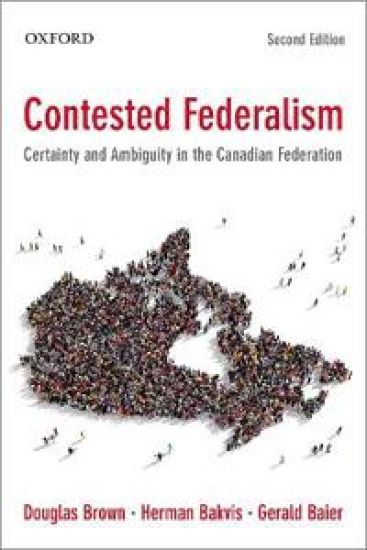
The most comprehensive and critical look at Canadian federalism This restructured and thoroughly updated exploration of Canadian federalism explores the tensions and conflicts within Canada's governance system and the adaptations required for federalism to work. Focusing on three areas - basic federal and intergovernmental structure; the constitutional and institutional framework of the federation; and federal governance - this text is an engaging and balanced treatment of federalism in Canada.
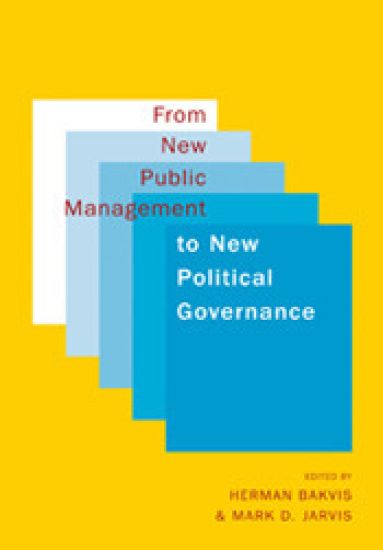
With the direct participation of partisan political staff in governance, the onset of permanent election campaigns heavily dependent on negative advertising, and the expectation that the public service will not only merely implement but enthusiastically support the agenda of the elected government, we are experiencing a new form of political governance. The late Peter Aucoin (1943-2011) has argued that traditional norms of impartial loyalty have been displaced by partisanship on the part of civil servants and that the political executive is keen on directly controlling all aspects of communication and interaction between government and citizens. The arrival of "New Political Governance" has a direct bearing on the long-standing tension between the need of ensuring democratic control over bureaucracy, while also allowing the public service sufficient flexibility to exercise discretion, judgment, and professional expertise when implementing and managing programs. Through a series of essays using Aucoin's "New Political Governance" framework, leading scholars in the field address the manner in which this tension and its conflicts have played out over the past decade in different domains. Contributors examine themes including accountability, democracy, public management and reform, the paradoxes of electoral democracy, and the dilemmas of democratic governance. Contributors include: Mark Jarvis (University of Victoria), Herman Bakvis (University of Victoria), B. Guy Peters (University of Pittsburg), Donald Savoie (Universite de Moncton), Allan Tupper (University of British Columbia), Lori Turnbull (Dalhousie), David E. Smith (University of Saskatchewan), C.E.S. Franks (Queen's), R. Kenneth Carty (University of British Columbia), Lisa Young (University of Calgary), Jennifer Smith (Dalhousie), Gerald Baier (University of British Columbia), Fred Fletcher (York University), Andre Blais (Universite de Montreal), Evert Lindquist (University of Victoria), Ken Rasmussen (University of Regina), Jonathan Boston (Victoria University), John Halligan (University of Canberra), Grace Skogstad (University of Toronto), Jenn Wallner (University of Ottawa), Cosmo Howard (University of Victoria), Susan Phillips (Carleton University), Paul Thomas (University of Manitoba), Ralph Heintzman (University of Ottawa), Luc Juillet (University of Ottawa), G. Bruce Doern (Carleton), Kenneth Kernaghan (Brock).
With the direct participation of partisan political staff in governance, the onset of permanent election campaigns heavily dependent on negative advertising, and the expectation that the public service will not only merely implement but enthusiastically support the agenda of the elected government, we are experiencing a new form of political governance. The late Peter Aucoin (1943-2011) has argued that traditional norms of impartial loyalty have been displaced by partisanship on the part of civil servants and that the political executive is keen on directly controlling all aspects of communication and interaction between government and citizens. The arrival of "New Political Governance" has a direct bearing on the long-standing tension between the need of ensuring democratic control over bureaucracy, while also allowing the public service sufficient flexibility to exercise discretion, judgment, and professional expertise when implementing and managing programs. Through a series of essays using Aucoin's "New Political Governance" framework, leading scholars in the field address the manner in which this tension and its conflicts have played out over the past decade in different domains. Contributors examine themes including accountability, democracy, public management and reform, the paradoxes of electoral democracy, and the dilemmas of democratic governance. Contributors include: Mark Jarvis (University of Victoria), Herman Bakvis (University of Victoria), B. Guy Peters (University of Pittsburg), Donald Savoie (Universite de Moncton), Allan Tupper (University of British Columbia), Lori Turnbull (Dalhousie), David E. Smith (University of Saskatchewan), C.E.S. Franks (Queen's), R. Kenneth Carty (University of British Columbia), Lisa Young (University of Calgary), Jennifer Smith (Dalhousie), Gerald Baier (University of British Columbia), Fred Fletcher (York University), Andre Blais (Universite de Montreal), Evert Lindquist (University of Victoria), Ken Rasmussen (University of Regina), Jonathan Boston (Victoria University), John Halligan (University of Canberra), Grace Skogstad (University of Toronto), Jenn Wallner (University of Ottawa), Cosmo Howard (University of Victoria), Susan Phillips (Carleton University), Paul Thomas (University of Manitoba), Ralph Heintzman (University of Ottawa), Luc Juillet (University of Ottawa), G. Bruce Doern (Carleton), Kenneth Kernaghan (Brock).
This book examines the role of the Dutch Catholic church, and especially of the bishops, in ensuring the solidarity of the Catholic subculture for so many years and, more remarkably, in promoting drastic social and political changes after Vatican II. This development transformed one of the most orthodox churches in Western Europe into the most radical and, as Professor Bakvis demonstrates, led to the decline and fall of the largest political party in the Netherlands. The author also discusses the recent formulation of the Christian Democratic party and the impact of John Paul II's pontificate. He has drawn upon interviews with priests and politicians, as well as survey and ecological data, in his portrayal of life inside the Catholic subculture at both the grass-roots and the elite levels. The result is a substantial contribution to our understanding of the interaction of religion and politics in a plural society and the sources of party loyalty and subcultural cohesion.